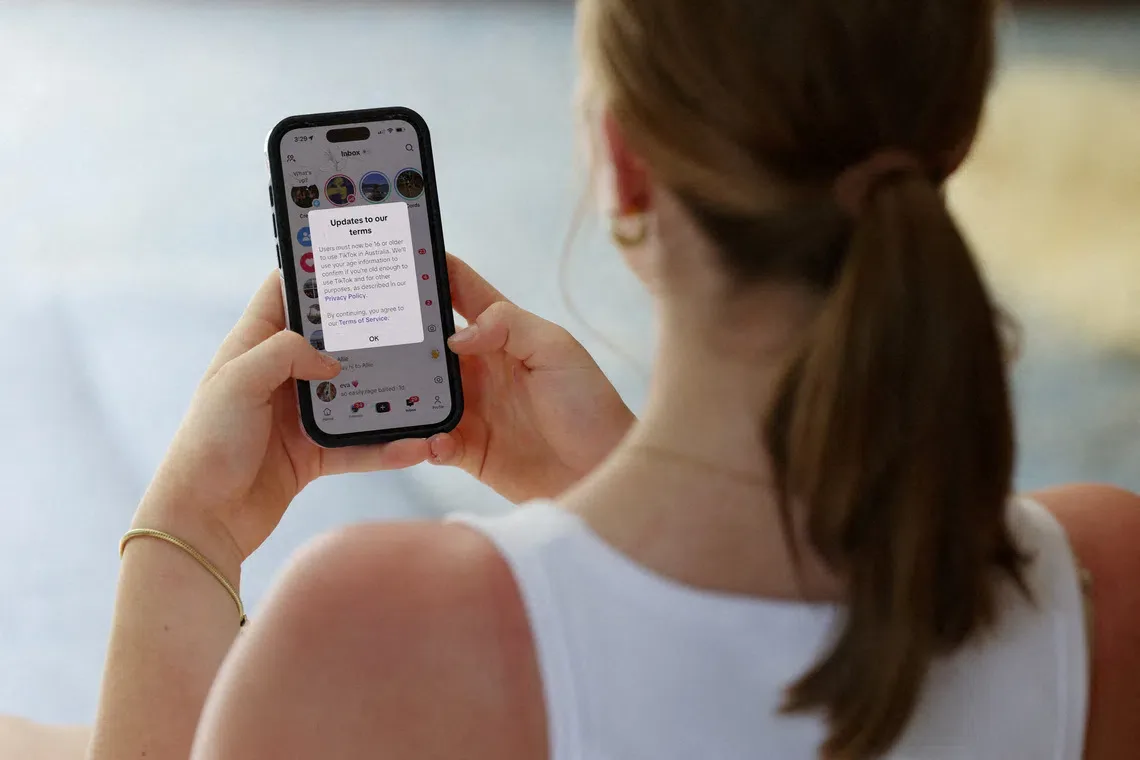
Australia introduced a ban on social media use by children under 16 that came into effect on December 10, 2025, aimed at protecting minors' mental and physical health [1, 2, 3]. Three months later, over 80% of Australian teenagers under 16 continued using social media with little reduction in frequency [1, 2, 3].
A study involving over 4,000 children and families found that while ownership of social media accounts among minors dropped from 52% to 42%, 58% still admitted to daily or frequent use of these platforms [1]. The primary reason for continued access was social media companies failing to implement effective age verification measures. Roughly half of minors who retained accounts reported that no age check was done; many simply misrepresented their age as 16 or older to bypass restrictions [1, 3].
Parental awareness of children’s social media activity also declined after the ban, raising concerns about a reduced ability for early intervention against online harms [1, 3]. Despite millions of accounts being shut down, authorities did not expect full compliance. Assistant Minister Andrew Leigh compared the ban to minimum drinking age laws, stating, "We never expected that this would have 100 per cent compliance. We don’t get 100 per cent compliance out of minimum drinking age laws, but it’s still appropriate that we have that law on the books" [2].
The eSafety Commission reported that many minors who had social media accounts before the ban either kept them active or created new ones after its implementation, attributing ongoing access mainly to platforms’ failures in enforcing age verification [1]. The ban is the first of its kind globally and has attracted attention from other countries considering similar measures [1, 3].
On August 1, Assistant Minister Leigh publicly defended the ban’s role in shifting parental attitudes towards children's online safety [2]. On July 31, Australia’s internet regulator eSafety released a study highlighting low compliance and challenges in enforcing the ban [1, 3].
Authorities continue monitoring enforcement and platform compliance as the ban moves past its initial six-month phase.