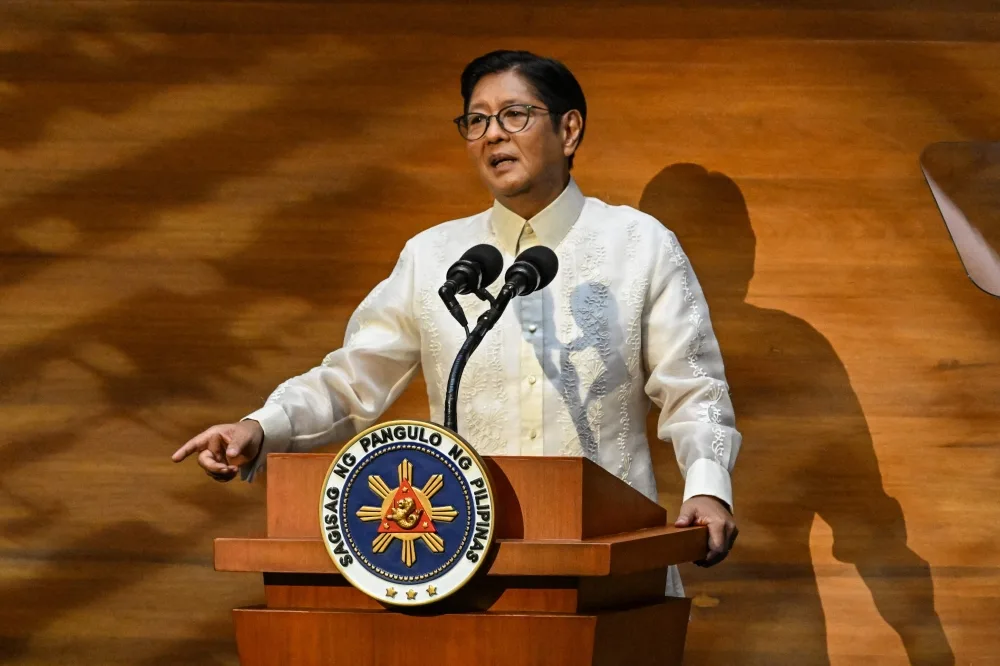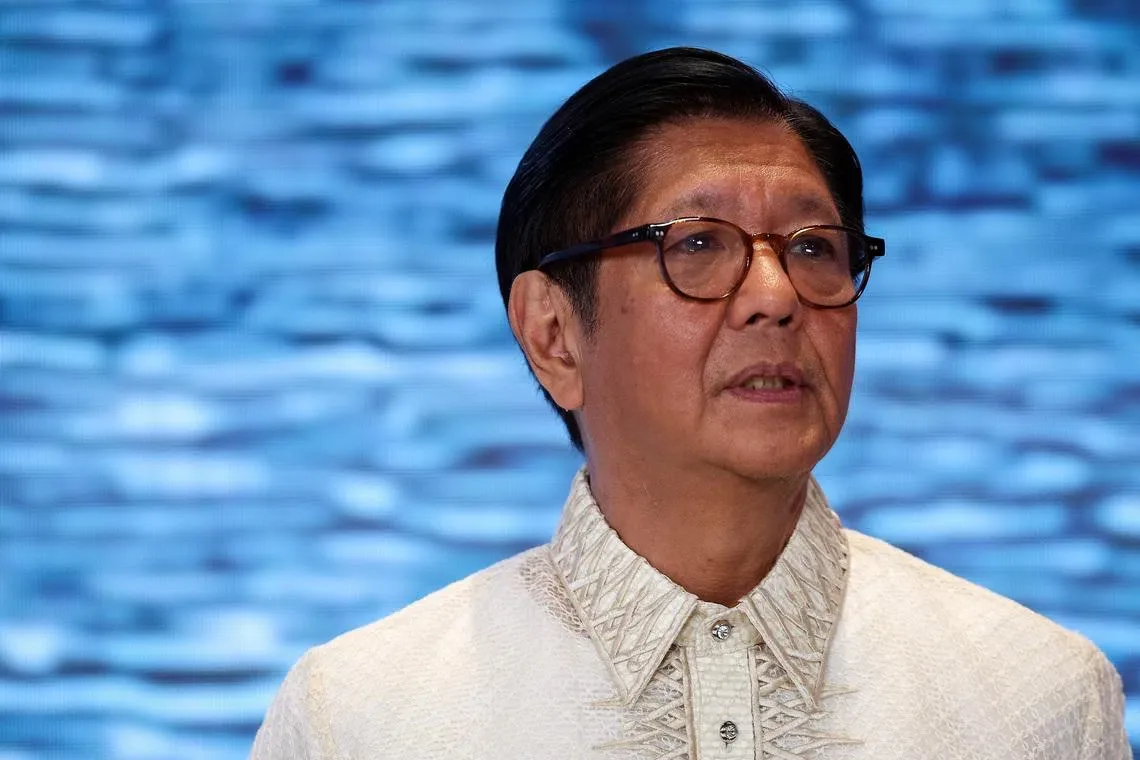
Philippine President Ferdinand Marcos Jr declared a national energy emergency in 2026 as the country faces soaring electricity costs caused partly by geopolitical disruptions and fuel supply issues [1, 2, 3, 4, 5].
On July 27, in a nationally televised joint session of Congress, Marcos suggested it may be time to revisit nuclear energy production to ease the power crisis. "Perhaps it is time for us to revisit nuclear energy production. We will ensure it is safe. We will ensure the good benefits of nuclear energy will be explained properly to the public," Marcos said, emphasizing safety and public transparency [1, 2, 3, 4, 5].
The Philippines’ only nuclear power plant, the Bataan Nuclear Power Plant, was built in the 1980s but never operated due to corruption scandals and safety concerns. Current discussions aim to overcome past issues and potentially bring the plant online, or build new facilities [1, 2, 3, 4, 5].
The government has held exploratory talks on nuclear power with Japan, France, Russia, and the United States, aiming to leverage international expertise. In May 2024, Manila and Washington agreed on a program to train Filipino workers to build and operate nuclear plants, to boost local skills for a clean energy sector. U.S. diplomat Daniel Kritenbrink highlighted the deal would provide "the skilled workforce needed to build a clean energy infrastructure, including the ability to operate state-of-the-art nuclear power plants" [1, 2, 3, 4, 5].
Energy Secretary Sharon Garin said in March 2026 that the Philippines planned to increase coal-fired power output due to fuel shortages caused by the Middle East war disrupting shipments. This measure aimed to mitigate surging electricity prices until longer-term solutions are implemented [1, 2, 4, 5].
Carlo Arcilla, former director of the Philippine Nuclear Research Institute, called nuclear energy a "no-brainer" fix for the country’s frequent brownouts and insufficient renewable capacity. He noted hydro and geothermal power are inadequate, especially in the Visayas region with its population of more than 20 million people. "I hope the president follows this up with concrete action," Arcilla said [2, 4].
Amid the energy debate, Marcos announced income tax exemptions for middle-class earners up to 350,000 pesos for 2026 as part of broader economic measures [2, 4]. Protests involving about 3,000 people occurred near the House of Representatives at the time of the address, linked to flooding control corruption scandals [4].
President Marcos’s call to revisit nuclear energy marks a renewed push to reform the country’s power sector. The government’s next step will involve advancing feasibility studies and public consultation on nuclear options as it aims to stabilize electricity costs.