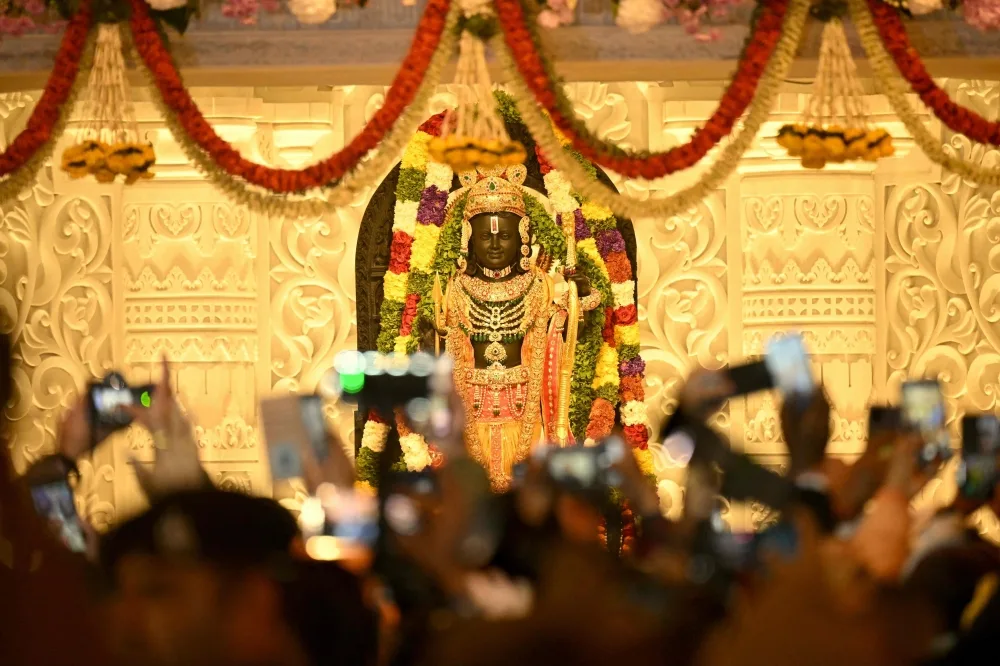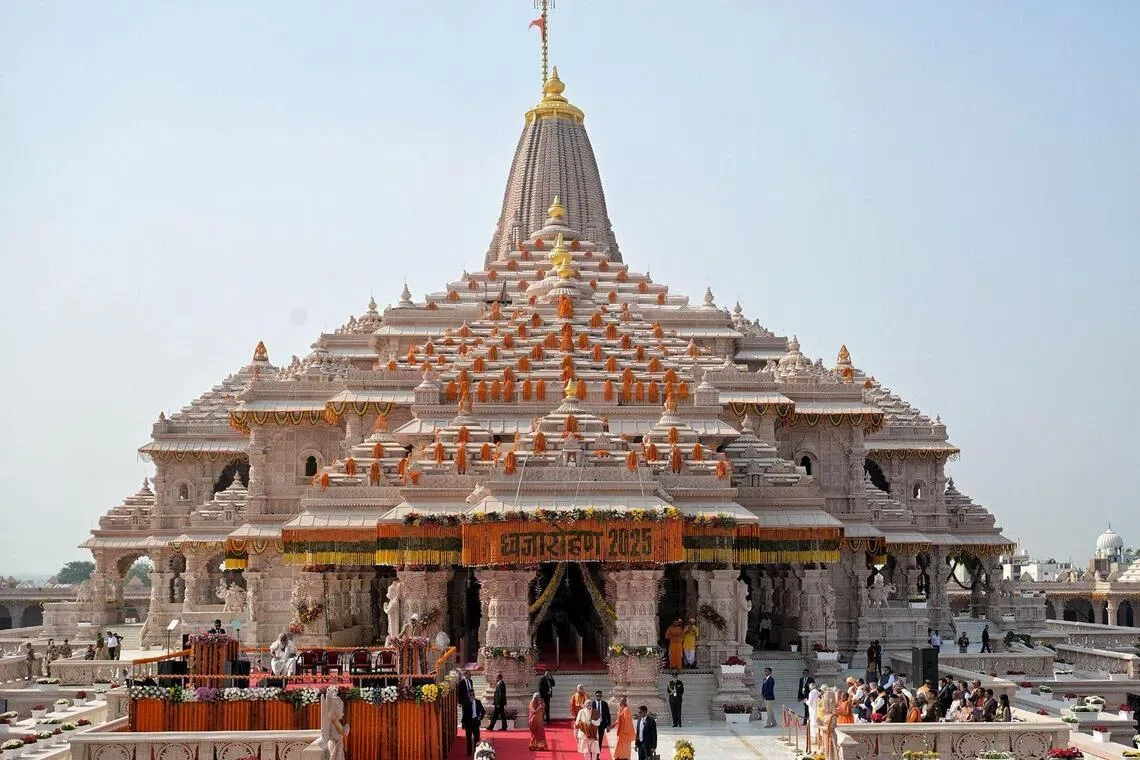
Police launched an investigation in June 2026 into stolen donations at the Ram temple in Ayodhya and arrested eight people responsible for managing the donations [1, 2, 3, 4]. Authorities have not officially disclosed the theft amount. Media reports estimate around 30 million rupees (approximately S$402,000 or RM1.3 million) were stolen [1, 2, 3, 4].
The Ram temple, inaugurated in 2024 by Indian Prime Minister Narendra Modi, attracts about 90,000 visitors daily [1, 2, 3, 4]. Devotees contribute cash, gold, and silver ornaments, generating a steady flow of offerings [1, 2, 3, 4].
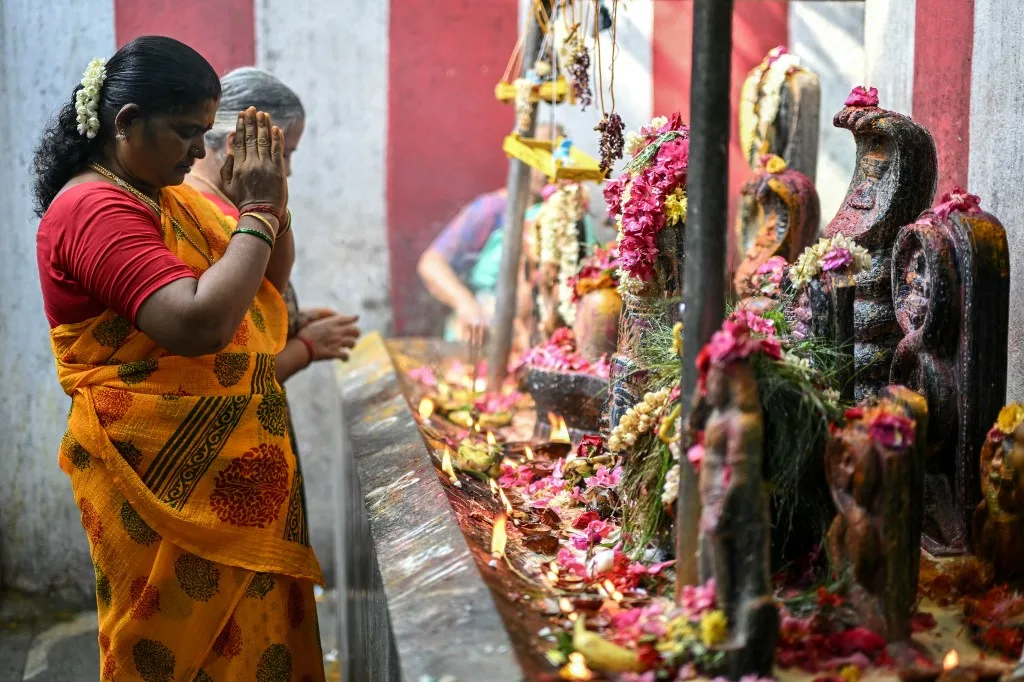
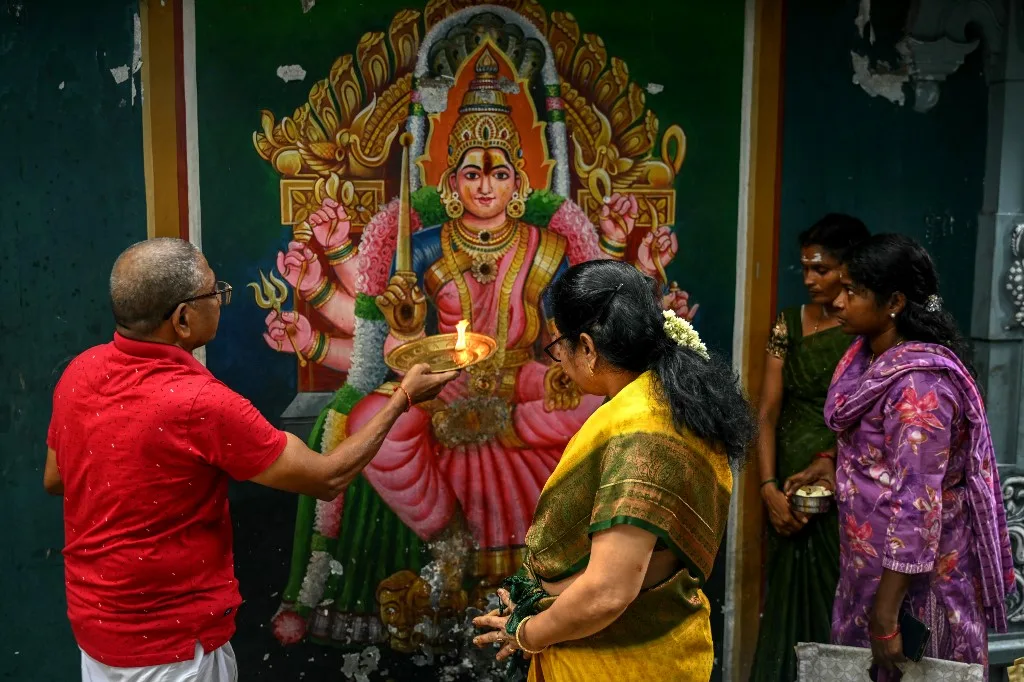
Hindu activist Rahul Easwar told reporters the root issue behind the scandal is "the lack of transparency and accountability," citing weak controls such as poor donation counting and surveillance gaps exploited by the accused [1, 2, 3, 4]. Devotees expressed their frustration. Ashok Prasad Kushwaha said, "When we donate, we believe the money is going for God’s work. Now if that hard-earned money gets stolen from a place like a temple, it feels like personal loss" [1].
The Ram temple site holds deep religious significance due to a long-running dispute over the Babri mosque, which Hindus believe was built over Lord Ram's birthplace more than 7,000 years ago [1, 2, 3, 4]. The land dispute ended in 2019 when India's Supreme Court ruled the site could be used for temple construction, sparking a fundraising campaign that reportedly raised about US$341 million [4].
Donation-related controversies are not isolated to Ayodhya. Other major pilgrimage sites, including the Badrinath shrine and Tirumala Tirupati Devasthanams trust, face similar issues despite managing assets estimated at US$31 billion [1, 2, 3, 4].
Experts note India's religious institutions handle vast sums of money at a scale comparable to major corporations, posing a challenge for financial transparency. KS Legal & Associates managing partner Chandwani said, “目前没有统一的国家框架来规定所有宗教机构财务透明度的统一标准” (There is currently no unified national framework for standardizing financial transparency across all religious institutions) [4]. Political analyst Narayudu added, “宗教机构的规模早已远远超出传统的礼拜场所。它们需要具有财务控制和独立监督的制度体系。” (Religious institutions have far outgrown traditional places of worship. They need financial controls and independent oversight systems) [4].
Consultancy IMARC estimates India’s religious and spiritual market was worth US$70.14 billion in 2025 and projects growth to US$135.41 billion by 2034 [4]. Political analysts have stressed that temples must develop financial controls and independent oversight comparable to those in large public institutions to prevent further abuse [4].