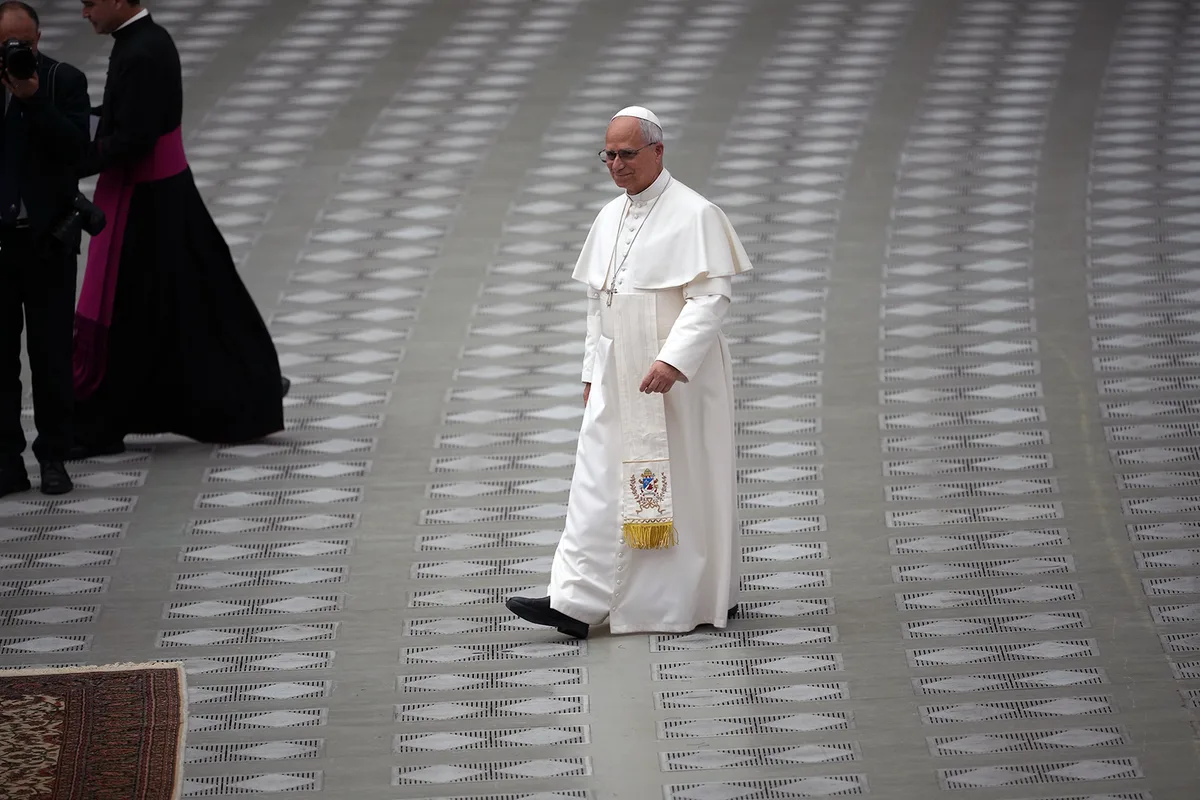
Pope Leo XIV published his first encyclical, 'Magnifica Humanitas' (Magnificent Humanity), on May 25, 2026, at the Vatican, addressing the ethical and social challenges posed by artificial intelligence (AI) [1, 2, 3, 4, 5, 6, 7]. He signed the 42,300-word document on May 15, exactly 135 years after Pope Leo XIII issued the 1891 encyclical 'Rerum Novarum' on the Industrial Revolution, linking his message to the Church’s tradition of social teaching [1, 3, 5].
The American pope, elected in 2025 and the first from the United States, chose his name to reference Leo XIII’s social doctrine [1, 2, 8]. In the encyclical, he calls for “disarming” AI to prevent it from dominating humanity and cautions against using AI for military, geopolitical, or commercial dominance [2, 4, 9, 10, 5, 11, 7]. He said, “To disarm means discrediting the assumption that technical power automatically confers the right to govern. To disarm does not mean rejecting technology, but preventing it from dominating humanity” [2].
Pope Leo criticized the concentration of AI power in the hands of powerful companies and elites, warning it could amplify inequality and undermine democracy [4, 9, 5, 7]. He condemned autonomous AI weapons, declaring, “No algorithm can make war morally acceptable” [2, 10, 11]. He described AI as fundamentally different from humans, lacking consciousness, emotion, or lived experience despite its computational power [3].
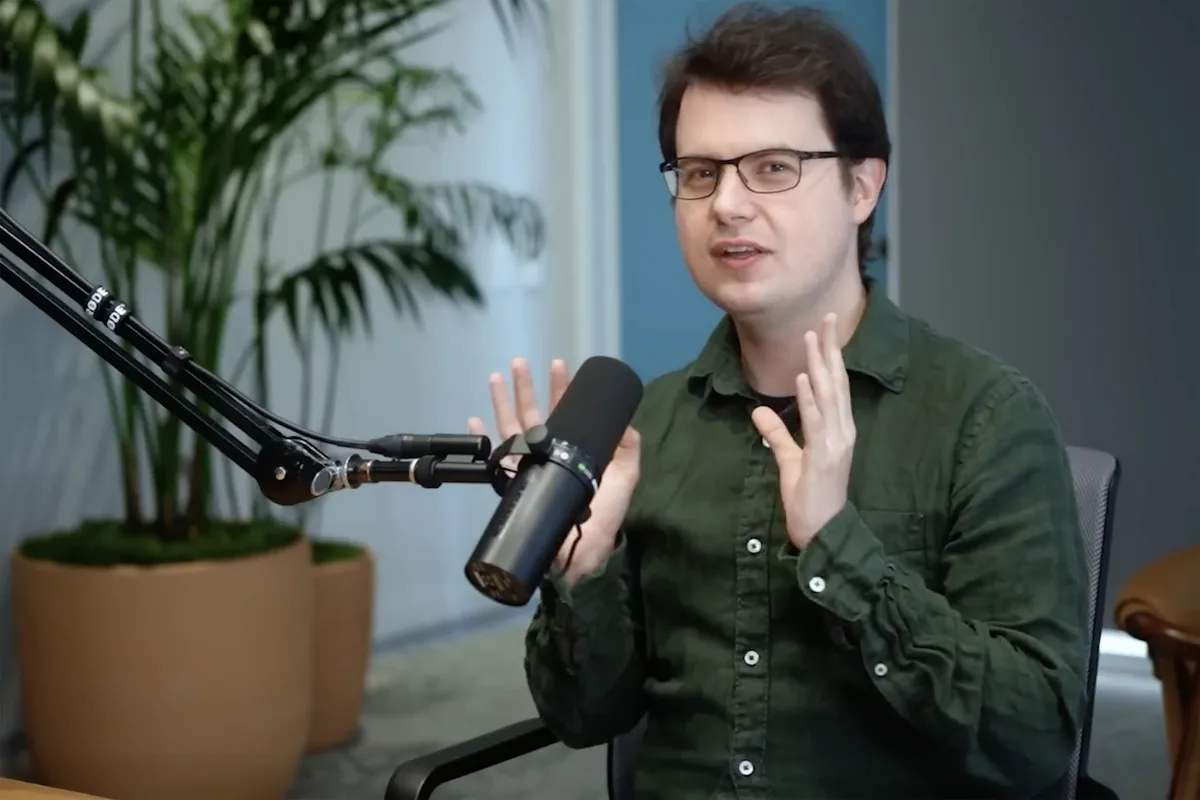
The encyclical urges broad participation from individuals and communities to shape the future of AI and its regulation globally [4, 5, 7]. The pope presented the document alongside Anthropic co-founder Christopher Olah, who remarked, “If this technology is coming, it must go well—for our common home, and for the children to come” [9, 12, 6, 7].
The Vatican’s call has drawn praise, with US Vice-President J.D. Vance calling it “very profound, and the sort of thing that you would expect and hope from a leader of the church” [8]. The encyclical addresses an estimated 1.4 billion Catholics worldwide and comes as the AI market is projected to reach $4.8 trillion by 2033 [2, 3, 4, 6, 11].
Pope Leo XIV’s encyclical marks a 21st-century aggiornamento of Catholic social teaching, adapting it for issues of AI similar to how Leo XIII addressed the Industrial Revolution. The Vatican plans further discussions on AI ethics and policy involving religious, scientific, and political leaders.