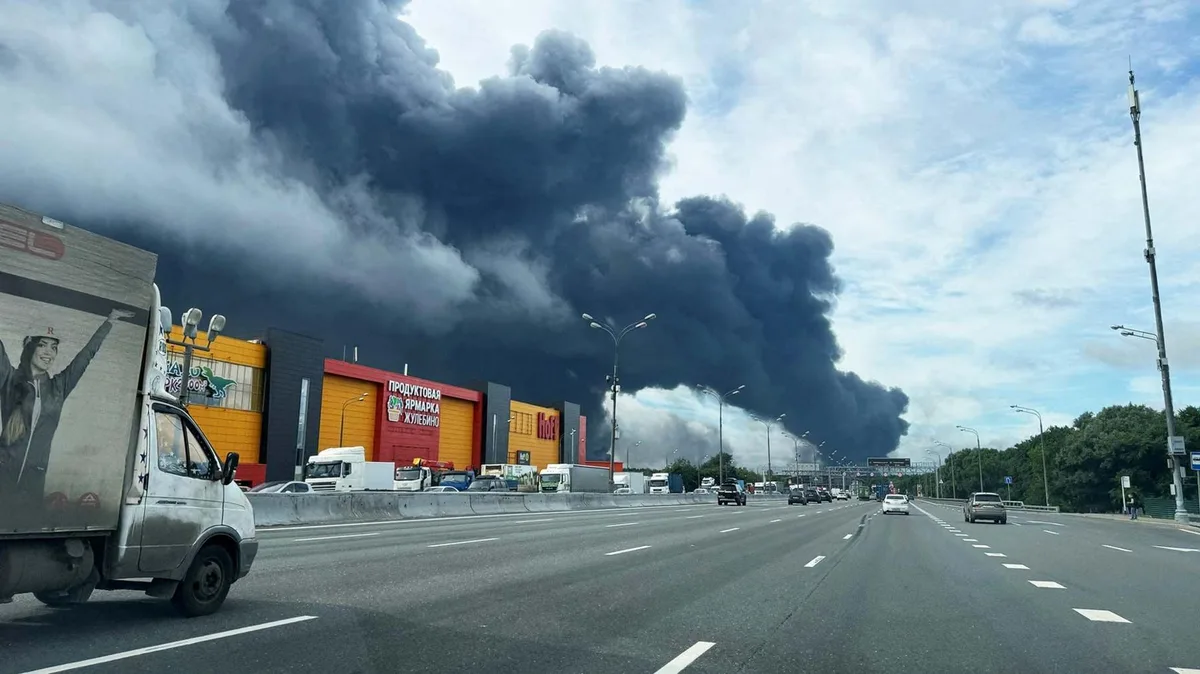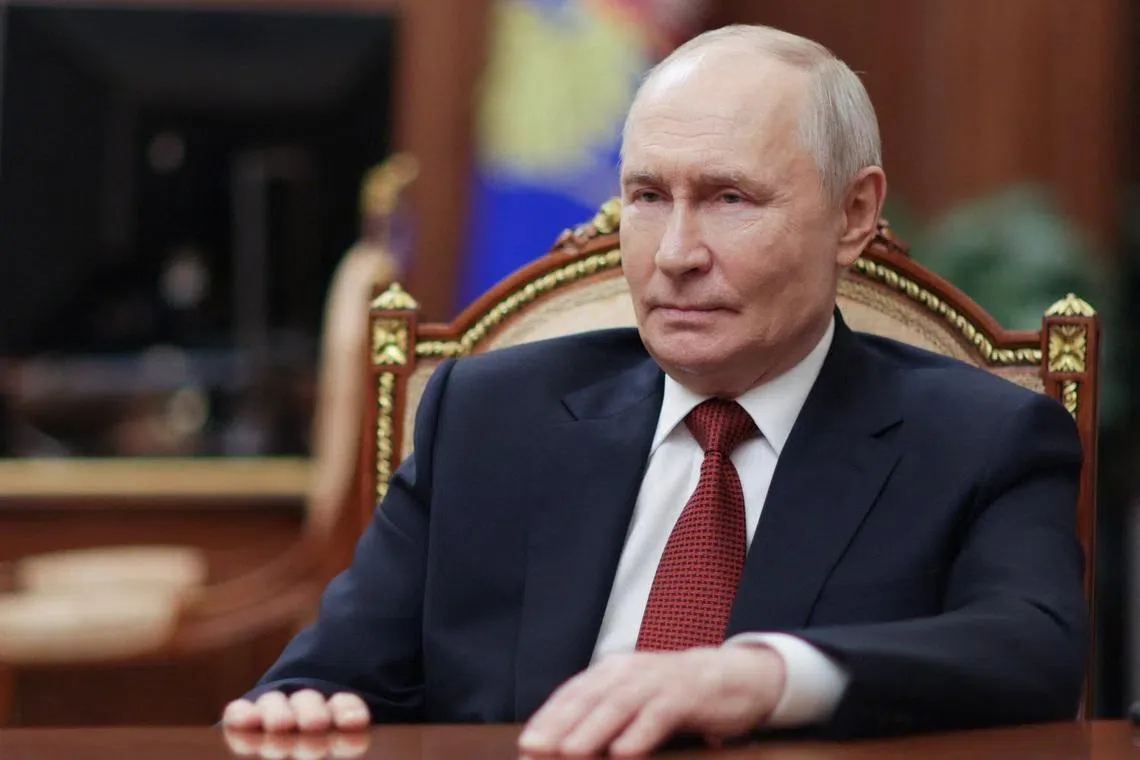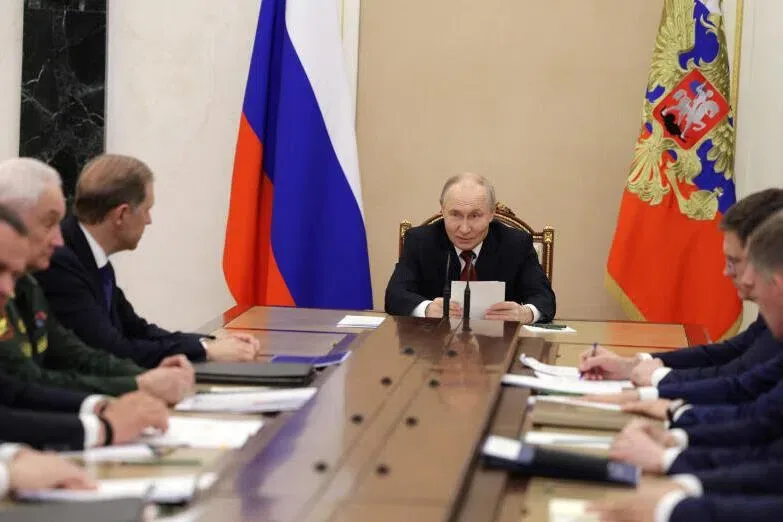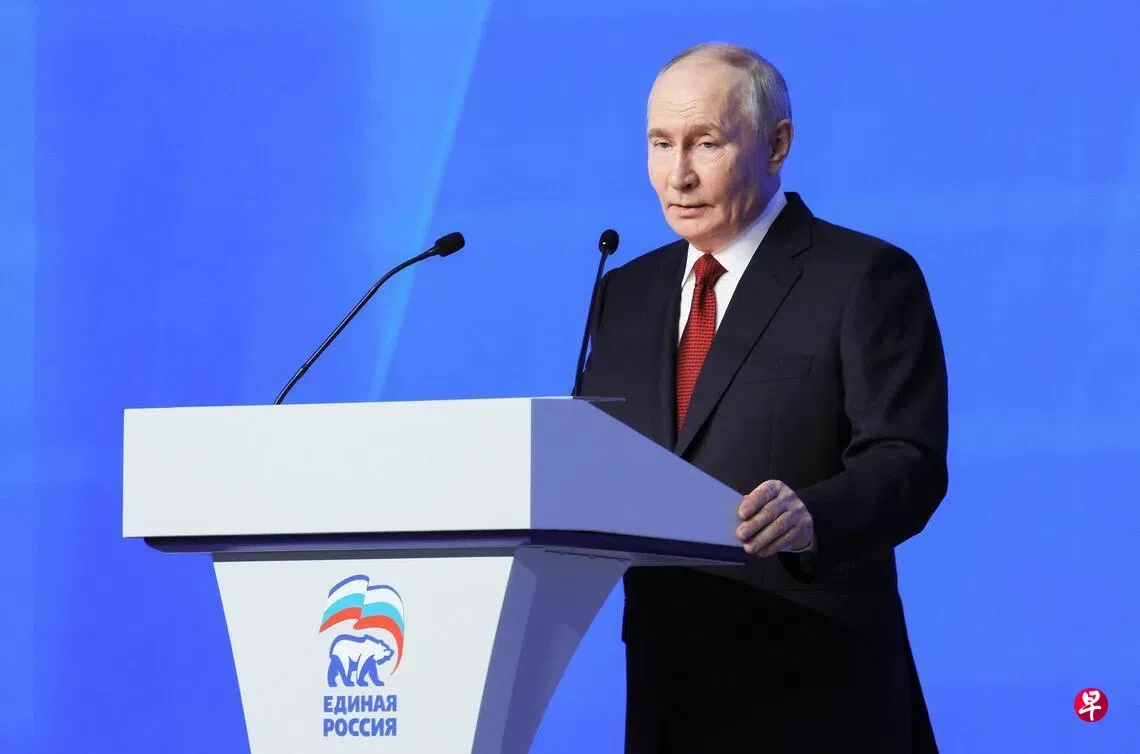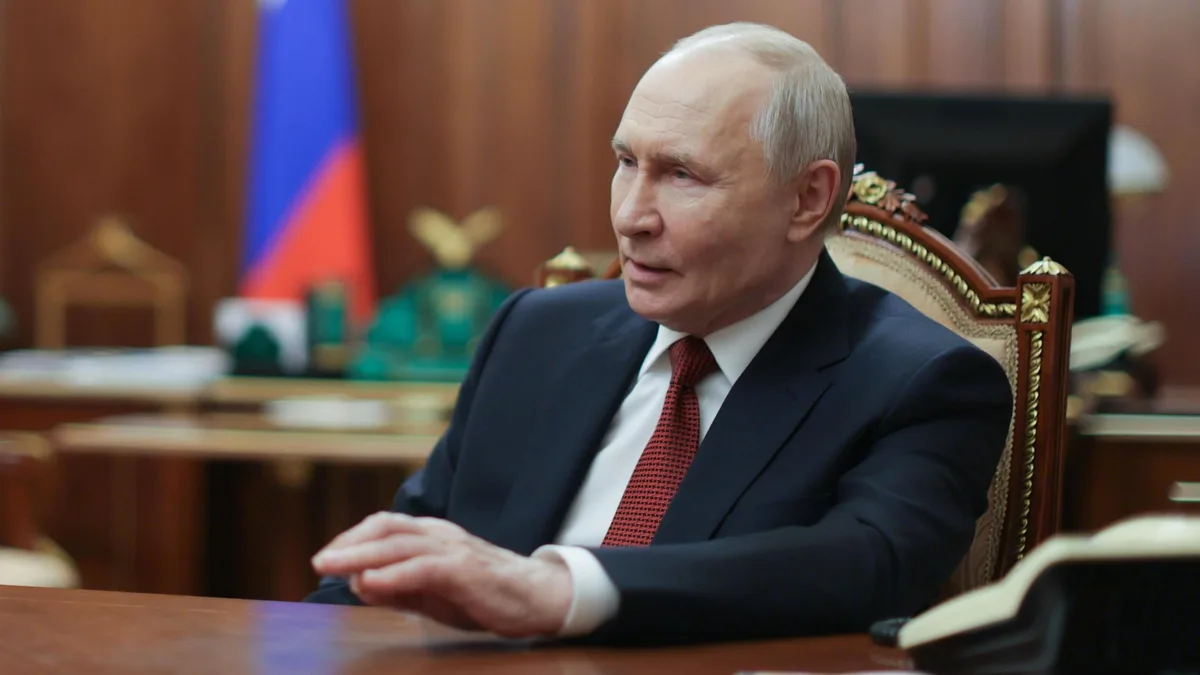
Russian President Vladimir Putin publicly acknowledged on June 28, 2026, that Russia faces "a certain shortage" of fuel caused by persistent Ukrainian missile and drone strikes on its energy infrastructure across the country, including areas far from the front lines like Crimea and interior regions [1, 2, 3, 4, 5, 6, 7].
Putin said, "You’re well aware that problems persist for both motorists and businesses. Unfortunately, there are still queues at petrol stations, and finding the right grade of petrol isn’t always easy" [1]. He confirmed the strikes have disrupted Russian oil refineries, storage, and logistics chains, while adding, "Right now we’re observing a certain shortage, but it’s not critical" [2, 3]. The president pledged accelerated repair efforts and enhanced air defenses to protect energy facilities from Ukrainian drone attacks [1, 2, 3, 8, 4, 5, 6, 9].
Fuel shortages have caused visible rationing and restrictions across dozens of Russian regions, with estimates ranging from 40 to 78 areas affected [1, 5, 10, 6, 7]. Russian-annexed Crimea has been especially hard hit and declared an emergency on June 26 due to fuel shortages and power outages linked to Ukrainian attacks on local oil and power infrastructure [1, 2, 3, 4, 7].
Ukraine has intensified its drone strikes using improved capabilities, targeting oil refineries and facilities as far as 300 kilometers (Krasnodar) and 700 kilometers (Yaroslavl) from the frontline, severely disrupting Russia’s energy production and military logistics along the 1,250-kilometer Russia-Ukraine frontline [2, 3, 4, 5, 11, 6, 9, 7]. Ukrainian President Volodymyr Zelenskyy said, "The Slavyansk oil refinery in the Krasnodar region was hit – about 300 kilometres from the frontline. We also reached a refinery in the Yaroslavl region, approximately 700 kilometres from our border" [4]. He added that each strike reduces "resources serving Russia’s war machine" [6].
Putin rejected Ukrainian proposals to limit long-range strikes, accusing Kyiv of trying to ease pressure on its forces while stressing the strategic importance of Russia’s counterstrikes into Ukraine [8, 12, 9]. He stated, "It is clear why this proposal is being made, because our counterstrikes deep into Ukrainian territory are much stronger, have greater impact and are, frankly, more destructive" [9].
Russian authorities are reportedly considering a ban on diesel exports to manage domestic fuel supplies, though details remain unclear [10, 6]. Current daily gasoline production stands at about 85,000 metric tons, below summer demand of 110,000 metric tons, with remaining reserves estimated at 1.7 million metric tons [5, 10].
On June 28, a Ukrainian drone strike killed one person and caused fires at a refinery in Russia’s Krasnodar region [2, 3, 4, 6, 9].
Putin vowed resilience against the attacks, stating, "We will undoubtedly overcome all the challenges facing us today, including terrorist attacks on our territory and infrastructure facilities" [4]. Efforts to fortify air defenses and accelerate repairs are ongoing to limit the impact on key sectors such as agriculture [1, 2, 3, 4, 5, 6].