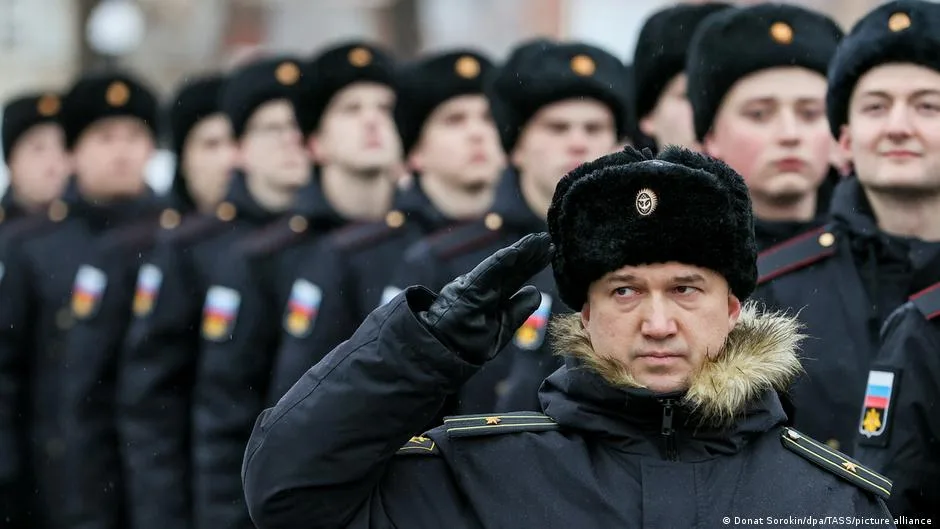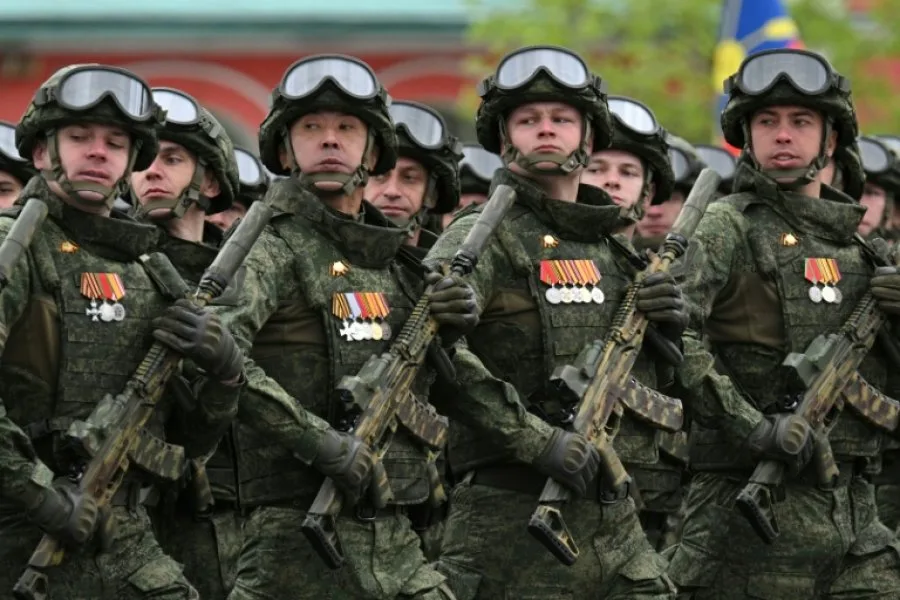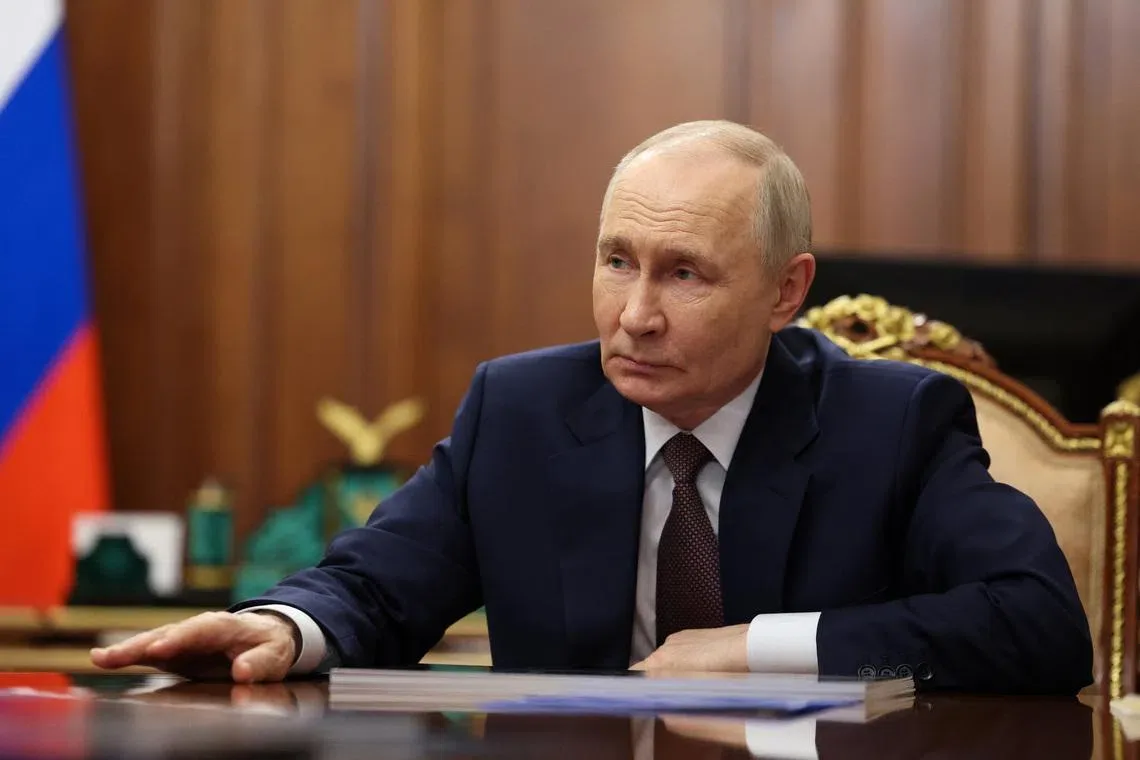
Russian President Vladimir Putin signed a decree on May 26, 2026, granting debt relief up to 10 million rubles to new military recruits who signed contracts from May 1 onward and to their spouses [1, 2, 3]. The relief covers debts with legal claims registered before May 1 and applies to contracts committing recruits to at least one year of service in the so-called "special military operation" in Ukraine [1, 2, 3].
Ten million rubles is roughly equivalent to $139,000, about the cost of a 35-square-meter studio apartment in Moscow [1, 2]. This financial gesture adds to existing benefits for Russian fighters, such as preferential university admissions and other financial incentives [1, 2, 3].
Putin also extended rental rights for state-owned land indefinitely for those serving in Ukraine, further supporting personnel engaged in the conflict [1]. The decree reflects a continued mobilization with Russia prioritizing its military effort over other economic sectors for more than four years [1, 2, 3].
Separately, a new Russian law now permits military deployments abroad to protect Russian citizens facing legal challenges in other countries [2]. Andrey Kartapolov, head of the Russian parliament’s defense committee, said the legislation would allow Moscow to intervene militarily in third countries "where the liberty of Russian citizens is threatened by judicial processes or arrests conducted without Russia's permission or outside international law" [2].
This law may justify interventions such as the recent case of Russian architect Alexander Butyagin, who was arrested in Poland in December 2025 at Kyiv’s request and later released in April 2026 as part of a prisoner exchange [2].
The debt relief decree took effect immediately on May 26, 2026, aiming to encourage enlistment as Russia continues its war effort in Ukraine [1, 2, 3].