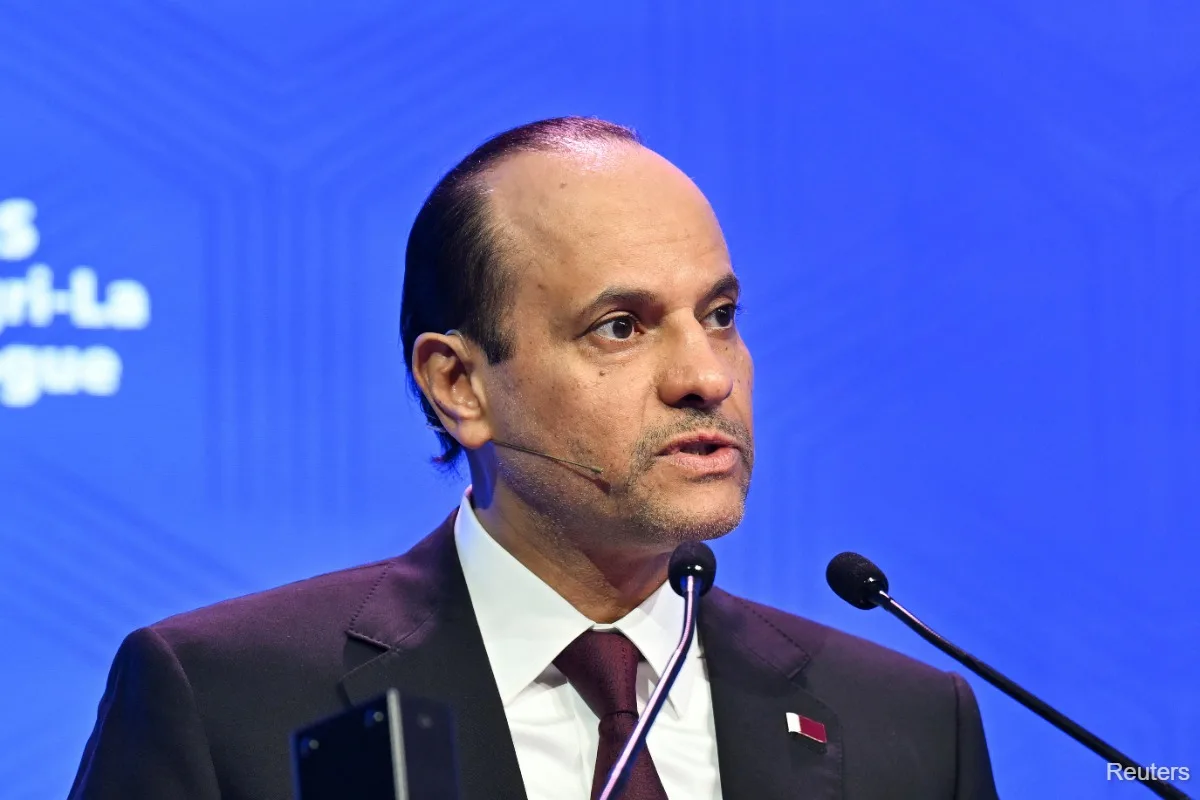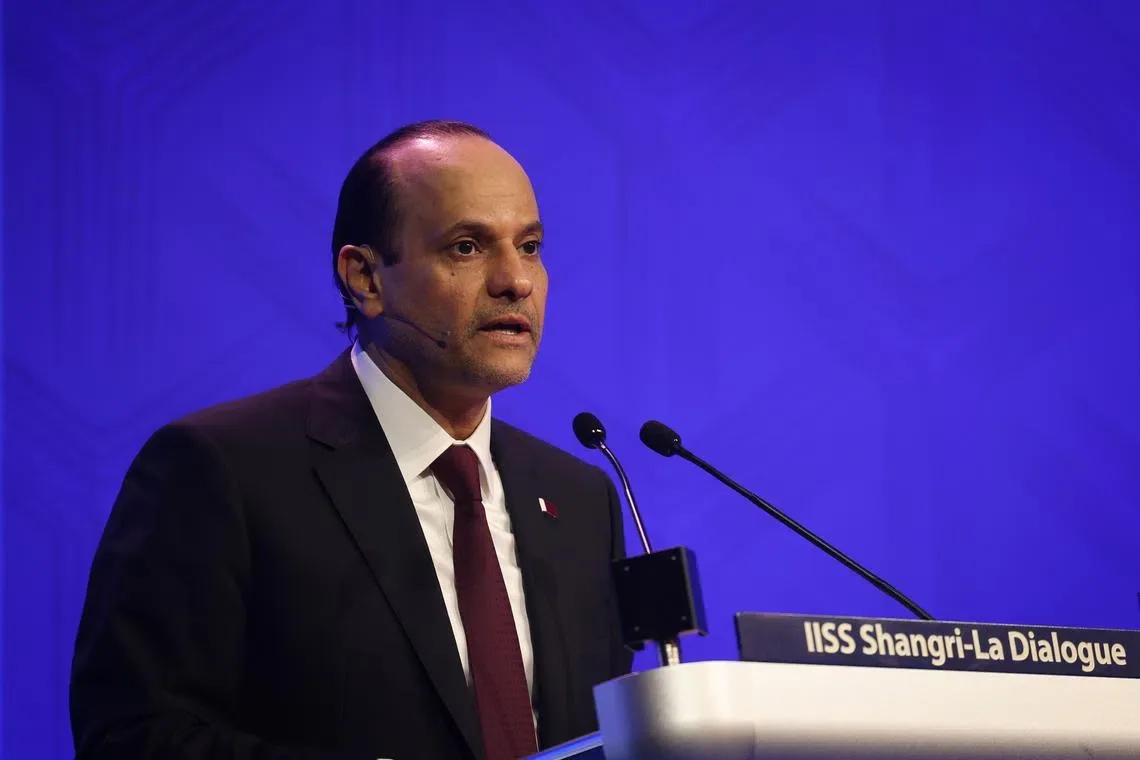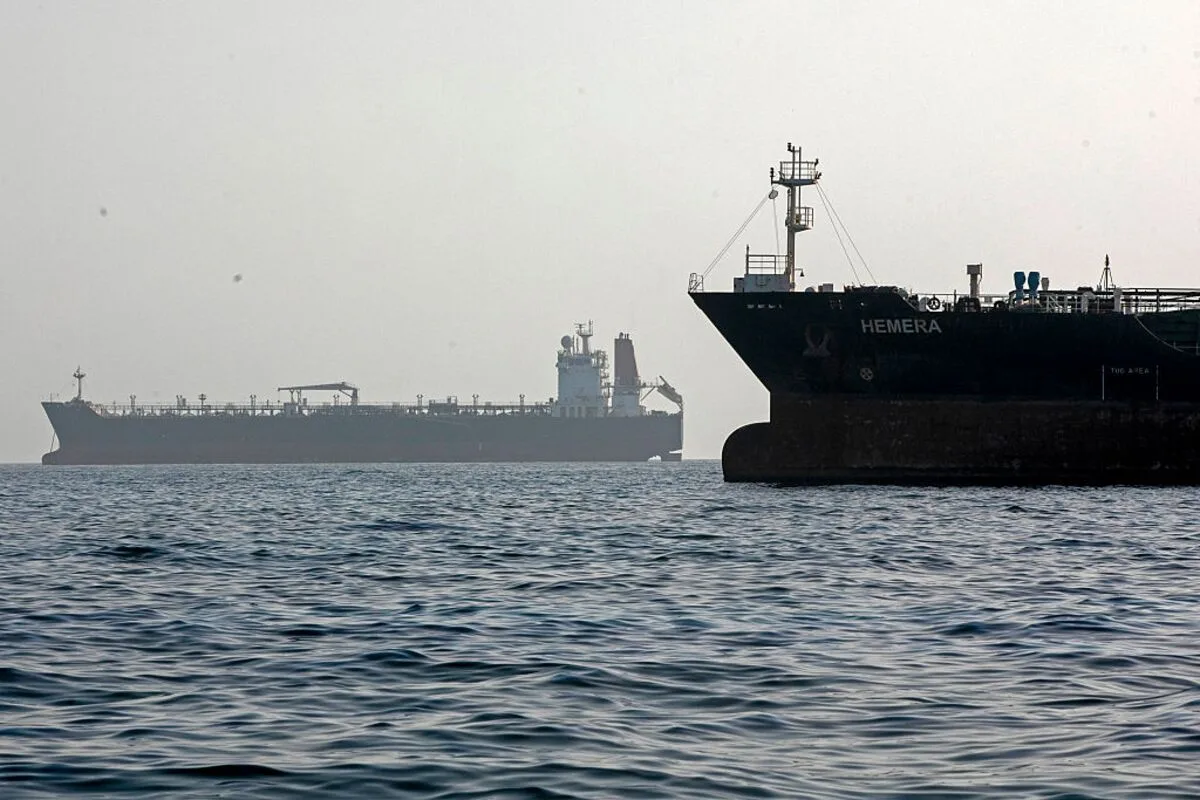
Qatar's Deputy Prime Minister Sheikh Saoud bin Abdulrahman Al Thani opposed permanent legal fees for transit through the Strait of Hormuz at the Shangri-La Dialogue security summit in Singapore on May 30, 2026 [1, 2, 3, 4]. He said Qatar and Gulf partners are against toll charges because they impact consumers, but they are open to temporary charges if used for purposes such as mine clearing to help restore normal passage through the strategic waterway [1].
Iran and Oman have discussed a permanent toll system to formalize control of traffic through the Strait of Hormuz, a key route for global energy shipments [1, 2, 3]. This follows Iran's effective closure of the strait after US-Israeli airstrikes began in late February 2026, sparking an energy crisis [1, 2, 3].
The United States, European countries, and Gulf nations like the UAE have rejected any notion of tolls on passage through the Strait of Hormuz [1, 2, 3]. Iran’s retaliation against US strikes has included drone and missile attacks on its military allies in the Gulf, including Qatar [1, 2, 3].
Amid these tensions, Qatar seeks to balance relations with both Iran and the US. Sheikh Saoud said they aim to establish a clear strategy with Iran covering political and trade relations and seek consensus within the Gulf Cooperation Council on the approach [1, 2, 3].
"We want to set up a clear strategy and a clear approach with Iran in order to have a strategy for all the relationships that we have with Iran, including the trading strategy and also the political strategy," he said [1].
The next key developments will hinge on Gulf states’ efforts to reach agreement on a unified strategy toward Iran and on whether temporary tolls tied to safety measures like mine clearing gain acceptance.