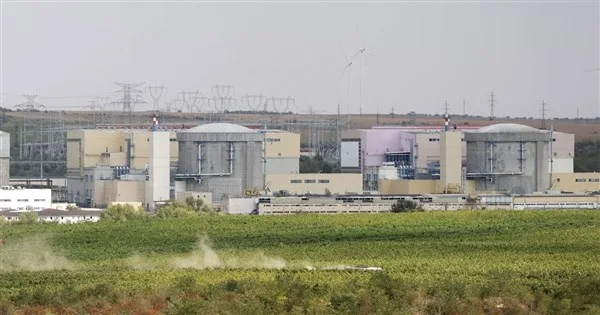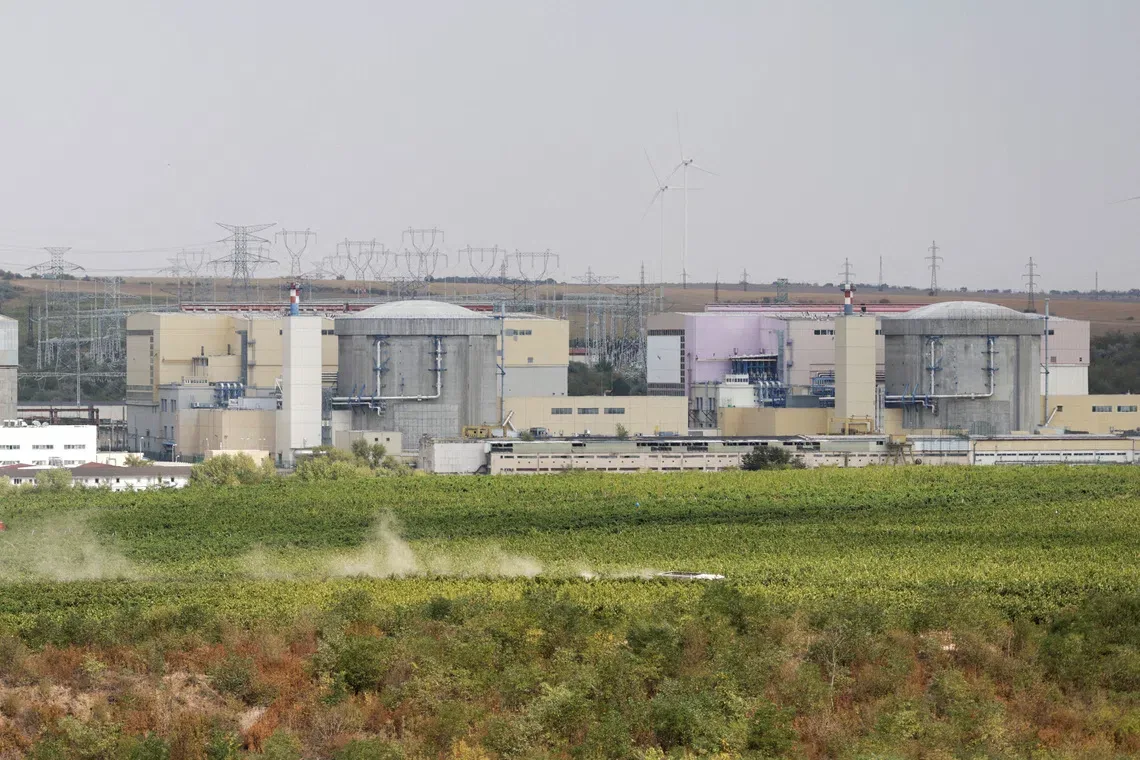
Romania's National Committee for Emergency Situations approved measures on August 22 to increase water levels in the Danube River to ensure cooling of the Cernavoda nuclear power plant [1, 2, 3].
The plant has been completely shut down due to historically low Danube water levels that are used for its cooling system [1, 2, 3]. This drop in water availability has forced Romania to declare a state of emergency throughout August 2026, citing the decline in electricity production tied to the nuclear plant shutdown [1, 2, 3].
Key emergency steps include dredging the Danube river channel near the nuclear facility and constructing a groyne along the Old Danube channel. The groyne will help divert water specifically toward the water intake area of the plant's cooling system [1, 2, 3].
The hydropower operator Hidroelectrica will release water from reservoirs on the River Olt beginning August 22. This release will last five days and aims to increase the Danube flow to aid cooling and generate additional electricity [1, 2, 3].
Officials also plan to mobilize high-capacity pumps if necessary to maintain the water levels required for stable nuclear plant operations [1, 2, 3].
The next key development is the five-day water release scheduled through August 26, which will be closely monitored for its impact on Danube water levels and the plant's cooling capacity [1, 2, 3].