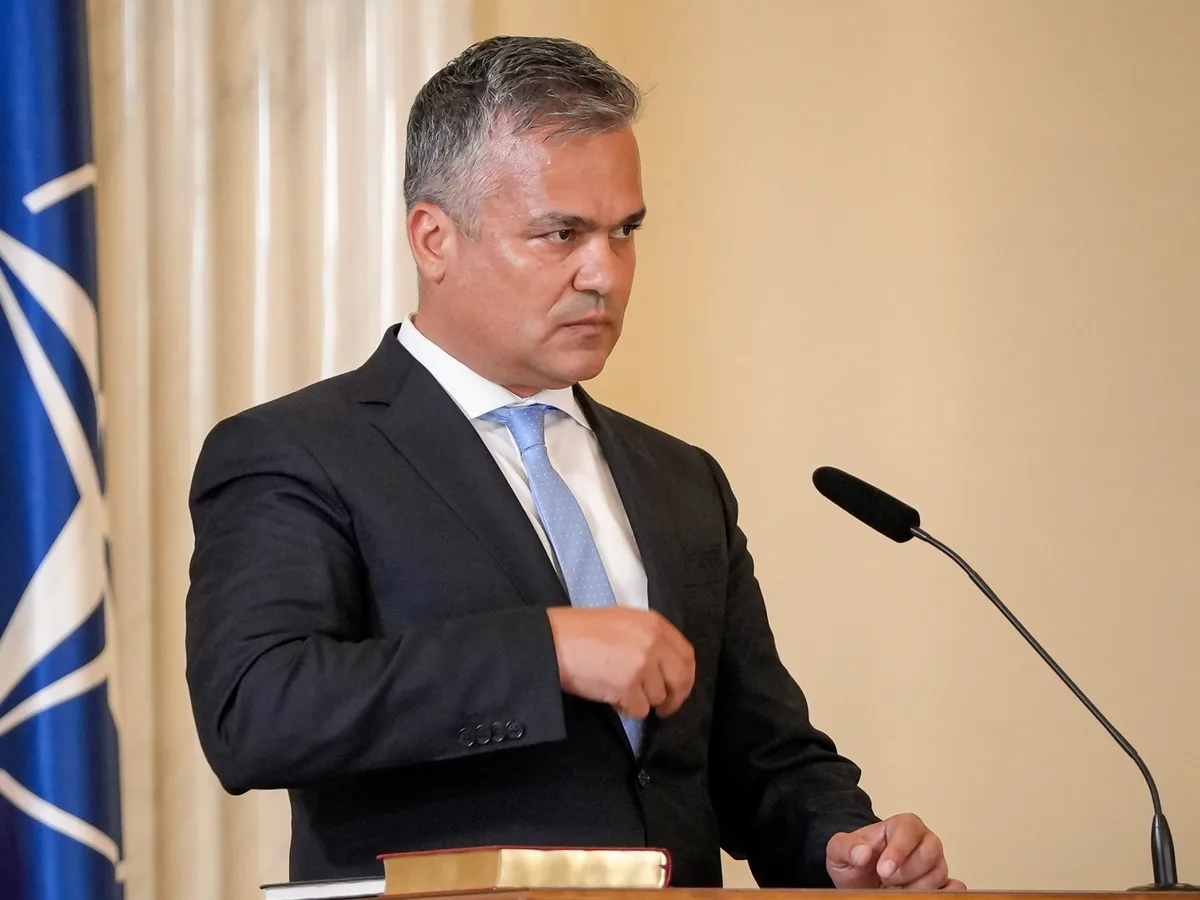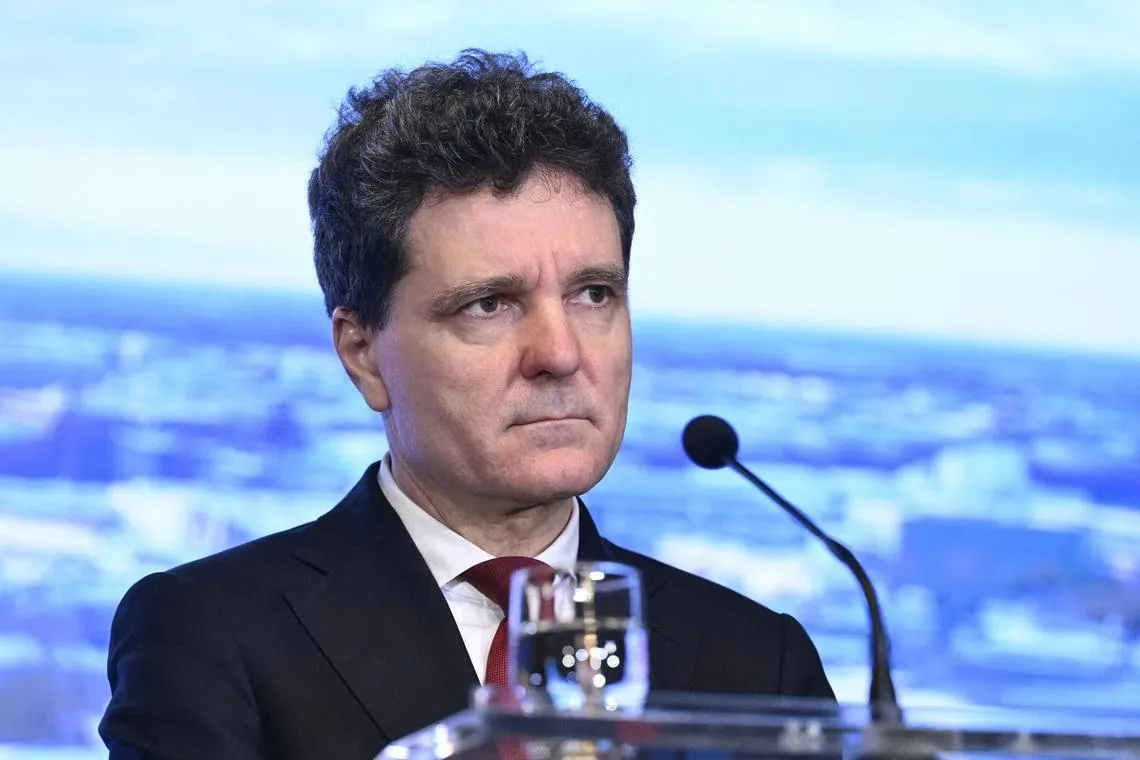
Romanian President Nicusor Dan designated Adrian Vestea as prime minister on June 14, 2026, after Eugen Tomac withdrew his candidacy citing lack of parliamentary support for his proposed technocratic government [1, 2]. President Dan said, "Eugen Tomac withdrew his mandate this morning and as such I nominate Adrian Vestea as prime minister" [1].
Adrian Vestea, 52, is a member of the National Liberal Party and currently serves as the county council president of Brasov [1, 2]. He has previous government experience as development minister from 2023 to 2024 and was formerly a mayor [2]. President Dan praised Vestea's record, stating, "He was a successful mayor, a successful county council president, a successful minister, and he attracted European funds, being focused on development, for example the Brasov airport, which is a success" [2]. Vestea said, "We are the sixth largest country in Europe, and we need to put a major emphasis on development. Which I will do from day one" [2].
The nomination came after a no-confidence vote in May toppled former Prime Minister Ilie Bolojan, thrusting the country into political uncertainty [2]. Tomac’s technocratic proposal failed to secure sufficient party backing, leading President Dan to conclude that "a minority political government is preferable to a technocratic one under current conditions" [1, 2].
Vestea has 10 days from June 14 to form a government and must obtain a parliamentary vote of confidence to officially take office [1, 2]. The next parliamentary election is scheduled for 2028, with early elections currently considered unlikely [1, 2].
Romania faces serious economic challenges including a high budget deficit, rampant inflation, and a technical recession, emphasizing the urgency for stable governance [2].
Parliament will address Vestea’s proposed government following his formation efforts within the prescribed 10-day window.