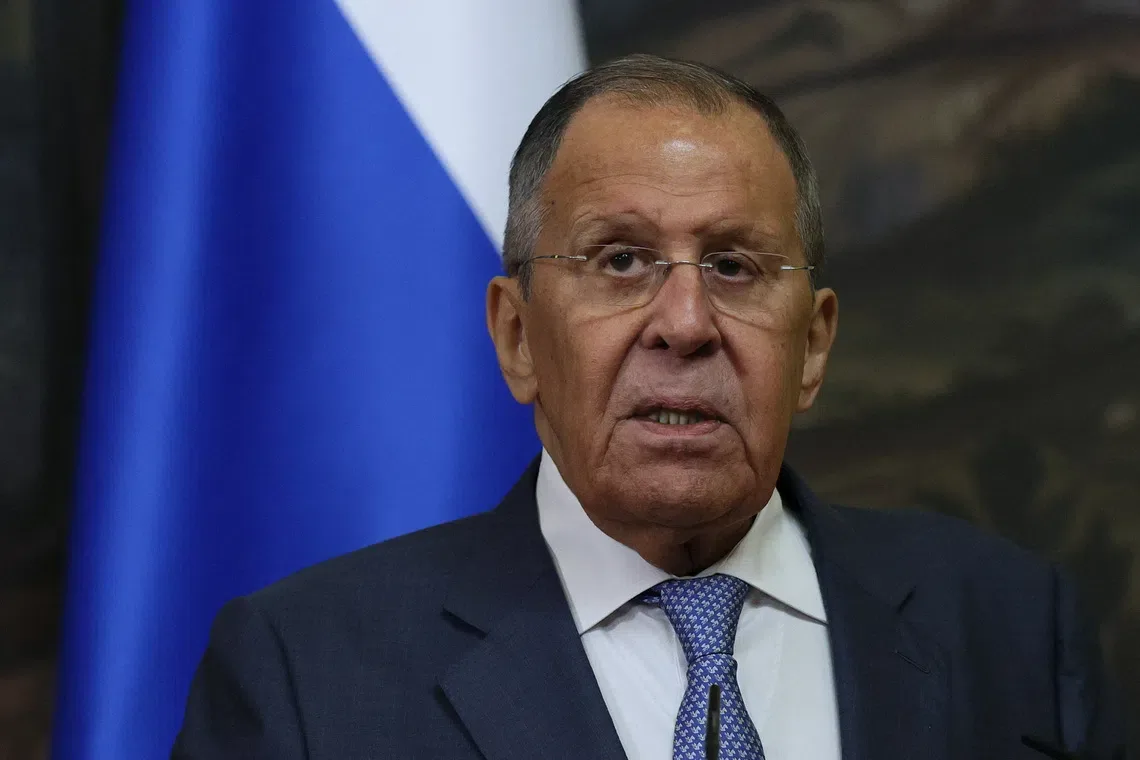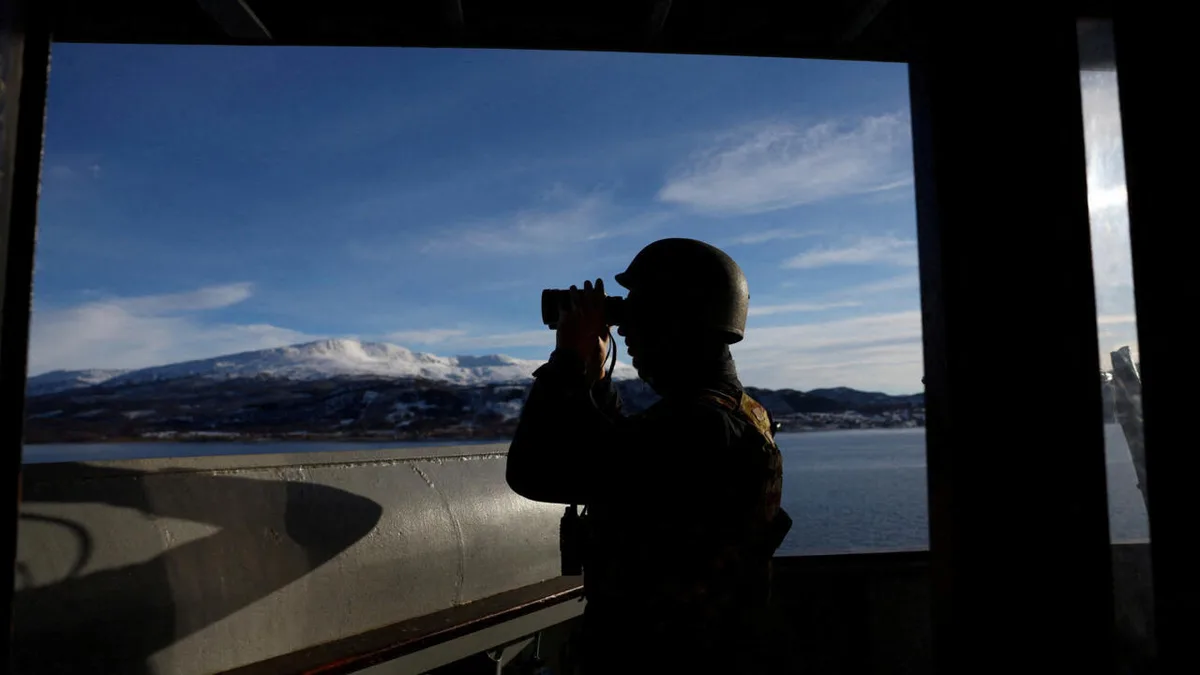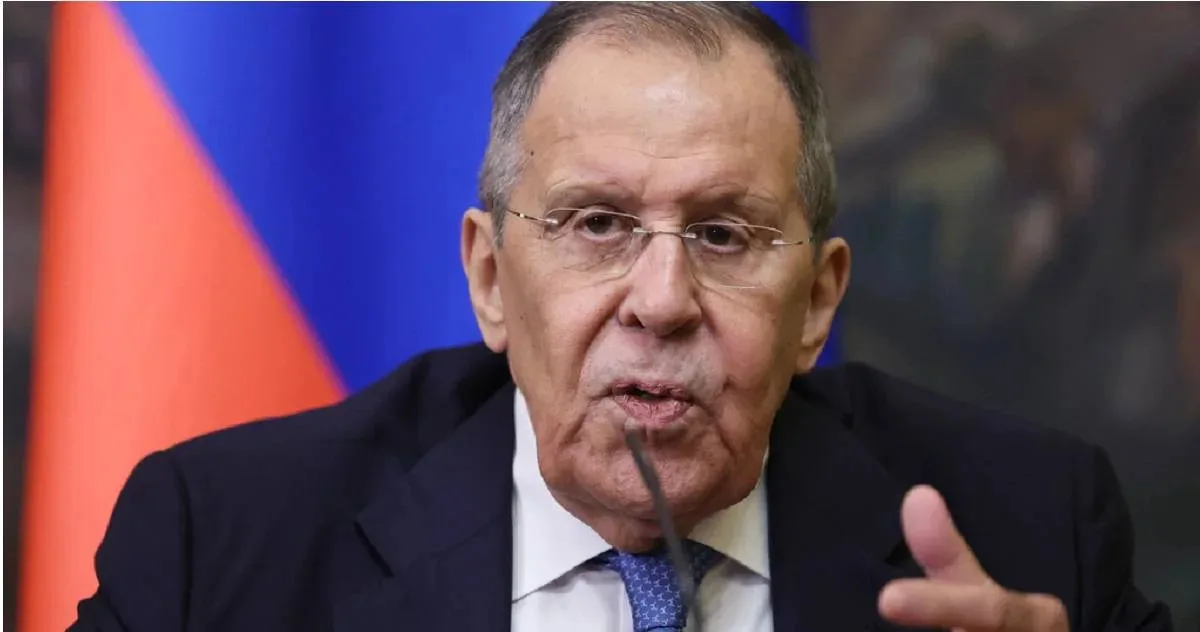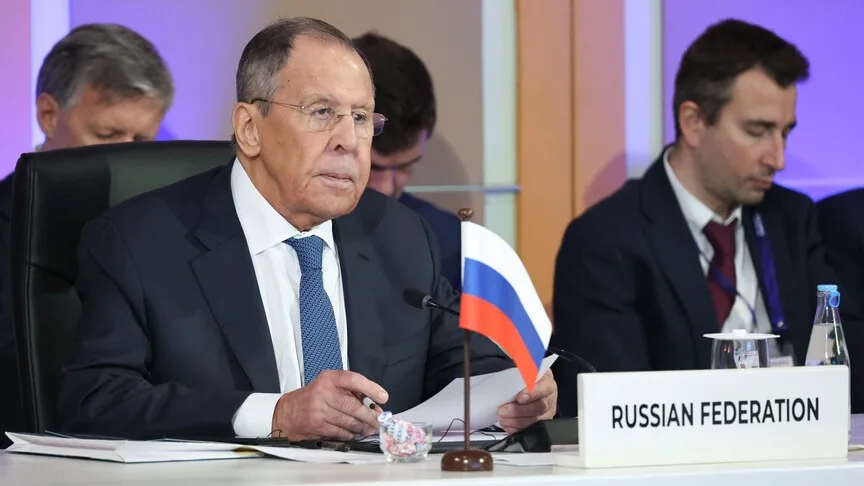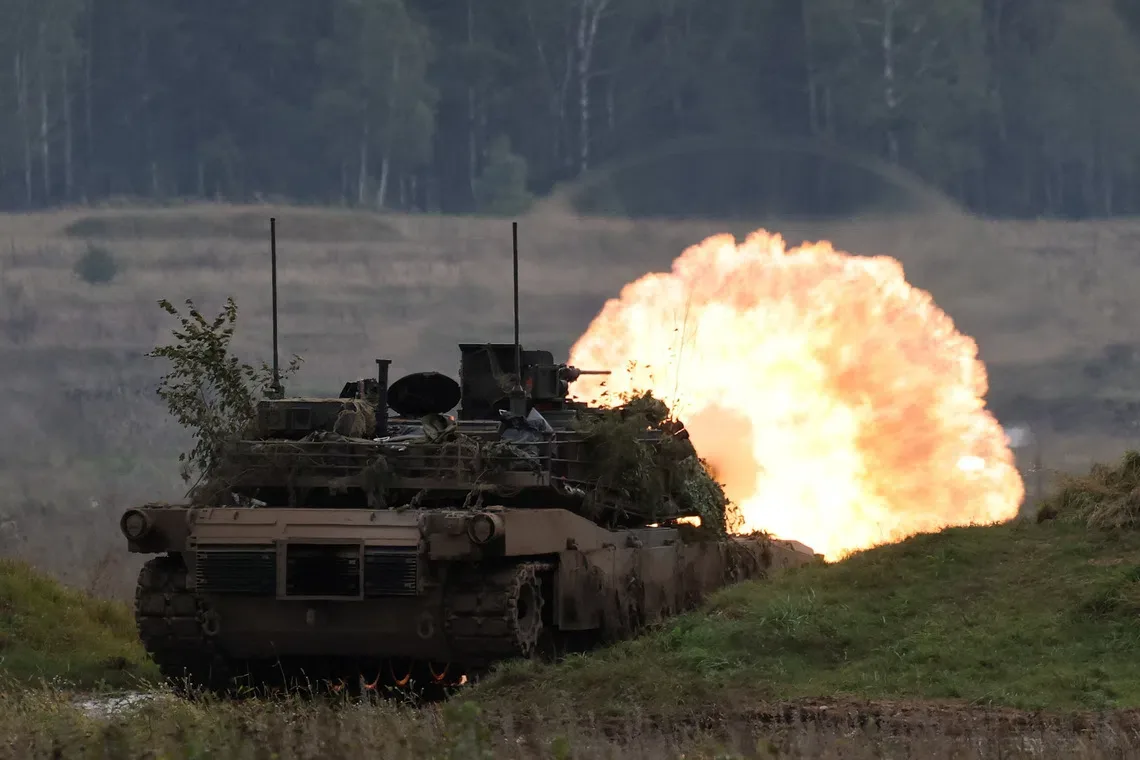
NATO launched the Arctic Sentry mission in February 2026 to strengthen its military presence in the Arctic amid tensions with Russia and increased focus on the region [1, 2, 3, 4, 5, 6]. On August 31, Russian Foreign Minister Sergei Lavrov condemned NATO’s military activities in the Arctic as direct threats to Russia’s security, warning that the risks of incidents triggering armed conflict with catastrophic consequences are increasing. Lavrov stated, "Such military activity in the Far North poses direct threats to Russia’s security. The risks of incidents that could trigger an armed confrontation, with potentially catastrophic consequences, are increasing" [1, 2, 3, 7, 4, 5, 6].
Russia maintains the largest military presence and infrastructure in the Arctic, including a naval fleet with nuclear-armed submarines [1, 2, 3, 4, 5, 6]. The Russian government views the Arctic as its sphere of interest and is developing the Northern Sea Route shipping corridor connecting to Asian nations, emphasizing its strategic and economic priorities in the region. The Arctic zone contributes at least 10% to Russia’s GDP and is home to more than 2.5 million people [7].
On August 19, a Chinese container ship arrived at Murmansk port via the Northern Sea Route, marking a new phase of Arctic shipping cooperation between Russia and China. China has increased its activity in the mineral-rich Arctic mostly through partnerships with Russia [1, 2, 3, 7, 4, 5, 6].
In response to ongoing tensions, Norway expanded a newly created Arctic-based military brigade in August 2026, representing a NATO member’s effort to boost its defense posture following Russia’s 2022 invasion of Ukraine [1, 2, 3, 4, 5, 6].
Russian officials reject accusations that Moscow poses a threat to NATO and describe NATO’s Arctic exercises as aggressive and provocative [8, 1, 2, 3, 4, 5, 6]. NATO officials maintain there is no imminent threat of a Russian attack on member states but acknowledge continuing hybrid threats and attacks in Europe. One NATO official said, "As always, NATO remains vigilant and alert to the variety of threats we face. At this time, we see no imminent threat of attack. We continue to stand with Ukraine. And NATO continues to work around the clock to keep our one billion people safe" [8].
Polish Prime Minister Donald Tusk stressed the need for NATO and Poland to prepare for various scenarios, including possible Russian provocations against alliance members, underscoring ongoing security concerns within NATO [8].
Separately, CIA Director John Ratcliffe visited Russia to meet intelligence counterparts and reportedly raised concerns about potential Russian operations targeting NATO members [8]. Meanwhile, the German government is expected soon to name those responsible for an attempted drone attack on Leipzig/Halle airport in August 2026, an event Russia denies involvement in [8].