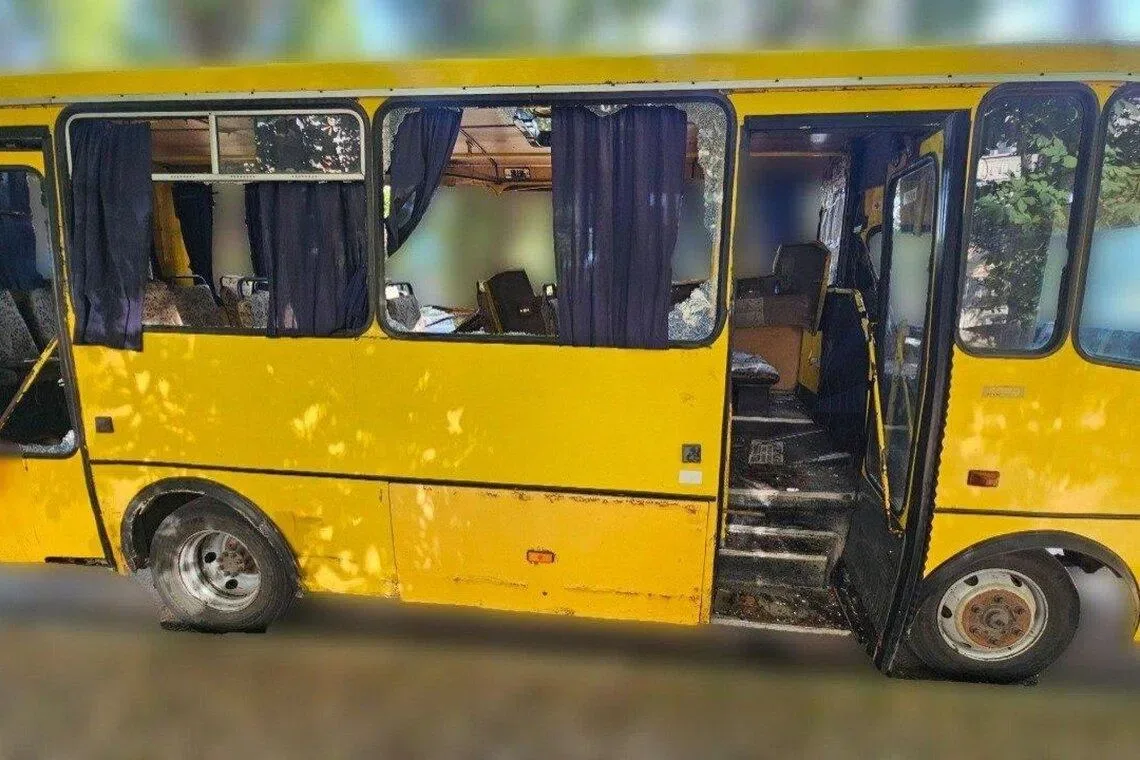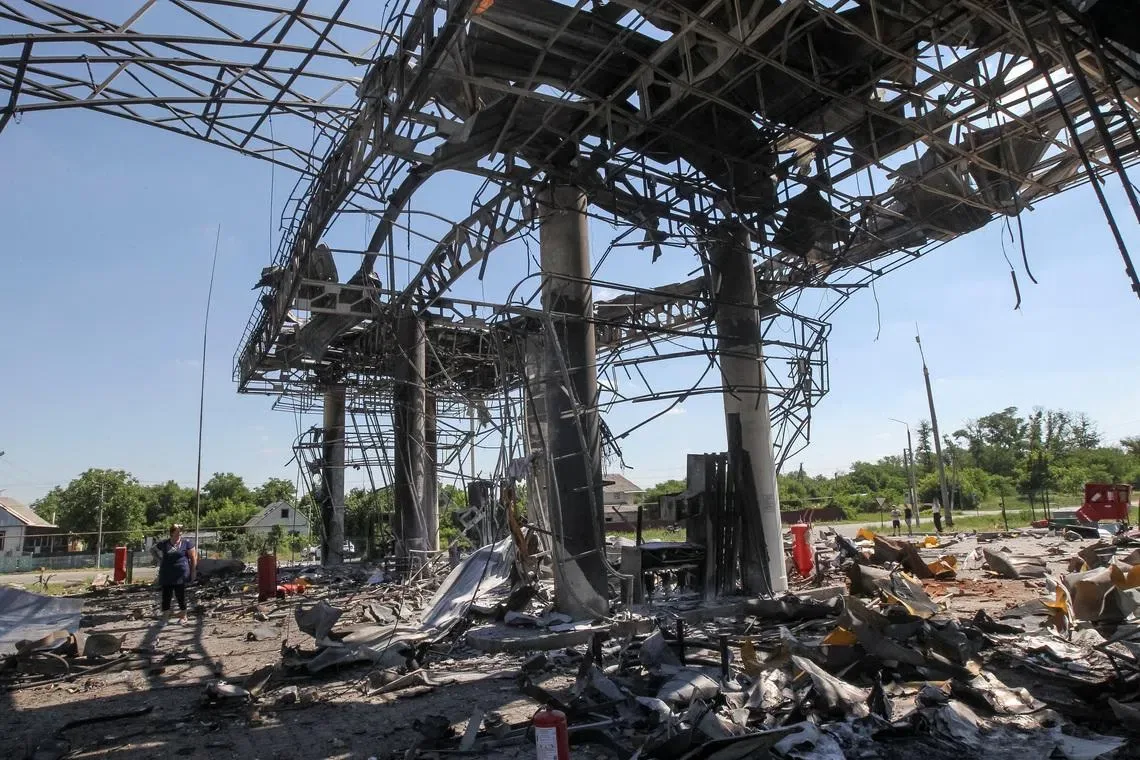
Russian drone, glide bomb, and missile strikes killed at least six people and wounded about 50 across Kharkiv, Odesa, and Kherson on July 1, with seven glide bombs killing a 15-year-old and injuring 32 in Kharkiv alone, according to Mayor Ihor Terekhov [1, 2]. A ballistic missile strike on Odesa caused a fire, killing two and injuring 15 [1]. Drone attacks in Kherson killed at least three and caused additional injuries [1].
Russian forces continued attacks on July 2 and 3, killing between three and six people in eastern Ukraine near Nikopol, Donetsk, Luhansk, Sumy, and Zaporizhzhia [3, 2, 4, 5]. A massive glide bomb assault on Sumy on July 3 killed at least four, including a child, and injured 27 [4, 5]. Kyiv observed a day of mourning on July 3 following the deadliest Russian strikes on the capital, which killed at least 30 people [2, 5].
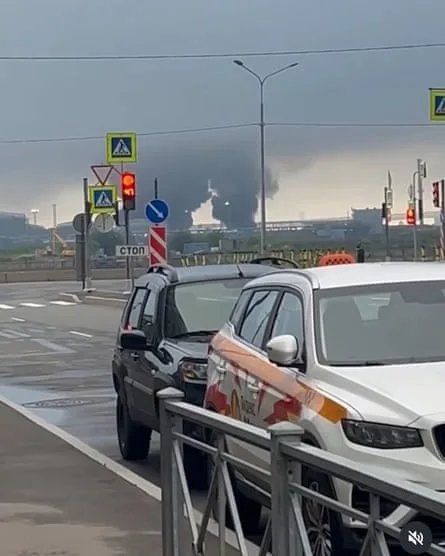
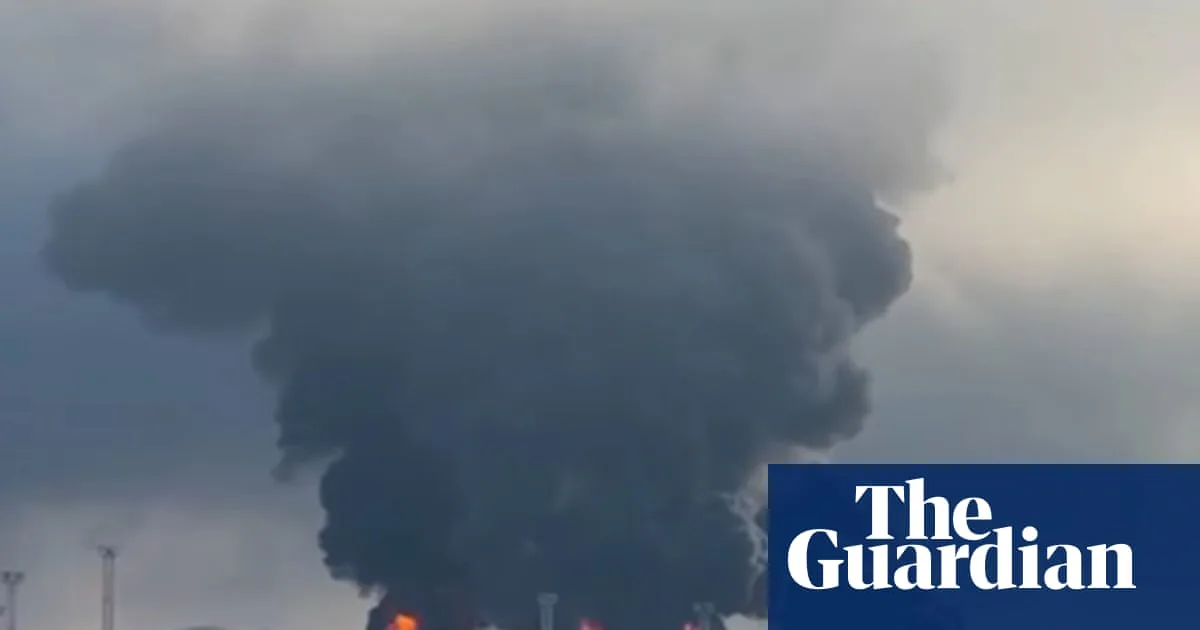
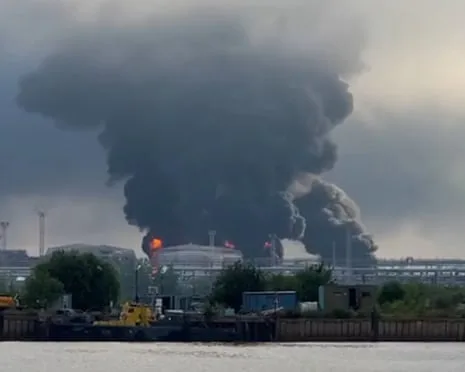
In retaliation, Ukrainian forces launched a large-scale drone attack overnight on July 3-4 targeting St Petersburg and the Leningrad region. The raids hit oil terminals and port facilities, including sites near Peterhof Palace, the Kirovsky district oil terminal, and the port of Vysotsk about 170 km from St Petersburg [6, 7, 8, 9]. Leningrad region Governor Alexander Drozdenko said 72 Ukrainian drones were shot down, with debris falling near Vysotsk port [8]. St Petersburg Governor Alexander Beglov described the city of 6 million as coming under a "large-scale" drone strike, with one drone crashing at the Peterhof Palace and another hitting an oil terminal in the Kirovsky district [7].
Russian authorities reported stopping 389 Ukrainian drone attacks nationwide that night, with minor damage but no confirmed casualties near St Petersburg [7, 8]. Ukrainian President Volodymyr Zelenskyy confirmed the strikes hit oil infrastructure and military targets including the Kronstadt naval base over 850 km from Ukraine’s border, saying the attacks targeted revenue sources for Russia’s war effort [7, 8, 9]. Ukraine claims its strikes have disabled about 42.74% of Russia's oil refining capacity as of early July 2026, leading to widespread fuel shortages [8]. Russian President Vladimir Putin dismissed the energy strikes as "not critical" but acknowledged resulting fuel shortages in Russia [10, 7, 8].
Ukrainian air forces claimed shooting down 476 of 496 Russian drones and 48 of 74 missiles in recent attacks amid the ongoing conflict [5]. Meanwhile, Ukrainian drone strikes on Russian border regions including Belgorod, Bryansk, Smolensk, and Crimea caused civilian casualties and industrial fires [10, 7].
The United Nations spokesman Stephane Dujarric condemned attacks on civilians and infrastructure as clear violations of international humanitarian law and called for an immediate stop [5].
The next major developments are expected as both sides continue offensive drone and missile operations in and around Ukraine and Russia, with further attacks likely in the coming weeks.