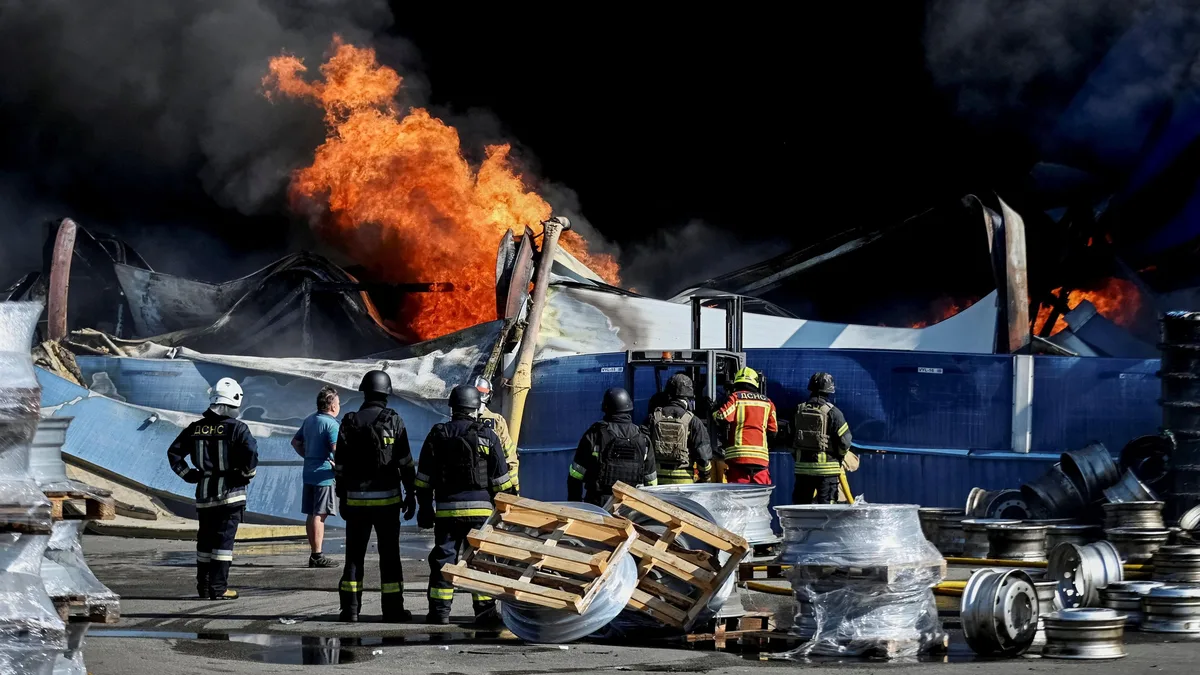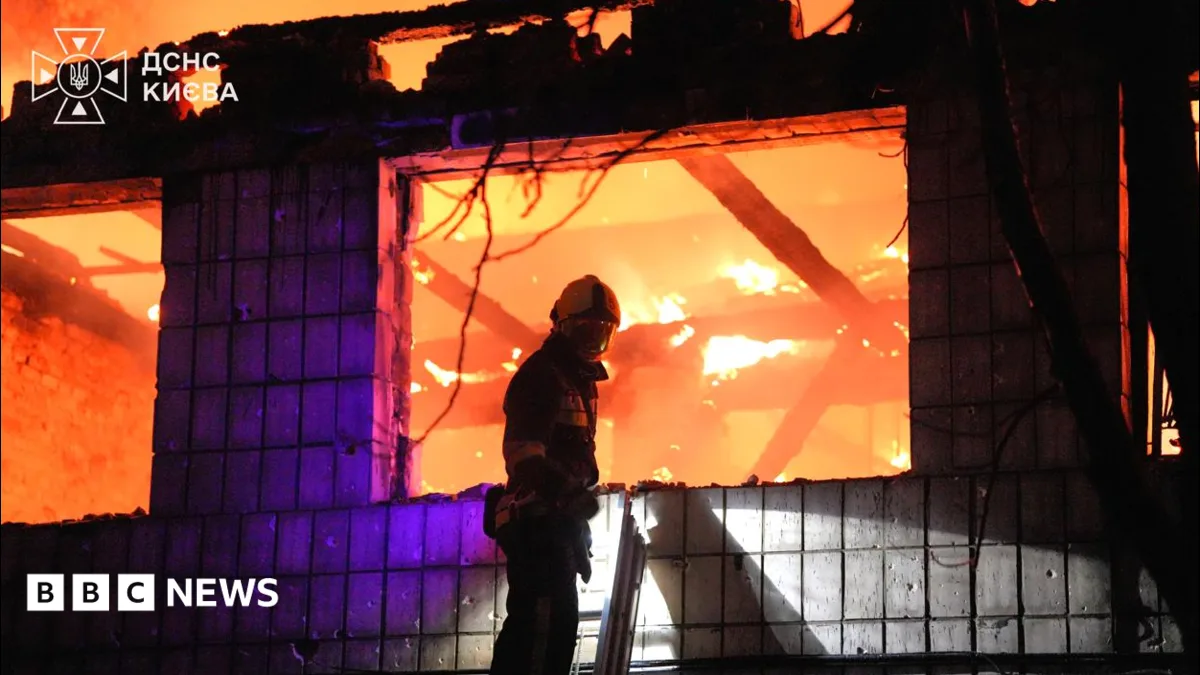
Russian missile and drone strikes overnight on September 1 killed at least 12 people and injured about 20 in Kyiv and the surrounding region, Ukrainian authorities said [1, 2, 3, 4, 5]. Six of the dead were railway workers killed when a ballistic missile hit a railway depot in Kyiv, causing significant damage to infrastructure and sparking fires [1, 3, 4, 5, 6]. Oleksandr Pertsovskyi, chief executive of Ukrainian Railways, described the night as "unbearably difficult" for the railway community, noting staff worked at the scene from early morning [5].
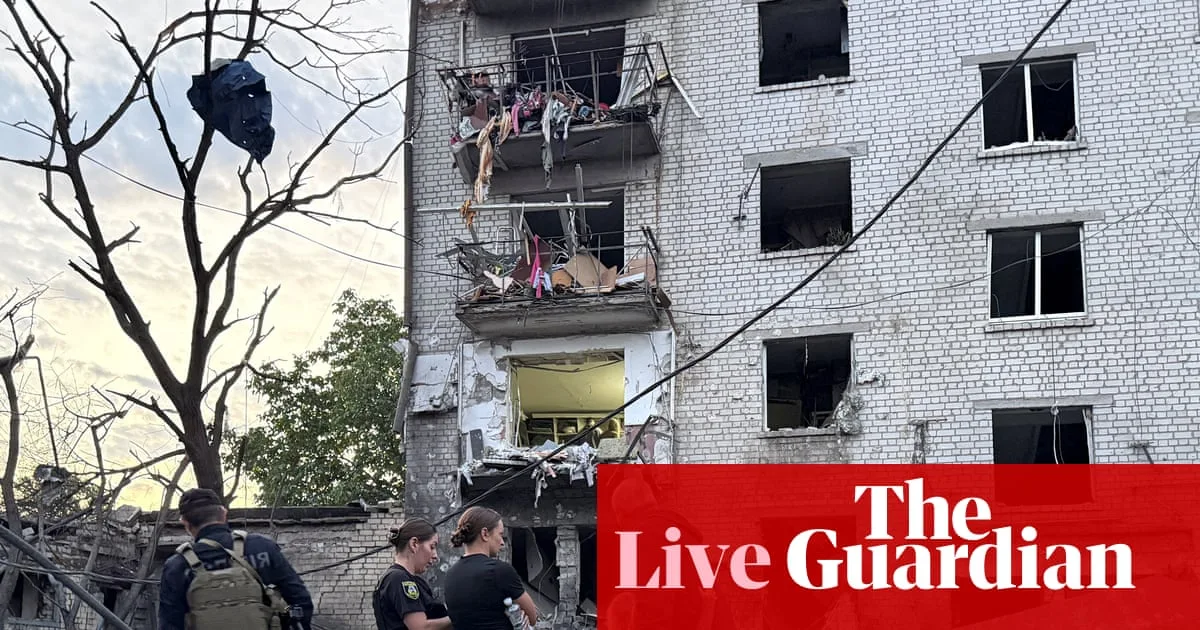
Four others died in the wider Kyiv area, including a residential building hit in Boryspil, where an Indian citizen in his 20s was among the dead [1, 7, 2, 4]. Indian Prime Minister Narendra Modi said, "Every day spent in war pushes humanity back, and every step taken towards peace fills humanity with new hope and enthusiasm" [1].
The strikes mark the sixth consecutive day of sustained Russian missile and drone attacks targeting Kyiv and nearby areas [1, 7, 2, 3, 8, 6]. The missiles and drones hit military, energy, and railway infrastructure, causing extensive damage, fires, and power outages [1, 3, 4, 5, 9, 6]. Russian attacks also struck energy infrastructure in the southern Odesa region, leading to widespread blackouts [2, 9].
Ukraine’s air force reported shooting down 187 out of 218 Russian drones and missiles during the attacks [3]. Ukrainian President Volodymyr Zelenskyy called for increased deliveries of air defense systems, saying, "Russia always plans its strikes specifically to cause as much destruction to people’s lives as possible, and it succeeds only when air defence capabilities are insufficient" [3]. Ukraine currently faces shortages of US-made Patriot interceptor missiles—its only effective defense against Russian ballistic missiles [3, 4, 10].
The strikes disrupted daily life as children returned to school under heightened security measures [4, 10]. Russia claimed the attacks targeted military and energy facilities; both Kyiv and Moscow deny deliberately targeting civilians [1, 7].
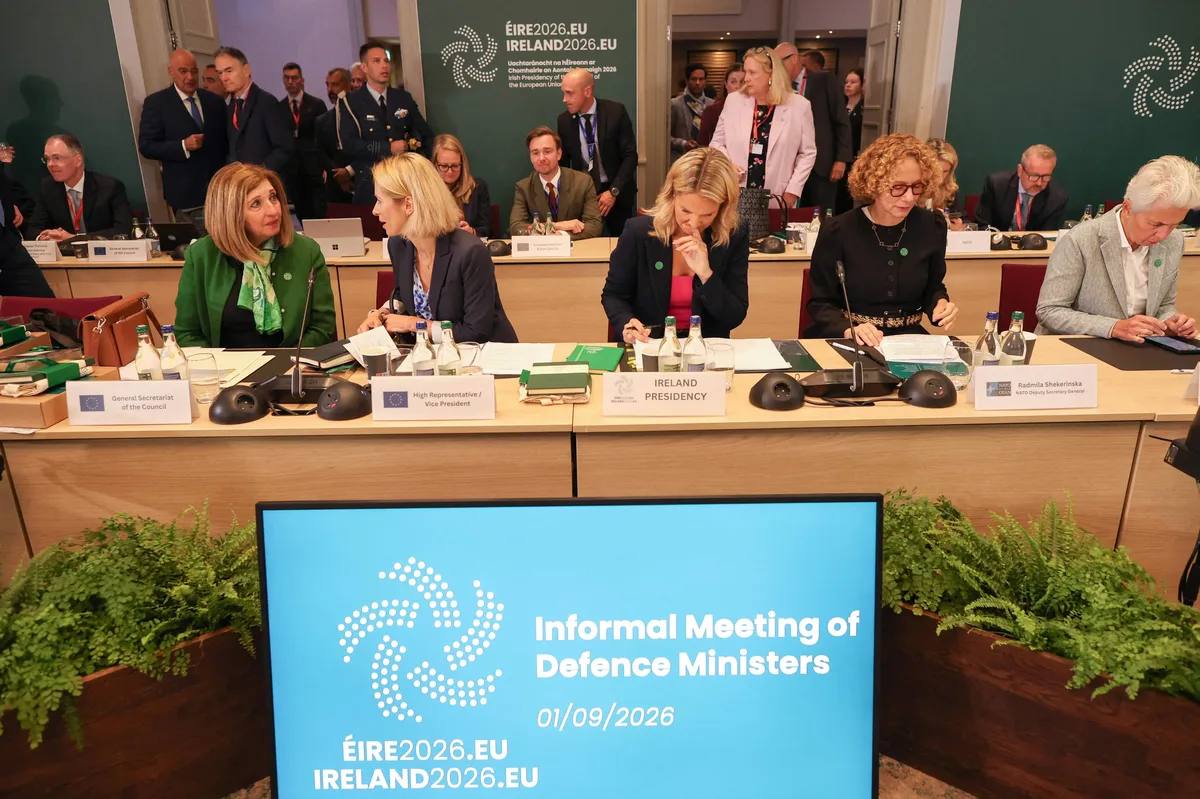
On September 1, EU defense ministers met in Wicklow, Ireland, to discuss speeding up funding and plugging defense gaps for Ukraine. Ireland’s Defence Minister Helen McEntee said, "It is obviously beyond today but I think we need to advocate, insofar as possible, for bringing that forward," referring to expediting aid [2, 11, 12]. EU diplomat Kaja Kallas added, "Europe is investing more in defence than ever, but spending alone is not automatically a guarantee for success" [12]. The EU has agreed a €90 billion loan package for Ukraine covering 2026–2027 [11].
On September 2, Russian strikes cut power in the Odesa region while attacks on Kyiv entered their seventh day, causing injuries and further building damage from drone strikes [9].