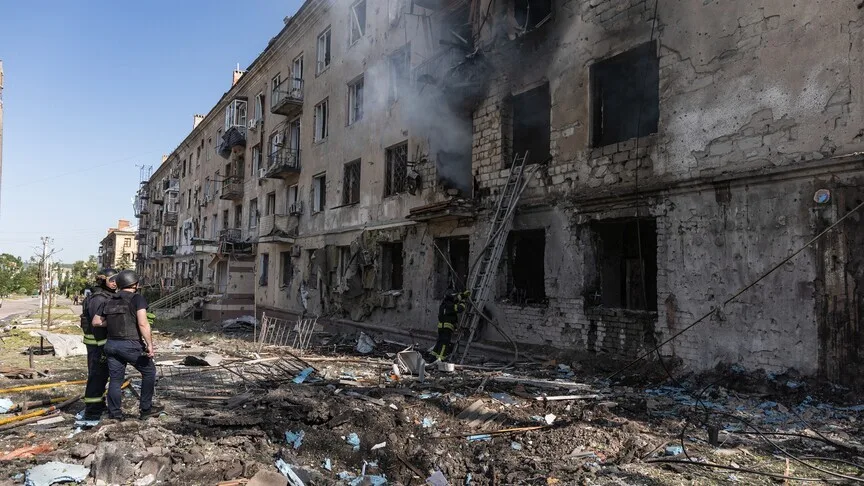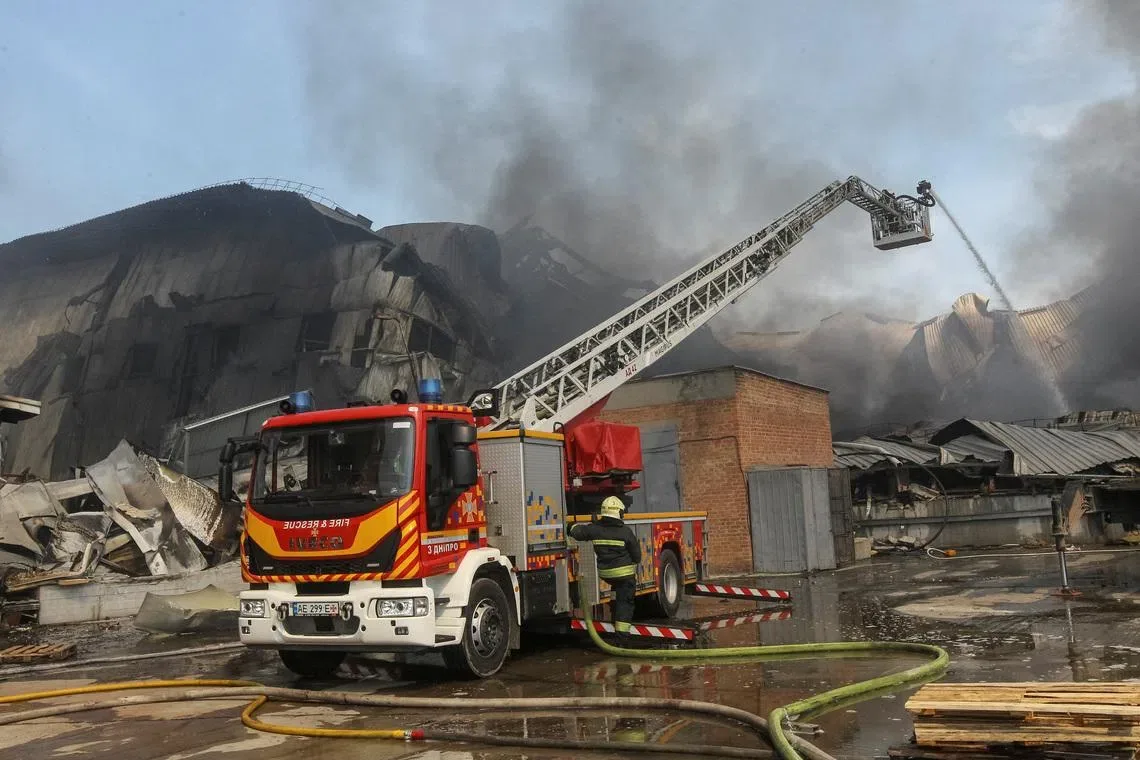
A Russian missile struck a UNHCR-leased warehouse in Dnipro, eastern Ukraine, on May 20, destroying more than $1 million worth of humanitarian supplies, including shelter materials and hygiene kits, and killing at least two people [1, 2]. UNHCR Representative Bernadette Castel-Hollingworth called it "the first time that a UNHCR facility is being targeted or attacked" since the start of the full-scale Russian invasion, calling the strike a "clear violation of international law" [1, 2].
The warehouse contained crucial relief items intended to assist displaced and affected civilians in the conflict-ravaged region. The attack marks an escalation in threats to aid operations in Ukraine, where humanitarian access has been increasingly challenged.
In the week before the warehouse strike, two clearly marked UN aid convoys were hit by drone attacks near frontline areas in the Dnipropetrovsk and Kherson regions [1, 2]. These incidents reflect a pattern of growing risks to humanitarian missions amid intensifying fighting.
Civilian casualties in Ukraine surged 21% in the first four months of 2026 amid rising Russian attacks, with at least 815 civilians killed and 4,174 injured between January and April, according to UNHCR citing the Human Rights Monitoring Mission [2]. Recent deadly strikes in Sumy, Chernihiv, Kyiv, Odesa, and Dnipro regions have killed and injured dozens more civilians [2].
Nearly 47,000 evacuees have passed through UNHCR-supported transit centers since the start of 2026, though actual displaced numbers are believed to be higher [2]. The ongoing violence continues to drive displacement and complicate aid delivery.
UNHCR stressed the urgency of protecting aid workers and facilities amid escalating threats. Officials warned that attacks on humanitarian operations violate international law and undermine relief efforts.
The next key developments will be monitored as the conflict unfolds and efforts continue to deliver aid despite heightened risks to humanitarian missions on the ground.