Two sabotage attacks targeted German electricity substations on September 1, 2026, in Brandenburg and Bergheim near Cologne, prompting terrorism and criminal investigations [1, 2, 3, 4, 5, 6].
In Brandenburg, improvised explosive devices damaged power cables in the early hours of the day, triggering a terrorism probe by German authorities [3, 6]. The attack caused no widespread outages but raised alarms about critical infrastructure vulnerability.
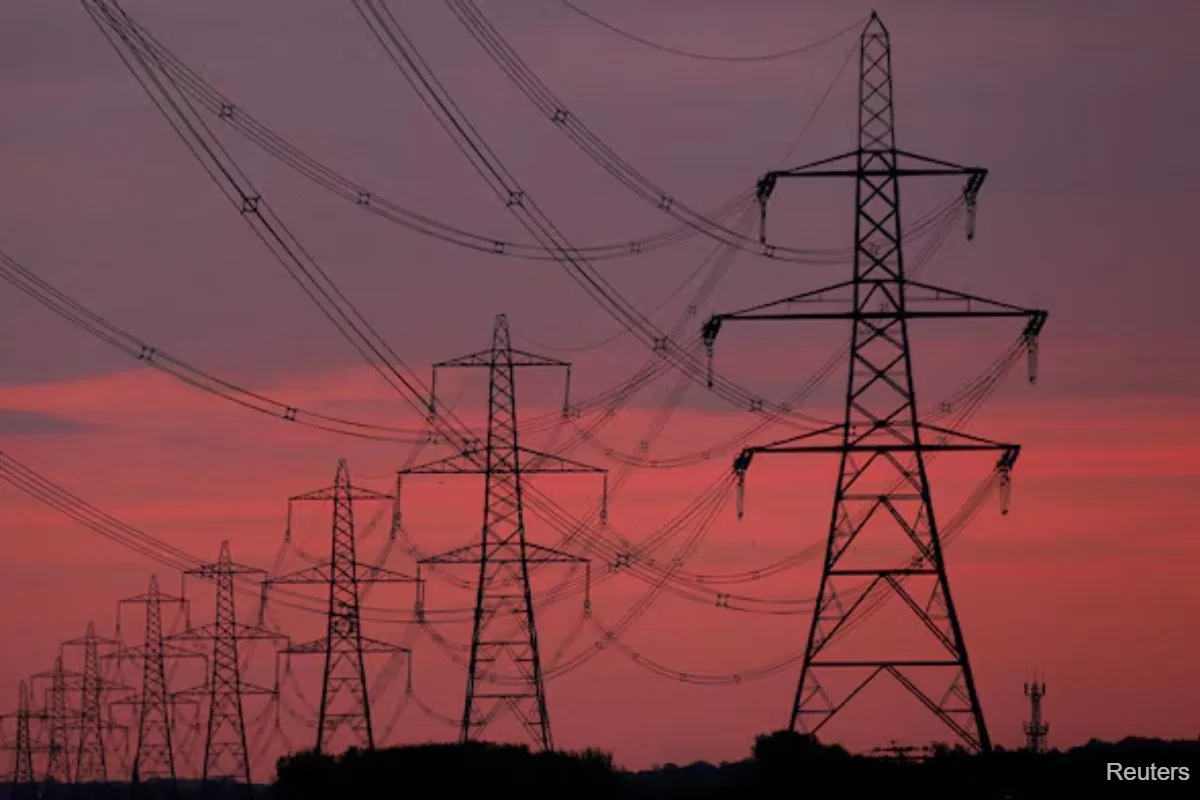
The Bergheim incident occurred around 1800 GMT when saboteurs placed conductive materials on overhead power lines, deliberately causing a short circuit at a substation [1, 2, 3, 5, 7, 6]. This disrupted operations at nearby lignite-fired power plants, temporarily taking five units offline with a combined capacity of about 4,200 megawatts [2, 6]. Despite the damage, power outages did not spread widely [2, 3, 6].
North Rhine-Westphalia Interior Minister Herbert Reul said investigators are considering the possibility of foreign state-sponsored sabotage or involvement by left-wing extremists [3, 7, 6]. Reul warned, "More sabotage, more hybrid attacks – interference like this is not happening far away, it's happening right on our doorstep. And anyone who acts this way is not just trying to hit cables; they're trying to hit our country" [3]. He added, "Whoever goes after that is attacking our country" [7].
The attacks come amid heightened German security concerns after a recent drone attack attempt on a Ukrainian cargo plane at Leipzig/Halle airport, which Berlin attributed to Russia [1, 2, 3, 6]. Germany announced diplomatic counter-measures against Russia the same day as the sabotage incidents, prompting Russia to summon the German charge d'affaires in protest on September 2 [3, 6].
German authorities remain on high alert for threats to critical infrastructure amid ongoing geopolitical tensions linked to Ukraine and Russia [2, 3, 4, 6]. The investigations continue as officials seek to determine the full circumstances and motives behind the coordinated attacks.