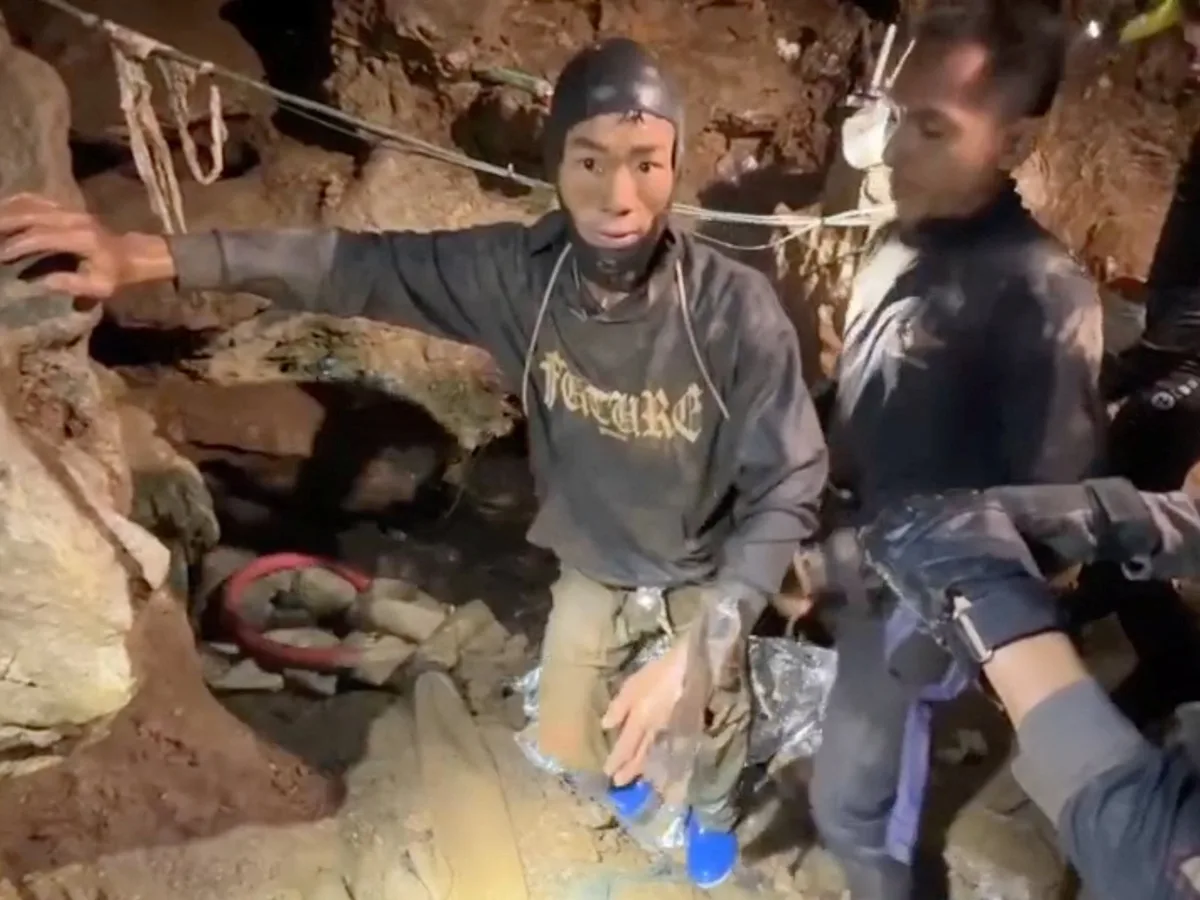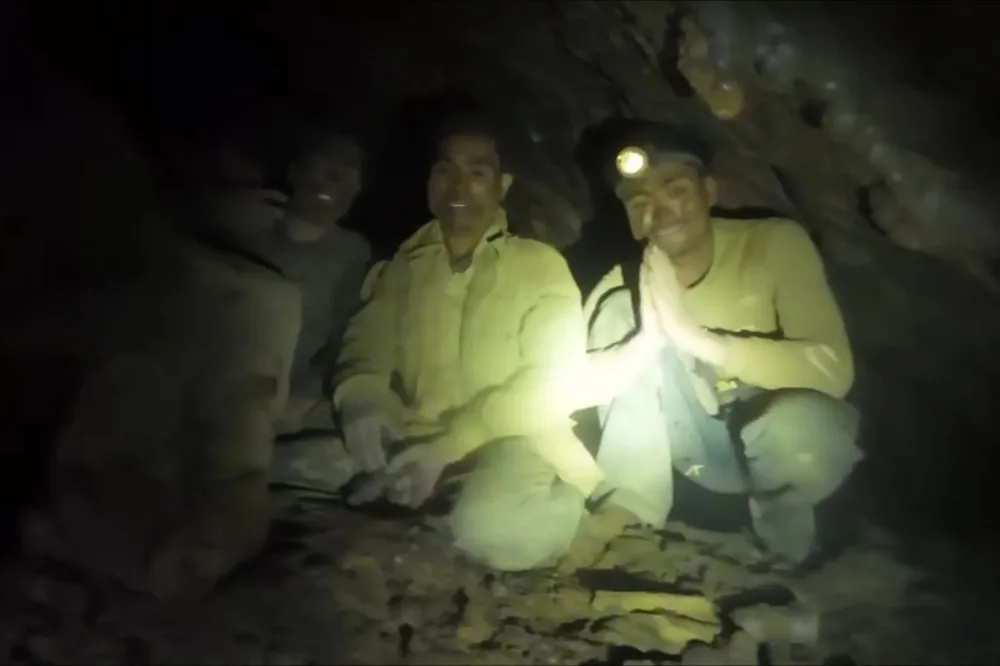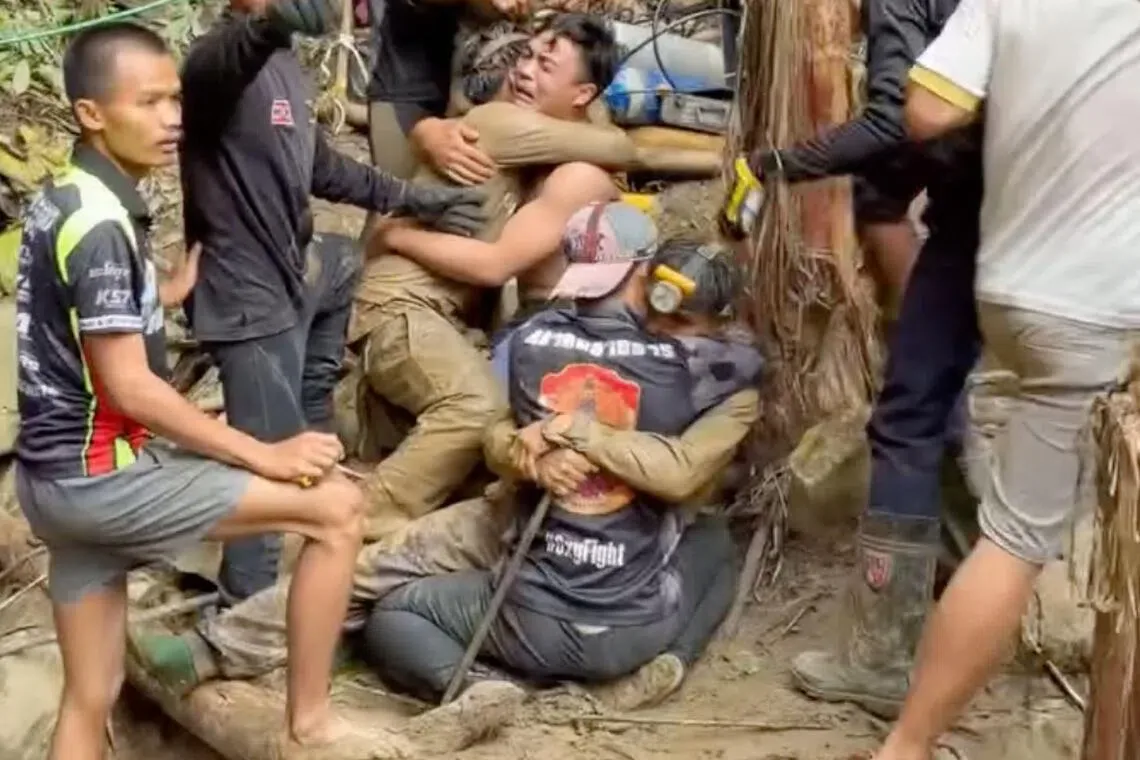
Seven villagers were trapped in a semi-submerged cave in central Xaysomboun province, Laos, on May 20 after flash floods blocked their exit while they hunted bats and searched for gold [1, 2, 3, 4, 5]. Rescuers found five of the men alive about a week later. One was brought out by divers on May 29, and four more were guided out the next day after water was pumped from the cave [1, 2, 3, 4, 5]. They had been huddled in a narrow passage around 300 meters from the cave entrance [1, 2, 3, 5].
Despite intensive search efforts by Laotian and international teams, the remaining two men are still missing [1, 2, 3, 4, 5]. Key cave specialists from Finland and Japan left the site by June 5, signaling difficulties ahead [1, 2, 3, 5]. On June 6, rescue teams called off the search due to instability at the cave entrance and the high risk to rescuers, saying chances of survival for the two missing men were slim [1, 2, 3, 4, 5].
Malaysian diver Lee Kian Lie, who joined the operation on May 28, said, "We were so close. The water in the cave was already manageable, but the cave entrance started to become unstable. To continue the operation is high risk. Perhaps a miracle will happen. Everyone tried. We tried. I am sorry for the family" [1].
Thai lead rescuer Kengkad Bongkawong posted that no one is allowed inside the cave because of the risk. "Even though we don’t know the current condition of those two individuals, reducing the water level inside the cave is the best approach right now. There are still food rations and survival supplies that we have placed at various points inside the cave. If miracles exist, I believe their expertise will guide them out safely" [1].
Rising rainwater reduced the vertical space inside the cave to about 30 centimeters, roughly half the clearance rescuers initially had [1, 2, 3, 4, 5]. Bongkawong warned that "from today onwards, the rain will become progressively heavier," further complicating efforts [1]. Rescue teams plan to continue pumping water and digging at resurgence points outside the cave to lower water levels but will not re-enter until conditions stabilize [1, 2, 3, 4, 5].