Singapore will begin testing five coastal protection projects starting in 2027, backed by $14 million from the Public Utilities Board's Living Lab initiative aimed at tackling rising sea levels and coastal erosion [1, 2, 3].
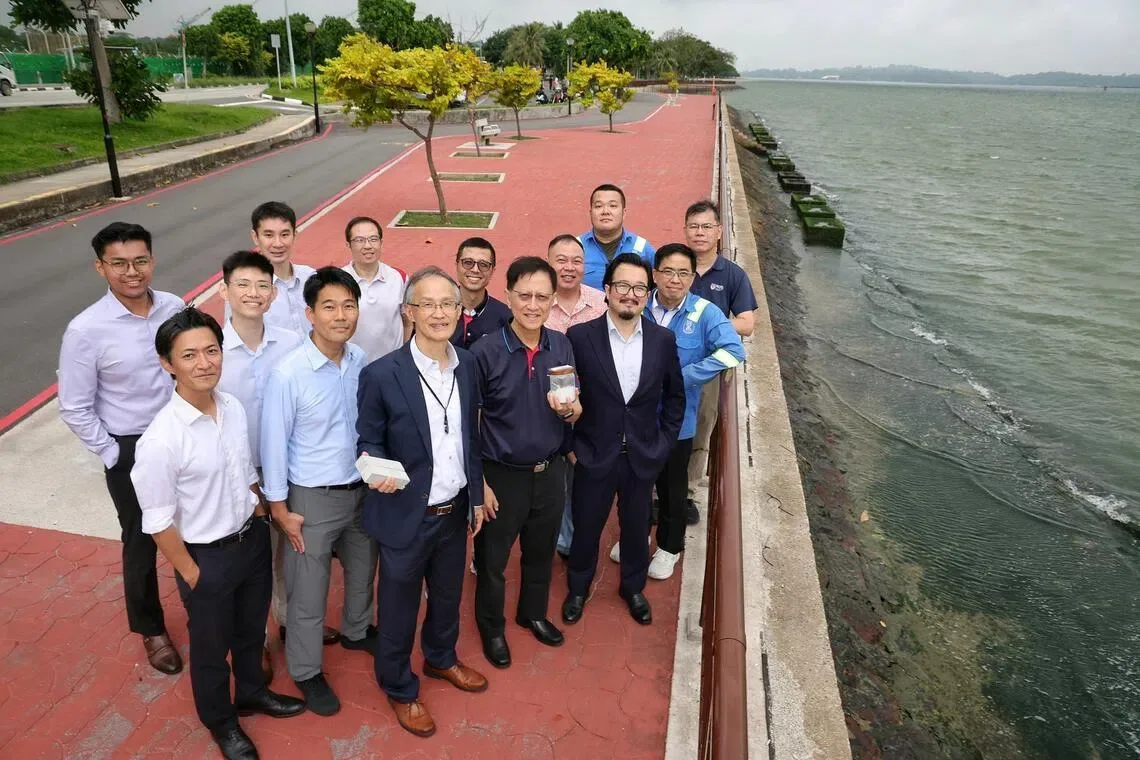
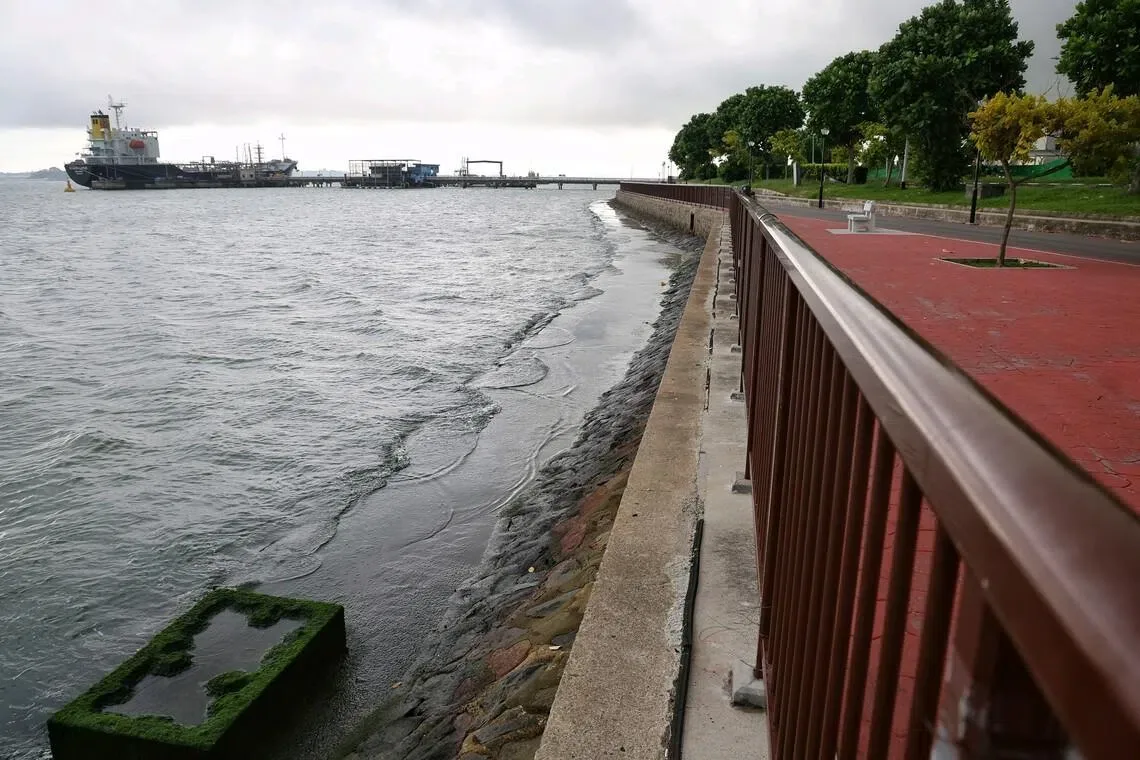
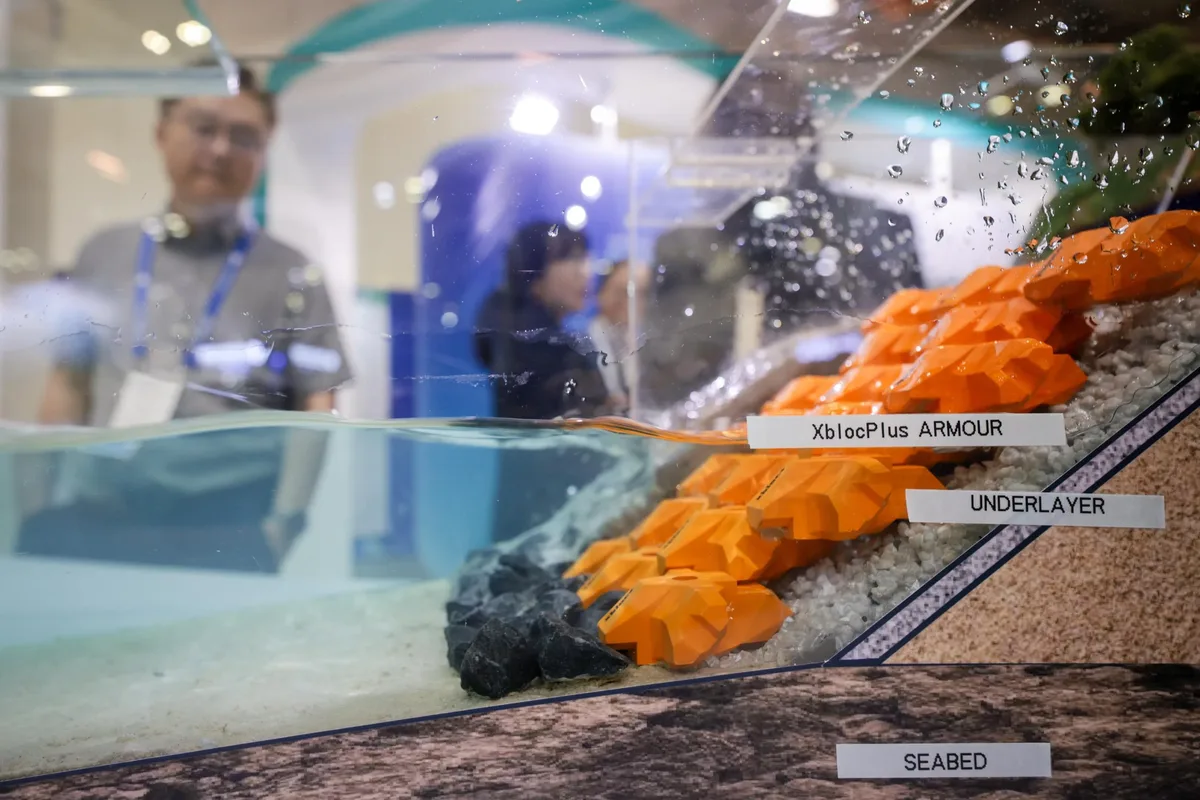
The projects will be trialed at Sentosa’s Tanjong Rimau, Changi, Yishun Dam, and East Coast Park, locations selected for their technical, operational, and environmental suitability [1, 2, 3]. One key project is a self-sealing "living seawall" off Changi that can adapt incrementally to rising sea levels while fostering marine biodiversity. Yang Zi Qian, managing director of Delta Marine Consultants, said the incremental build concept of the living seawall balances nature and infrastructure, noting, "We don’t build a giant seawall" but extend protection gradually as sea levels rise [1, 2, 3]. Another project at Sentosa will use interlocking concrete blocks to reduce wave impact and coastal erosion [1, 2, 3].
These projects are developed through a partnership of universities, contractors, and consultants collaborating to innovate coastal defense [1, 2, 3]. Grace Fu, Minister for Sustainability and the Environment, announced the initiative on June 17, 2026, at the Coastal and Flood Resilience Leaders Summit during Singapore International Water Week. She said, "By bringing together universities and industry players in these R&D projects, we can turn promising ideas into deployable solutions — and deployable solutions into infrastructure at scale." She emphasized the necessity of cooperative effort to address coastal and flood risks globally [1].
The Singapore government previously set aside $10 billion in 2020 for broad coastal and flood defenses [1, 2, 3]. The $14 million allocated under the Living Lab supports focused research projects intended to develop scalable solutions. Testing is planned to run over three years, after which results will be assessed to determine the feasibility of wider deployment for long-term coastal protection measures [1, 2, 3].