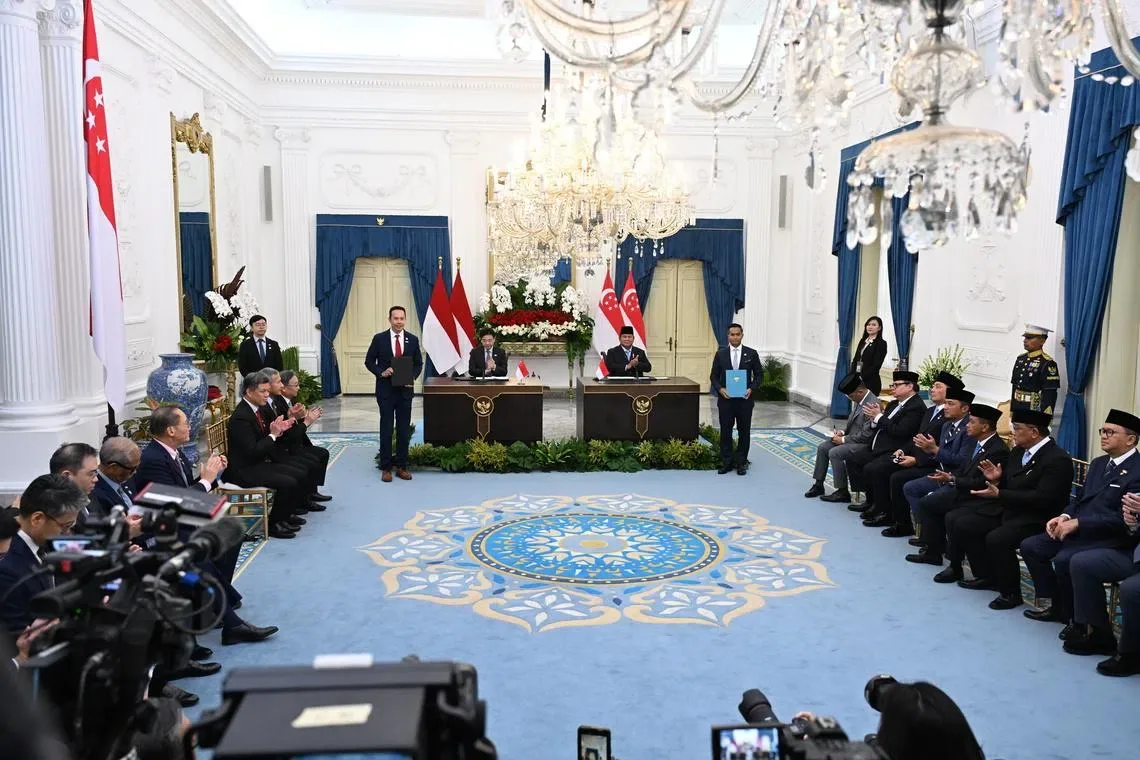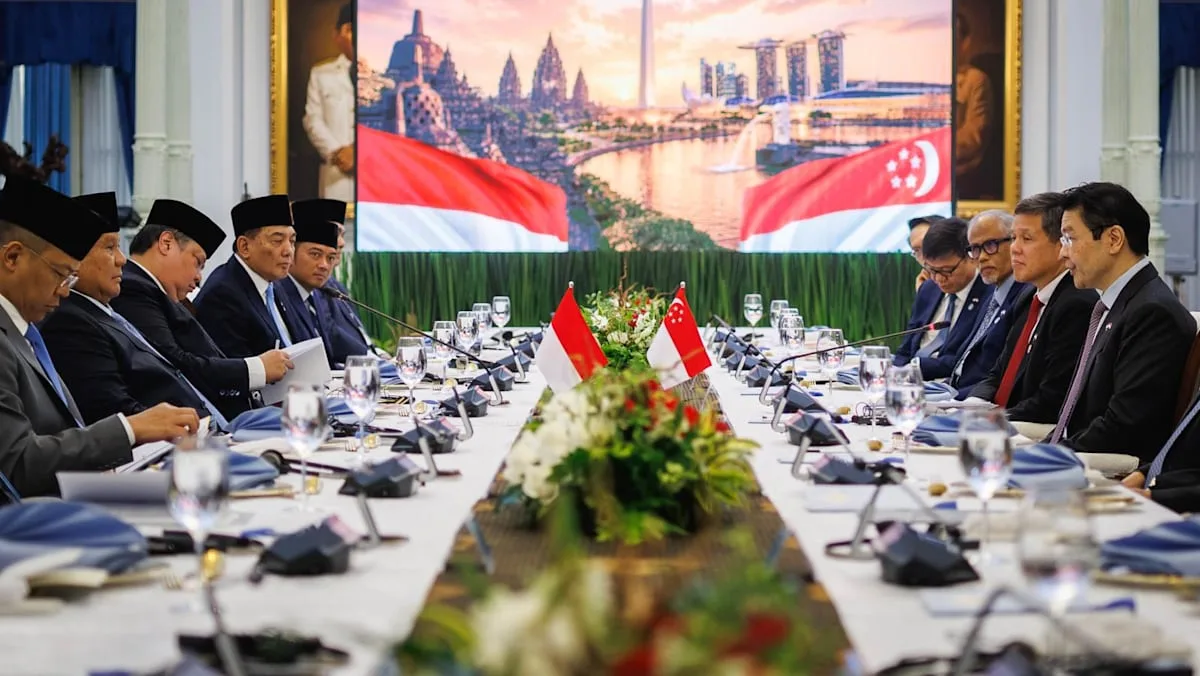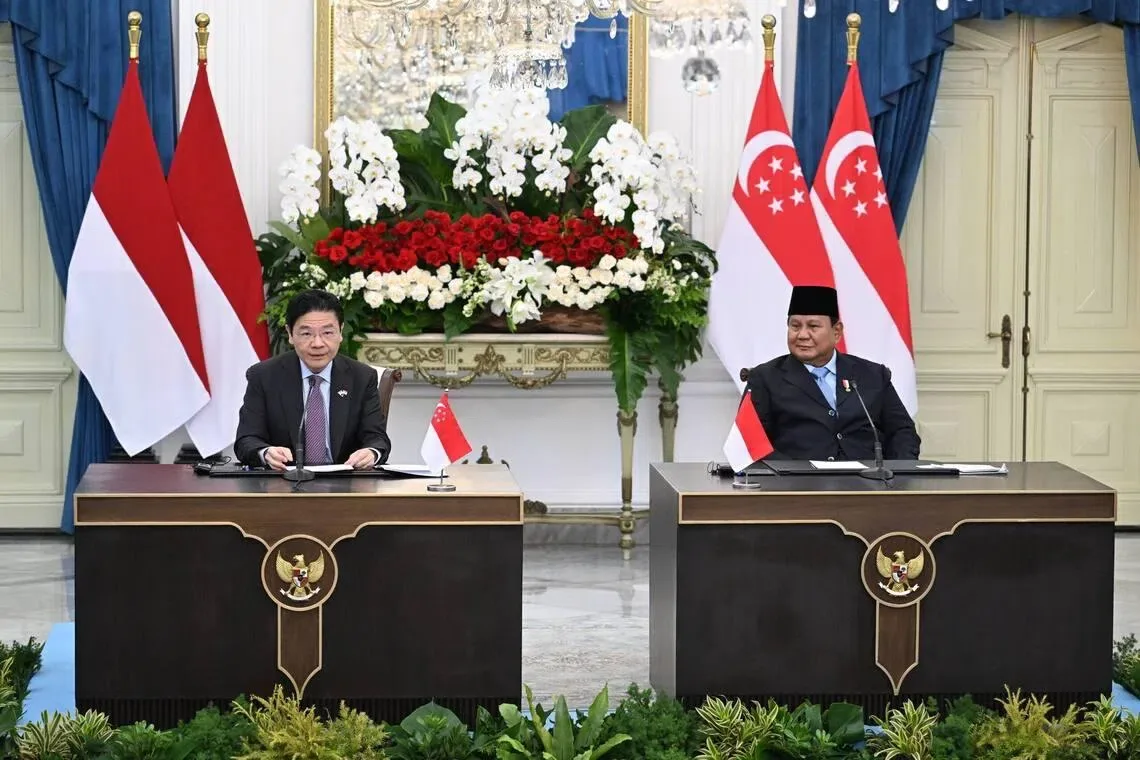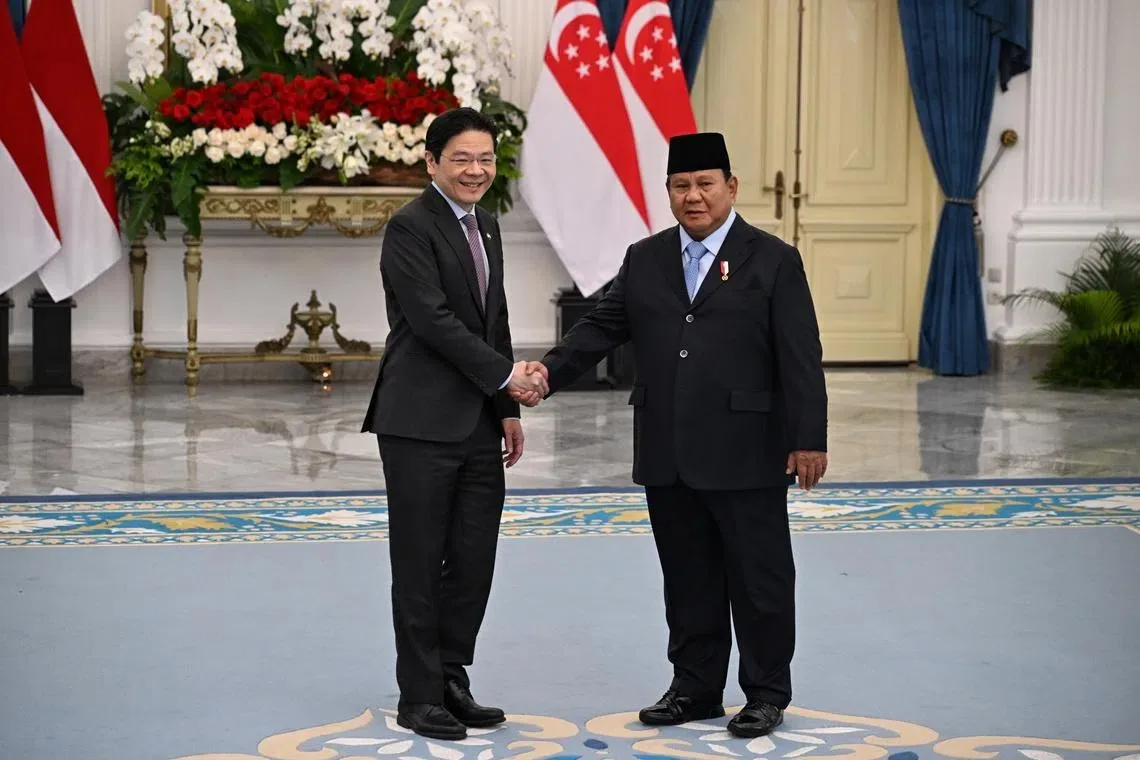
Singapore and Indonesia pledged on July 6 to keep the Strait of Malacca open, safe, and accessible to all parties, reaffirming their commitment to regional maritime security at the annual Leaders' Retreat in Jakarta [1, 2, 3, 4, 5, 6, 7]. Prime Minister Lawrence Wong and President Prabowo Subianto agreed the strait, one of the world's busiest maritime corridors connecting the Indian Ocean and South China Sea, is vital for global trade and energy supply [1, 3, 4, 6, 7].
President Prabowo emphasized the shared responsibility, stating, "Indonesia and Singapore are countries that directly border one another in the Strait of Malacca. We have a shared interest in maintaining the Strait of Malacca as a passage that is free for all parties." He added, "We must preserve security and peace in the strait, and also, of course, protect it from pollution, accidents, and from robbery or piracy" [1]. Prime Minister Wong underscored the importance of upholding navigational freedoms and rights of transit passage under the United Nations Convention on the Law of the Sea (UNCLOS), which guides cooperative efforts in the region [3].
The two leaders linked maritime security in the Strait of Malacca to regional stability amid ongoing global geopolitical uncertainties, including disruptions in the Middle East. The conflict affecting the Strait of Hormuz has impacted global energy markets and trade, highlighting the need for free passage through key waterways [3, 6, 7]. In June 2026, the US and Iran signed a memorandum of understanding to pause hostilities and resume passage through the Strait of Hormuz [3].
Singapore and Indonesia also agreed to deepen cooperation on renewable energy, cross-border electricity trade, digital infrastructure, and supply chain resilience [1, 2, 4, 5, 7]. The talks reflected growing bilateral ties beyond trade and investment into strategic cooperation, ahead of the 60th anniversary of diplomatic relations in 2027 [1, 2, 4, 5]. Prime Minister Wong described the Leaders’ Retreat as "a unique feature of the Singapore-Indonesia relationship," marked by close ties and mutual trust [4].
Bilateral merchandise trade between the two countries reached US$32.9 billion in 2025 [8]. That year, the Strait of Malacca handled over 102,500 vessel transits, carrying about 23.2 million barrels of oil per day, accounting for roughly 22% of global maritime trade [6]. Indonesia will continue coordinating with Malaysia and Thailand to ensure the strait remains open and safe, consistent with UNCLOS [1, 2, 3, 6, 7].
Both countries pledged to keep markets open, maintain unimpeded trade flows, strengthen regional supply chains, and coordinate on essential goods and energy supply movements [8]. President Prabowo concluded, "Prosperity will never come without peace and stability" [4].