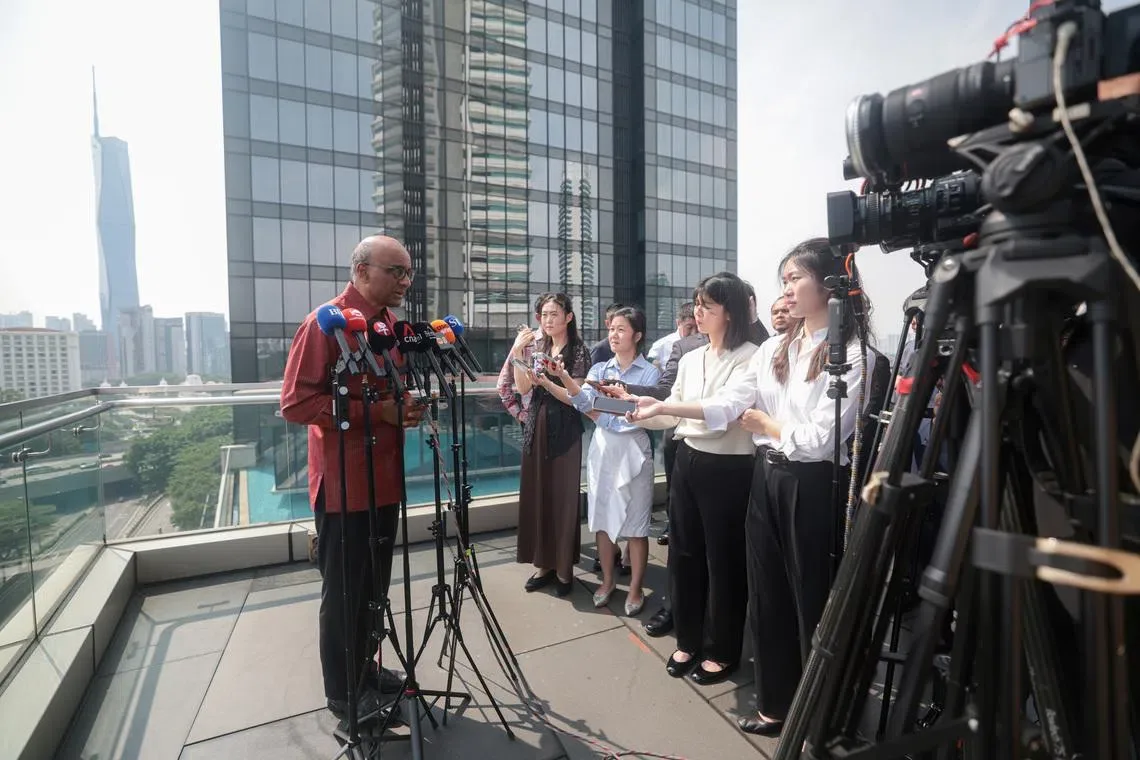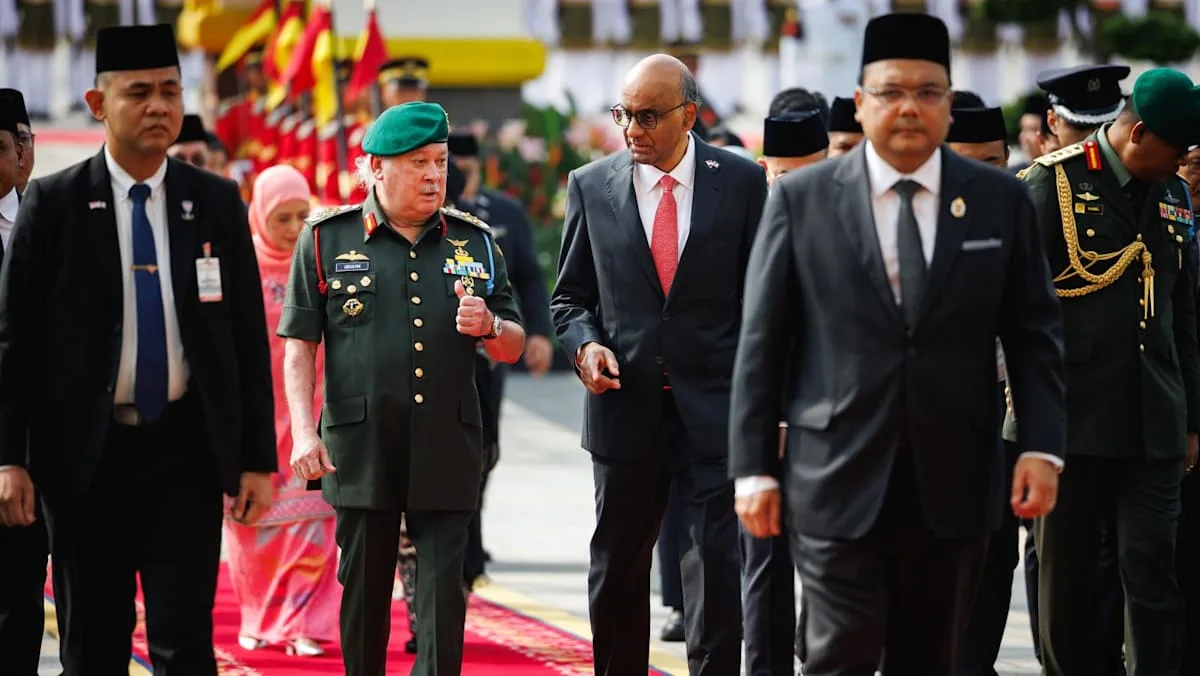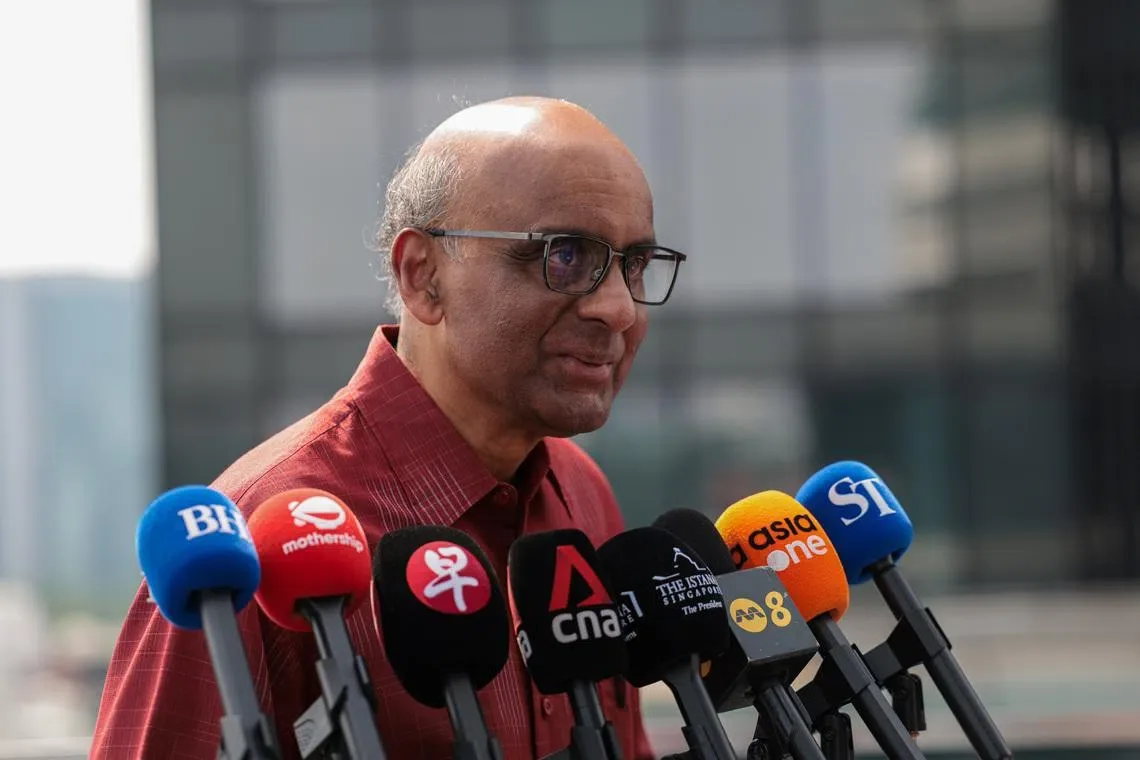
Singapore and Malaysia agreed on a shared vision for ASEAN to become a leader in green energy, data centers, and the digital economy, aiming to enhance regional cooperation and market strength. This vision was emphasized during Singapore President Tharman Shanmugaratnam's state visit to Malaysia on July 15, 2026 [1, 2, 3, 4, 5].
The two countries also committed to jointly managing the Straits of Malacca and Singapore under international law to ensure safe navigation without tolls or fees, establishing a precedent for peaceful maritime cooperation [1, 2, 3, 5].
President Tharman acknowledged that deeper economic integration carries trade-offs, saying, "We have to accept that, with the larger win, there will be some losses. And that is a mature way of thinking about the bilateral relationship, on both sides" [4]. While some Singapore businesses may face challenges, both nations expect overall benefits from closer ties.
Expansion of economic collaboration includes youth exchanges and cultural programs aimed at building lasting cross-generation friendships, strengthening bilateral ties beyond just economics [1, 2, 3, 5]. The Johor-Singapore Special Economic Zone (JS-SEZ), established in 2025, supports this by facilitating investment, talent flows, and cross-border business activities [4].
The Johor Bahru-Singapore Rapid Transit System (RTS) Link is expected to begin operations in January 2027, improving connectivity between Woodlands in Singapore and Johor Bahru in Malaysia [4].
Singapore is slated to take over the ASEAN chairmanship from the Philippines in 2027. President Tharman said, "So we have very similar thinking on ASEAN, and Malaysia is keen to work closely with Singapore on regional initiatives as we take on the chairmanship of ASEAN next year" [1, 4]. He also stressed the national interest for ASEAN countries to join forces on green energy, processing power, and the digital economy [4].
The coming year will see these plans put into action as Singapore steps into its ASEAN leadership role and infrastructure projects like the RTS Link come online, marking concrete steps toward the shared vision between the two neighbors.