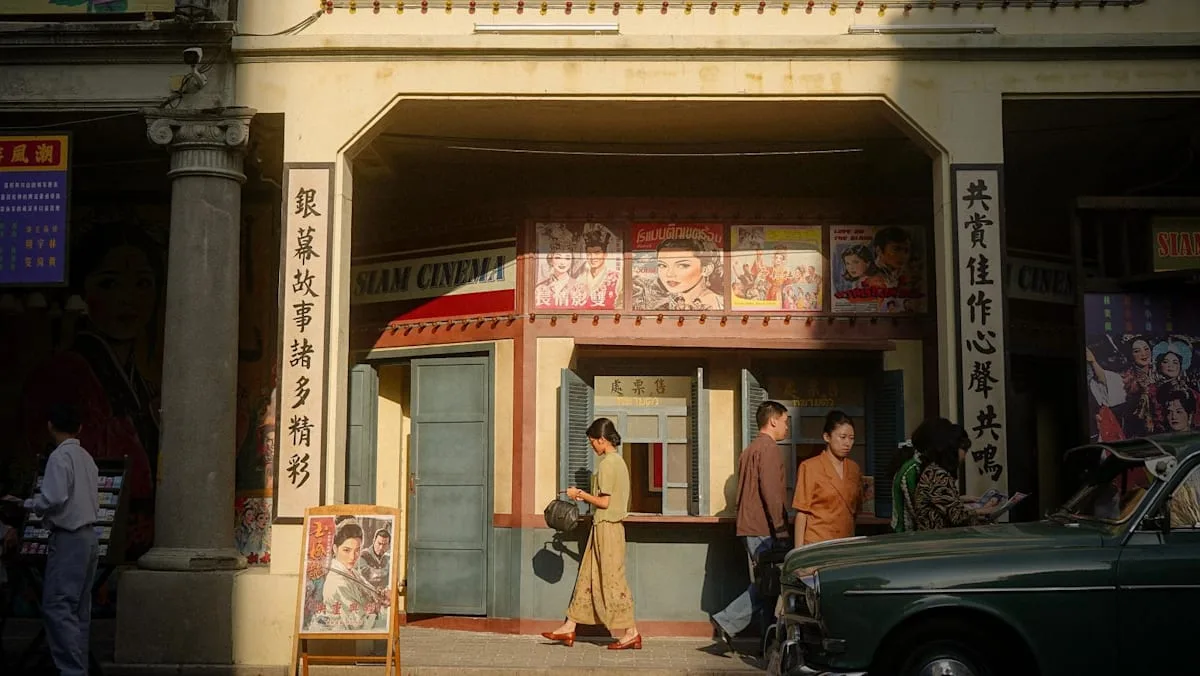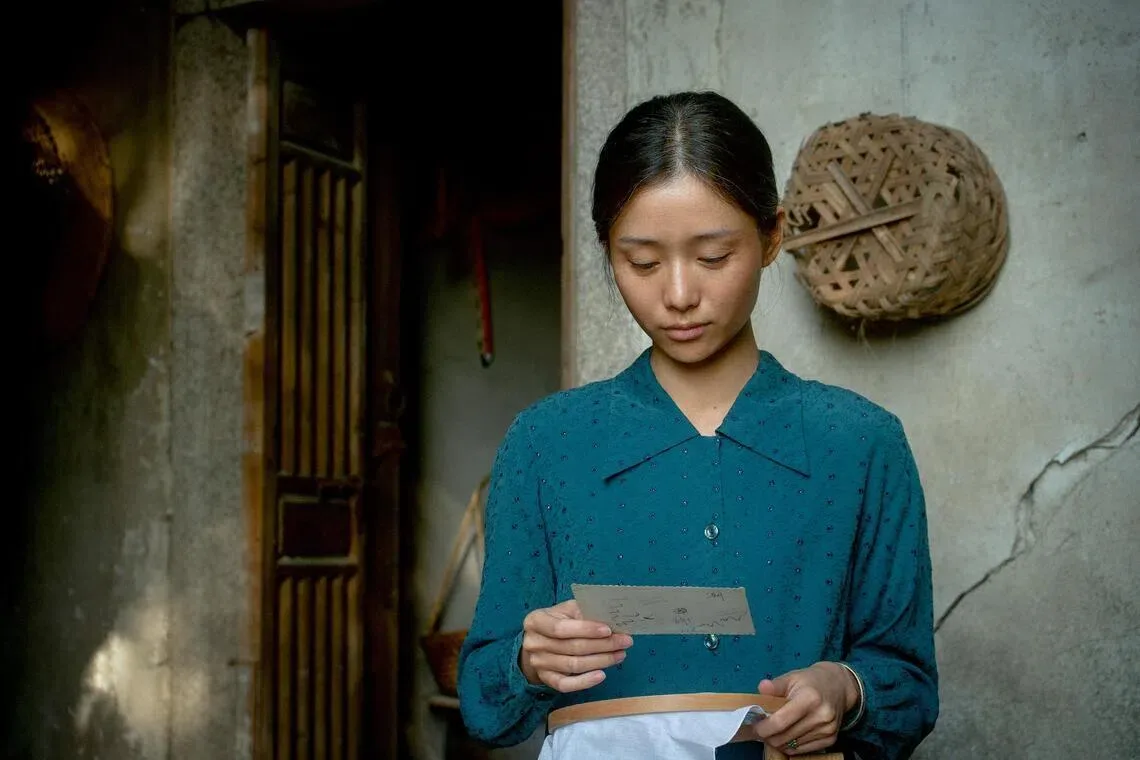
The Infocomm Media Development Authority (IMDA) has approved 100 more screenings of the Teochew-language film Dear You, increasing the total approved screenings to 272, with the possibility of further approvals based on audience demand [1].
This latest approval comes amid a government review of Singapore’s film classification framework regarding dialect use in movies. On July 7, Senior Minister of State for Digital Development and Information Tan Kiat How announced in Parliament that the review aims to balance increased space for dialects while maintaining the importance of Mandarin [2, 3, 4]. He said, "We recognise that the circumstances have changed since these guidelines were first introduced" and added, "There is therefore scope to consider how we can expand the space for dialects, while continuing to uphold the importance of Mandarin" [1, 2].
Initially, IMDA restricted the general release of Dear You to its Mandarin-dubbed version. The original Teochew version was only shown at premieres and niche festival screenings [2, 3, 4]. Tan explained that "for cinemas, we are prepared to allow more screenings of dialect-language films, so as to provide audiences with greater access to such content" [4].
Beyond films, no dialect restrictions apply to arts performances or content on internet and streaming platforms [1, 2]. However, the government maintains that Mandarin should remain the main language for free-to-air television and radio, with Tan stating, "On free-to-air television and radio, we believe that Mandarin should continue to be the mainstay" [3].
A 2026 survey conducted by Nanyang Technological University found strong public support for loosening dialect restrictions in media. Among respondents, 95% supported original-language dialect films being shown, 87% disagreed that dialects impede learning Mandarin or English, and 84% rejected the notion that dialect broadcasting harms the standing of Mandarin or English [5, 6, 7].
Members of Parliament broadly agreed during the July debate on preserving dialects as cultural heritage while discussing how far media restrictions should be relaxed [5, 6, 7]. The government plans to proceed cautiously with incremental changes rather than sweeping rewrites of dialect policies [5, 6, 7].
IMDA’s approval of additional screenings of the Teochew version of Dear You today represents a concrete step in this ongoing review process [1].