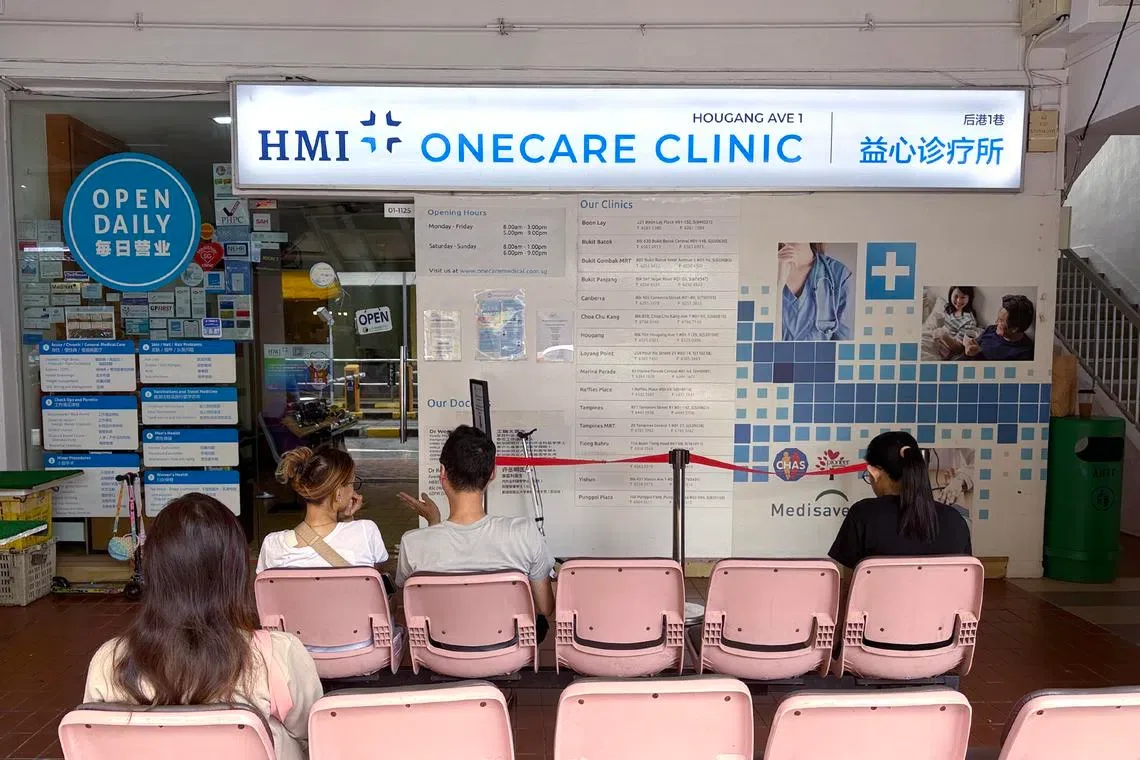
Singapore’s government increased funding for general practitioner (GP) clinics from $230 million in 2022 to approximately $350 million by 2025, according to Ministry of Health data [1, 2, 3]. The average government allocation per clinic now exceeds $140,000 annually.
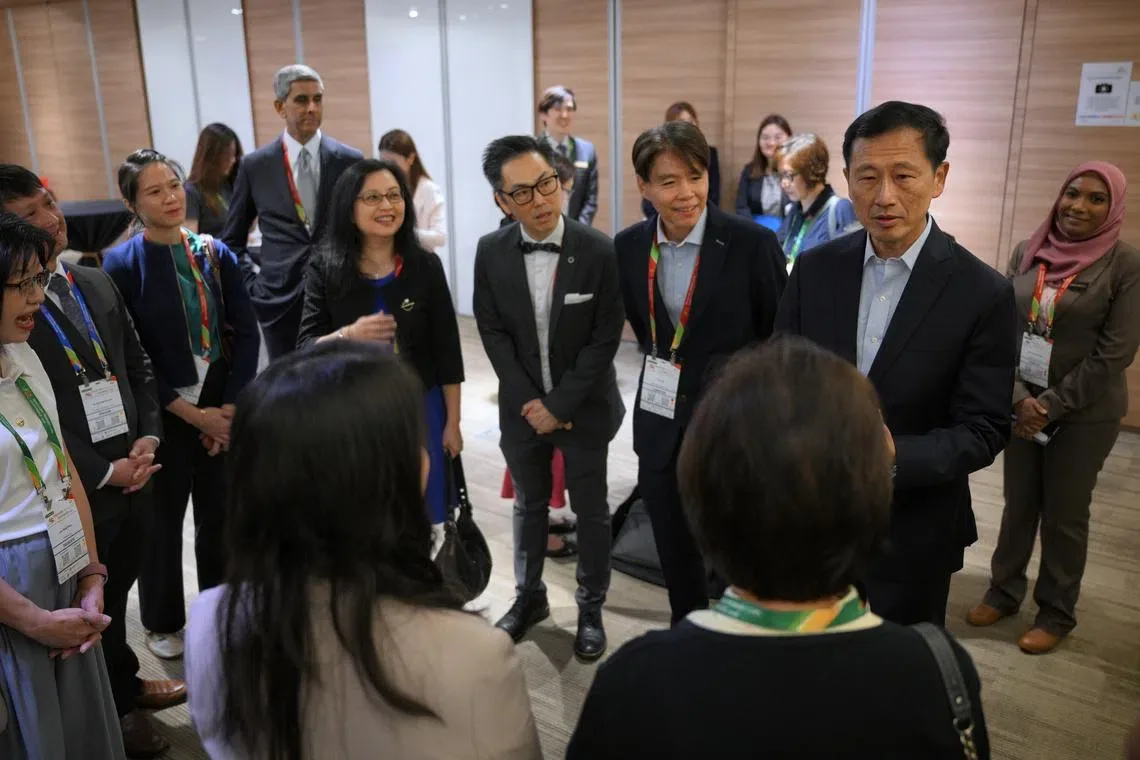
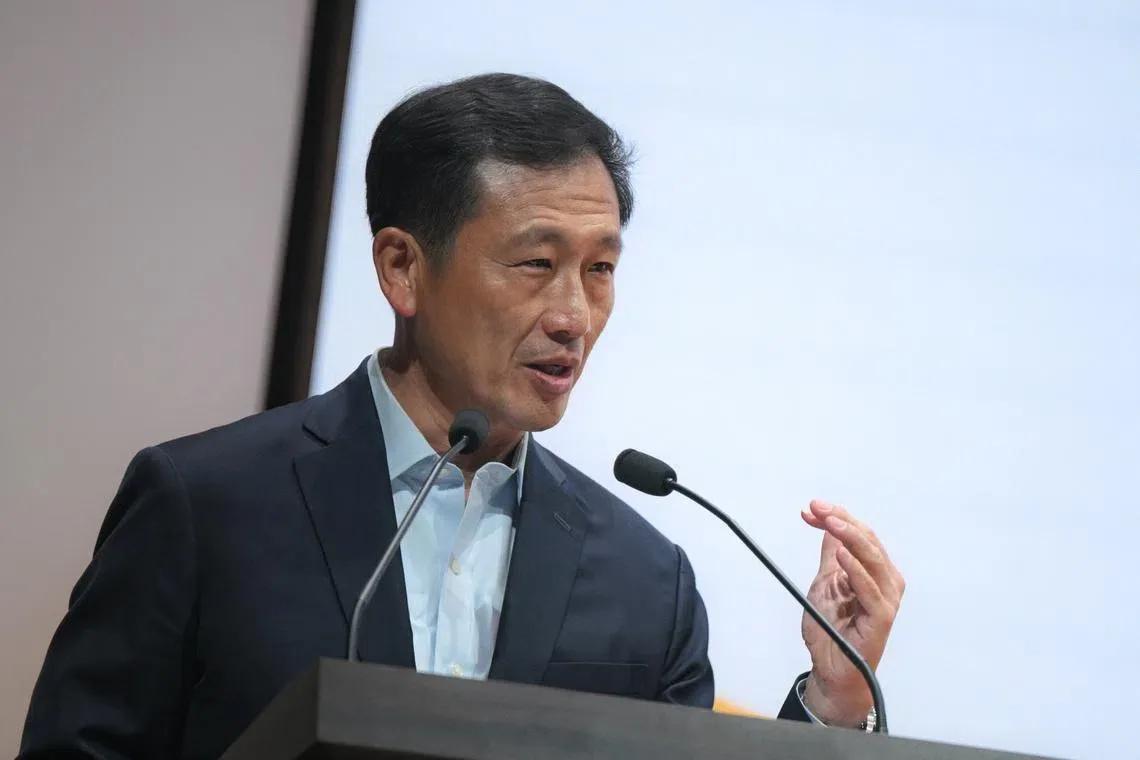
The funding rise supports Singapore’s Healthier SG strategy, which shifts focus to earlier, community-level preventive care and chronic condition management [1, 2, 3]. Health Minister Ong Ye Kung said at the Singapore Primary Care Conference on May 15 that as medication mark-up revenues decline due to competition, government grants and service fees will compensate clinics for population health efforts.
"This means that as revenue from medication mark-ups comes down because of competition and other factors, it can be made up, or more than made up, by Government payments and service fees for population health," Ong said [1]. He added that primary care clinics will require new capabilities and approaches to deliver expanded chronic and preventive care.
The Ministry of Health disburses grants and service fees directly to GP clinics under programs like CHAS and Healthier SG [1, 2, 3]. Many GPs currently work solo, but managing chronic diseases effectively requires team-based care models such as the "teamlet" care approach used in polyclinics. An internal MOH study found this model improves screening adherence and follow-up for chronic patients while reducing complications over time [1, 2, 3].
GPs can also join Primary Care Networks to cooperate and hire more healthcare staff, enabling the shift to team-based care [1, 2, 3]. Expanded access to costly diagnostic tools, including X-rays, ultrasound, and retinal cameras, will be made available at GP clinics to aid early detection and monitoring.
While primary care costs have risen slightly, these are offset by savings from fewer hospital admissions and specialist visits [1, 2, 3]. The Ministry plans to explore ways to expand subsidised ancillary and diagnostic services for Healthier SG enrollee at Community Health Posts or polyclinics.
Health Minister Ong spoke about the funding increase and its role in preventive care at the primary care conference on May 15, 2026 [1, 2, 3]. The government continues to prioritize strengthening community healthcare to reduce the national burden of chronic diseases.