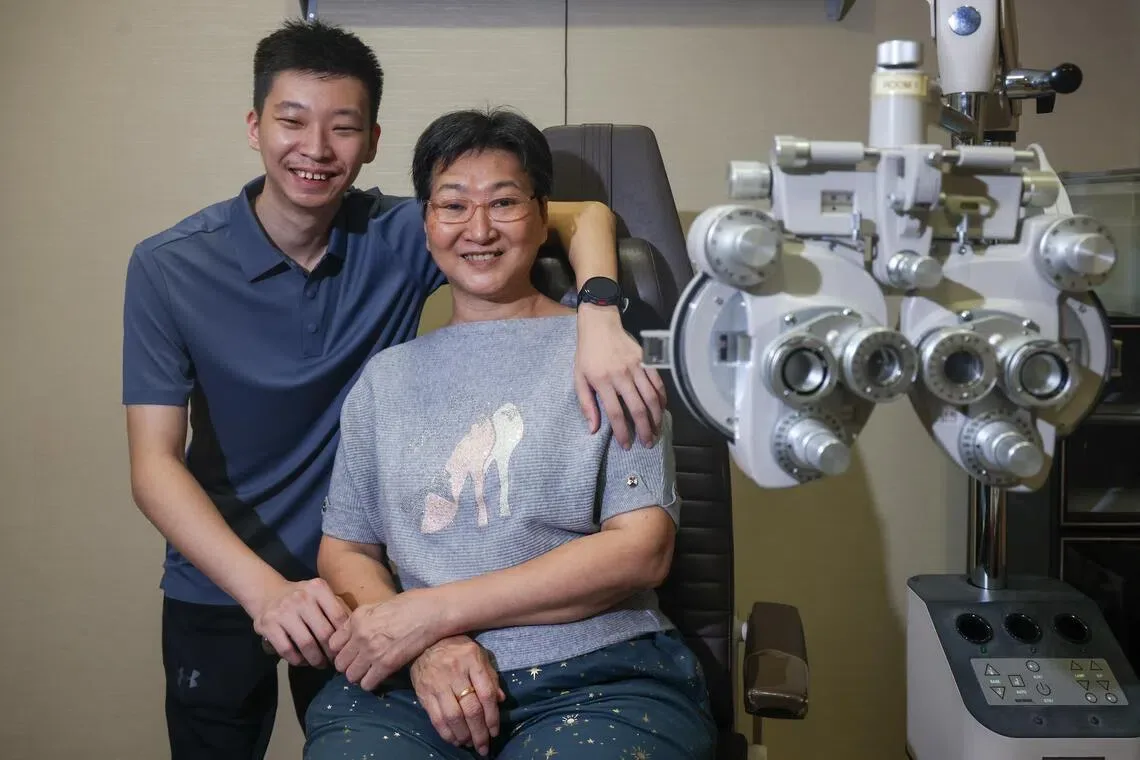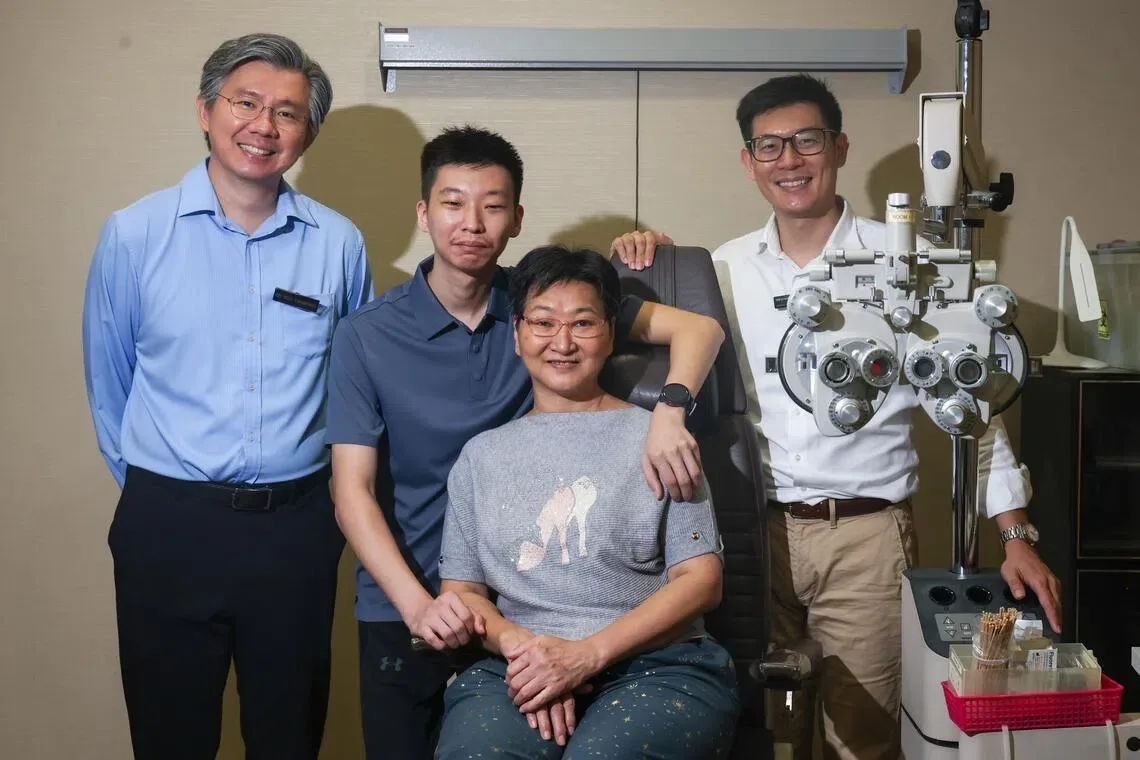
Tan Lee Chern, a 58-year-old cashier in Singapore, began experiencing sudden blurry vision in her left eye in November 2025. She initially visited an optician hoping for a new pair of spectacles, saying, "It lasted for a couple of days and at first I thought I was not having enough sleep. As it worsened, I thought... a new pair of spectacles with a simple prescription change was what I needed" [1].
Her vision deteriorated rapidly, with Tan describing feeling "like there was a black netting over it" and noting the worsening as if a black shade was pulled halfway down, leaving only a narrow slit for sight. The optician advised her to go immediately to the emergency department, concerned the symptoms could indicate a stroke [1, 2, 3, 4].
Tan was admitted to Woodlands Hospital, where doctors conducted extensive tests and scans. After ruling out various conditions, medical staff suspected an immune system disorder [1, 2, 3, 4]. She was then referred to specialists at Tan Tock Seng Hospital (TTSH), where an ophthalmologist at the NHG Eye Institute suspected inflammation of the optic nerve [1, 2, 3, 4].
Subsequent diagnosis confirmed neuromyelitis optica spectrum disorder (NMOSD). NMOSD is a rare, chronic autoimmune disease that attacks the central nervous system, primarily affecting the eyes and spinal cord. The condition often causes rapid vision loss or severe neurological symptoms due to antibodies targeting nervous tissue [1, 2, 3, 4].
Assistant Professor Yeo Tianrong from the National Neuroscience Institute at TTSH, who heads the neurology department, has been involved in Tan’s care. There is currently no cure for NMOSD. Treatments such as plasma exchange and immunotherapy aim to prevent relapses and manage symptoms [1, 2, 3, 4].
Tan's treatment costs range between 50,000 and 60,000 SGD. Despite receiving treatment, her vision remains impaired. She recalled feeling scared and apprehensive upon diagnosis. "I was also told I needed to go for immediate treatment, otherwise I would be blind quite quickly," she said [1, 2, 3, 4].
Tan's case highlights the importance of prompt assessment following sudden vision changes. She continues to receive medical care at TTSH as doctors monitor her condition and treatment response [1, 2, 3, 4].