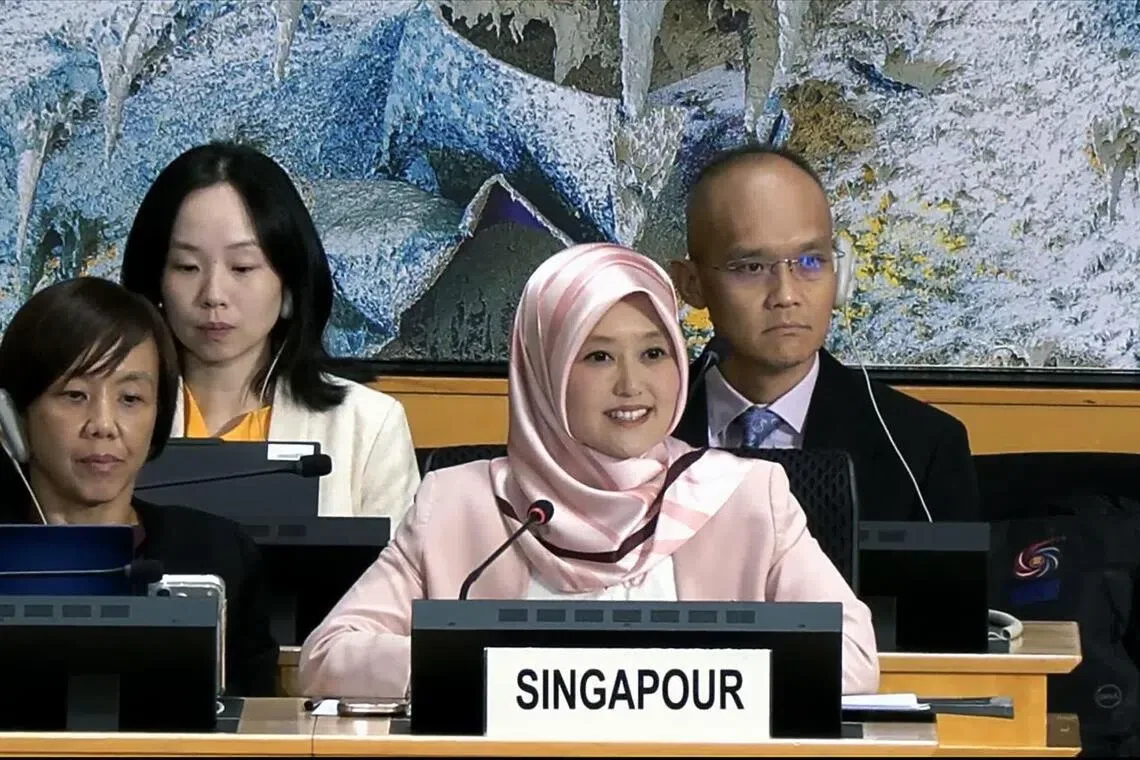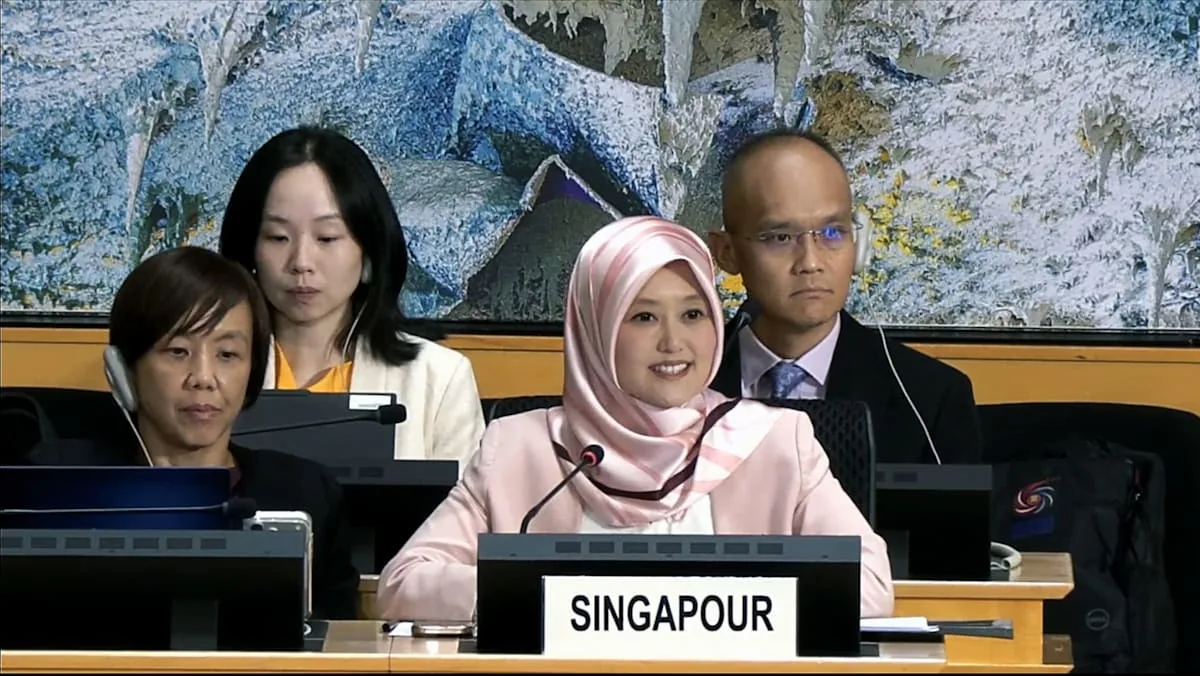
Singapore presented its human rights record during the United Nations Human Rights Council's Universal Periodic Review on May 12, 2026, led by Minister of State Rahayu Mahzam [1, 2]. The delegation emphasized that the country’s criminal justice policies, including the death penalty, comply with international law and are tailored to Singapore’s national context. Mahzam said, "Each country has to approach the protection of human rights in ways that take into account its own national context and social realities" [1, 2].
The review session involved 142 states, some of which—such as New Zealand, Lithuania, and Portugal—urged Singapore to impose an immediate moratorium on executions and eventually abolish the death penalty [1, 2]. The calls come amid concerns over Singapore executing 17 individuals in 2025, the highest annual number since 2003 [2].
Singapore responded by highlighting its pragmatic, results-based approach to human rights. It noted significant improvements such as a rise in life expectancy from 64 years at independence in 1965 to 84 years today. The country also cited near-universal access to primary and secondary education and its ranking as the third least corrupt nation in Transparency International’s 2025 Corruption Perceptions Index [2]. Mahzam said, "We judge progress by lives improved, and our outcomes have been encouraging. There is always more to do." [2]
The delegation thanked other states for recognizing advances in workplace anti-discrimination laws, the status of women, support for vulnerable groups, racial and religious harmony, sustainable development efforts, and migrant worker welfare [1].
This marks Singapore’s fourth Universal Periodic Review since joining the United Nations [1, 2]. The government’s detailed presentation and responses reflect its continued engagement with international human rights mechanisms.
No subsequent UN sessions or deadlines related to Singapore’s review have been announced yet.