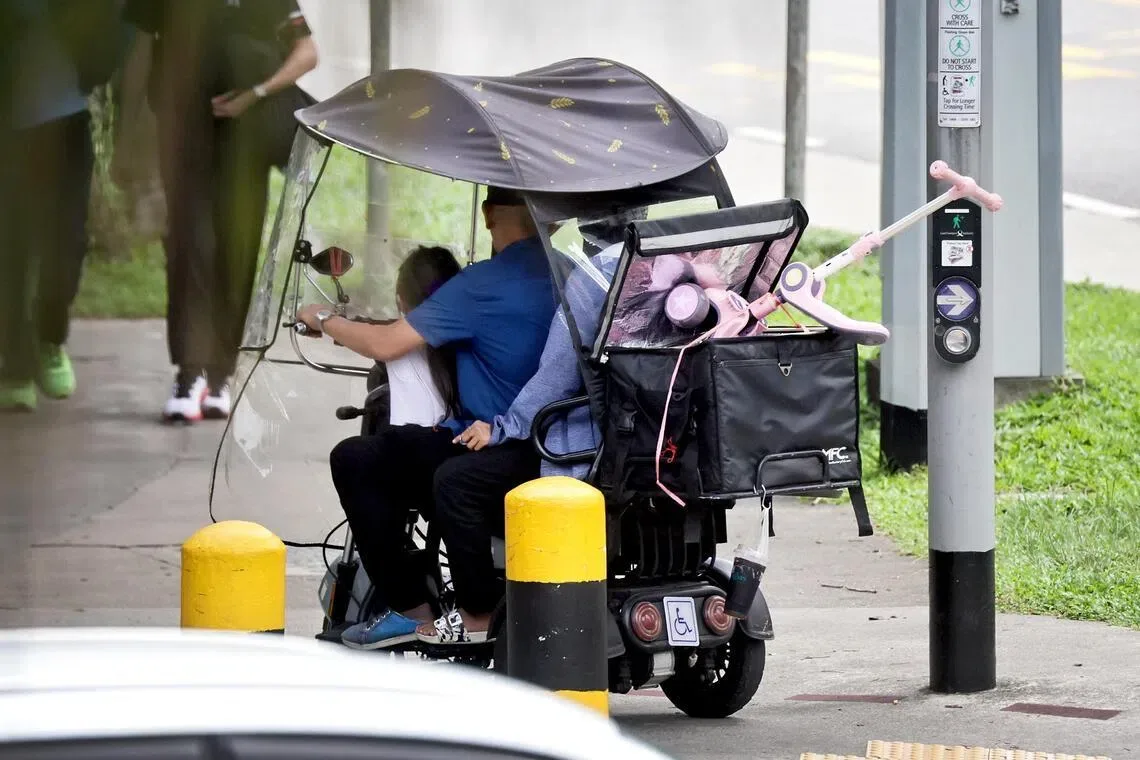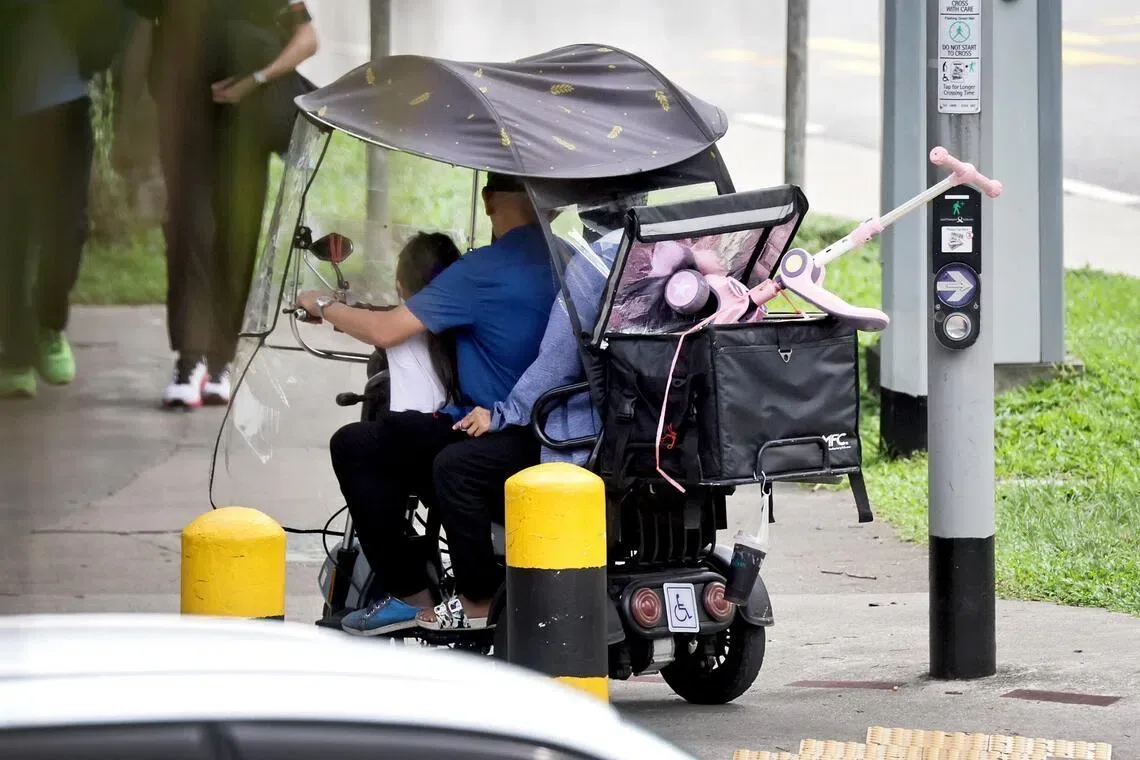
New regulations on mobility scooters and personal mobility aids (PMAs) came into effect in Singapore on June 1, requiring retailers to verify buyers' medical eligibility and register ownership transfers through the Land Transport Authority's OneMotoring website [1, 2, 3, 4]. PMAs include mobility scooters and motorised wheelchairs, which are now subject to stricter controls to improve safety and accountability.
Retailers must register mobility scooters before displaying, advertising, or selling them. They began booking registration appointments on April 27, with appointments available from early May [1, 2, 3, 4]. ELFIGO Mobility founder Warren Chew said his company struggled to secure time slots to register and tag PMAs at inspection centers, highlighting administrative bottlenecks [1]. ELFIGO had registered about 30 mobility scooters by early June and planned to register another 40 the following week [1, 2, 3, 4].
The new rules impose significant costs and effort on retailers. MOBOT raised prices by $100 per mobility aid to cover registration, inspection fees, logistics, and manpower required under the new regulations [1, 2, 3, 4]. Chew Boon Hur, MOBOT's general manager, said they hired an extra staff member just to handle customer questions and manage ownership transfers. Buyers have five days to accept ownership transfer via the Singpass app, with MOBOT sending reminders to prevent missed deadlines [1].
A key requirement mandates all mobility scooter users under age 70 provide a medical certificate proving legitimate medical need before purchase [1, 2, 3, 4]. The maximum allowable PMA dimensions for use on public paths are 120cm wide, 70cm deep, 150cm high, and a laden weight of 300kg unless exempted [1, 2, 3, 4].
The speed limit for PMAs on public paths has been lowered from 10 km/h to 6 km/h under the new regulations [1, 2, 3, 4]. Some users expressed concerns that the lower speed will extend travel times and pose safety challenges [1, 2, 3, 4]. Retailers have also spent time and money constructing brackets to attach identification tags to PMAs as required.
The new regime adds administrative burden and cost but sets a clear framework for PMA ownership and use in Singapore. Retailers and users alike have had to adjust to medical certification rules, registration processes, ownership transfer deadlines, and lower speed limits. The registration system continues to operate, with follow-up appointments ongoing and more mobility scooters scheduled for registration in the coming weeks [1, 2, 3, 4].