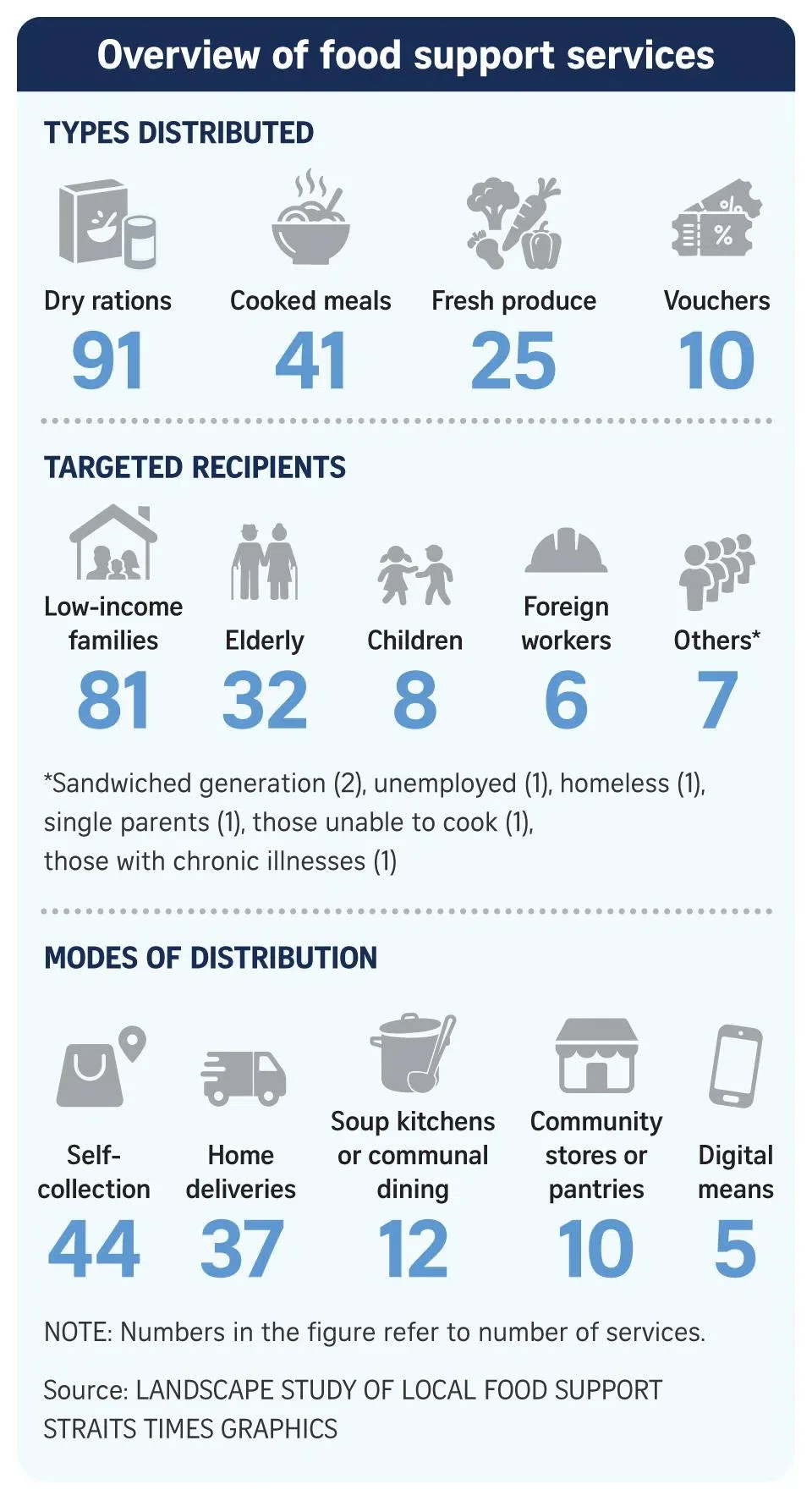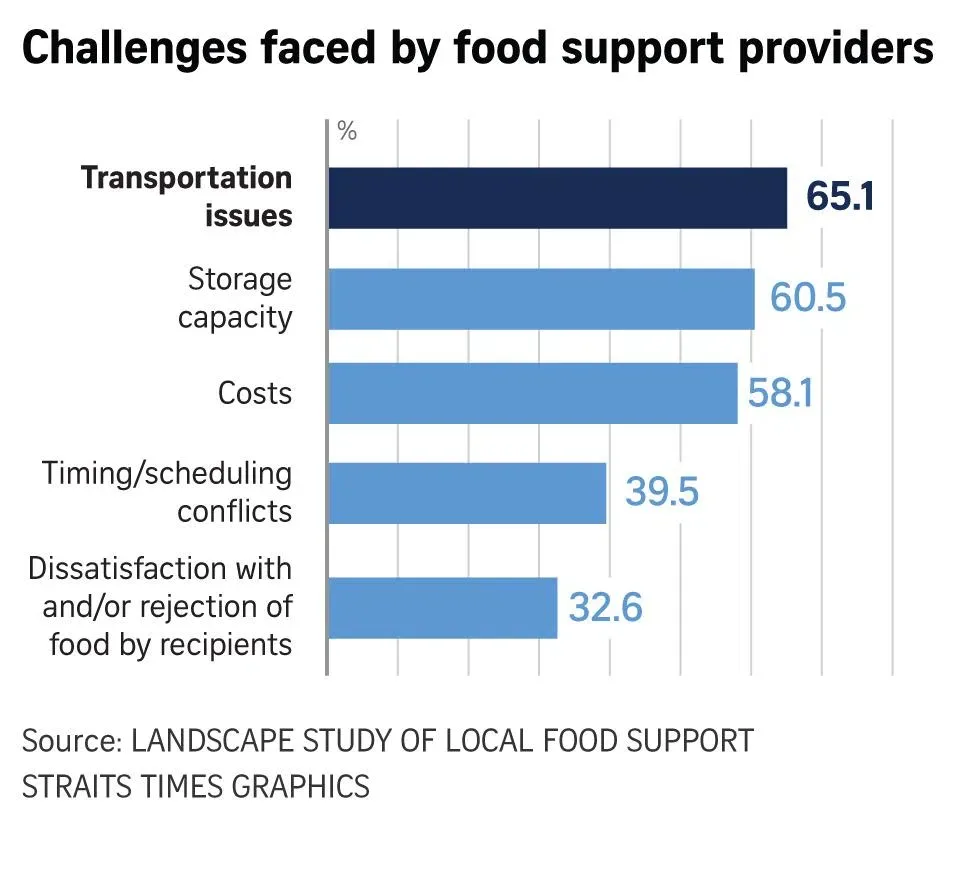
Food charities across Singapore face severe practical constraints such as transport, storage, manpower, and funding, which limit their ability to distribute food despite receiving sufficient donations, according to a recent study [1, 2, 3]. The report identified 146 organisations involved in distributing food to those in need, although not all may currently be active [1, 2, 3].
The study surveyed 52 food charities and groups online and conducted in-depth interviews with 26 organisations from April to November 2025 to gather detailed insights into operational challenges [1, 2, 3]. The research was commissioned by The Food Bank Singapore and led by the Institute of Policy Studies (IPS) [1, 2, 3].
Senior Parliamentary Secretary for Social and Family Development Eric Chua said, “There’s a lot of heart in the community...but there’s not a lot of coordination,” highlighting gaps that affect food distribution efforts [1]. The study points to a lack of coordination and shared infrastructure as major barriers.
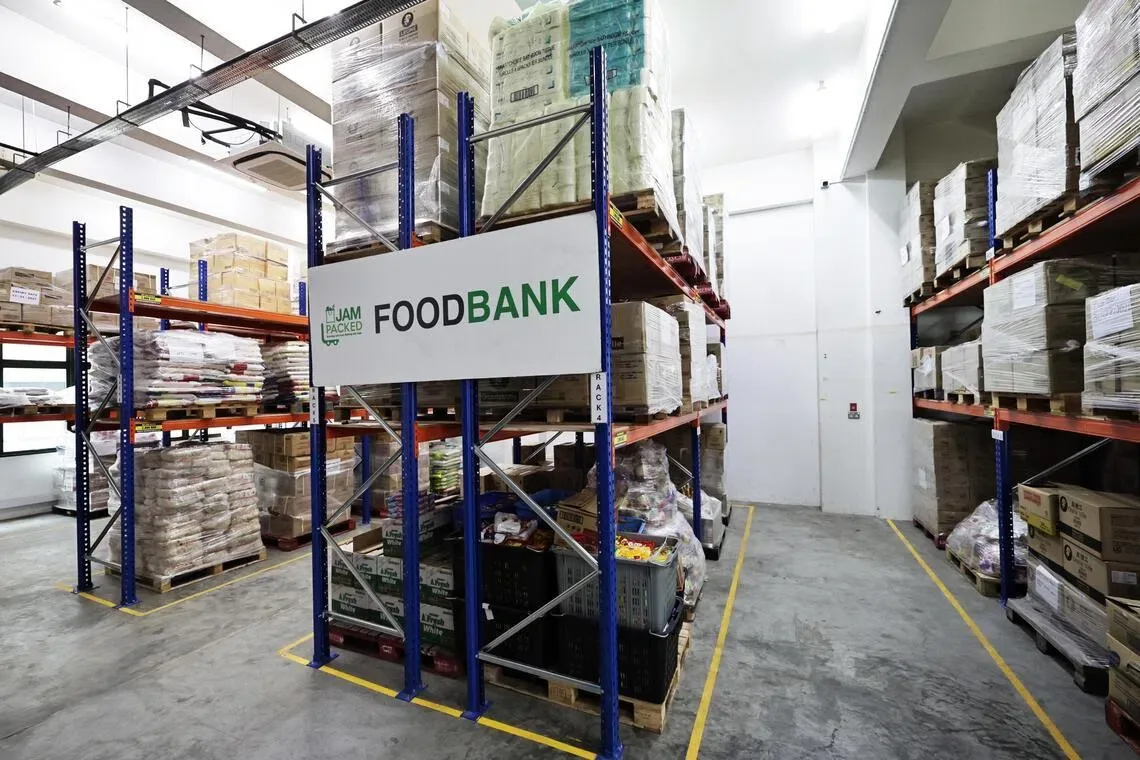
Researchers recommended several measures to improve food security and distribution efficiency in Singapore. These include a household screening tool to better identify needy families, shared infrastructure such as a centralised warehouse to help with storage and transport, and a pilot project at the town level to implement better coordination [1, 2, 3].
The study also noted that food-insecure households often face multiple challenges beyond food shortage, such as unemployment and mental health issues, complicating assistance efforts [1, 2, 3].
The findings were published in the third edition of the Hunger Report, released on May 15, 2026 [1, 2, 3]. The report signals an ongoing need to address capacity and coordination gaps among Singapore’s food charities to ensure food reaches those who need it most.