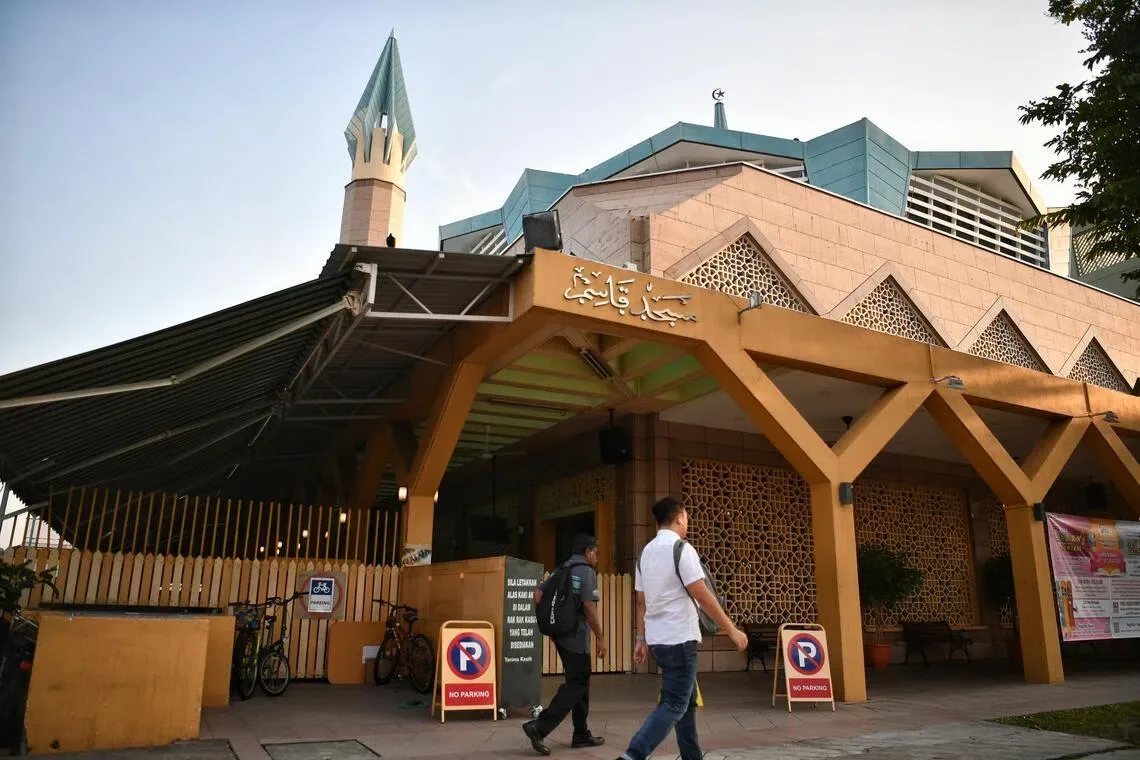
Fauziyah Mohd Ahbidin lost her claim to receive two-fifths of the income generated by wakaf properties created by her grandfather, Ahna Mohamed Kassim Ally Mohamed, in 1932. The properties include land used for Masjid Kassim and Kubur Kassim burial grounds in Singapore [1, 2].
The High Court ruled on May 14, 2026, that Kassim followed the Shafie school of Islam, which holds that wakaf trusts are irrevocable and cannot be varied or altered after their founding. The court rejected Fauziyah’s argument that her grandfather was Hanafi, a sect where some minority views permit variation of wakaf. A 1962 probate filing where Kassim’s son—Fauziyah’s father—declared that Kassim was a follower of the Shafie school proved crucial in the court’s decision [1, 2].
The wakaf assets are held by the Islamic Religious Council of Singapore (MUIS), which preserves the original property in perpetuity and distributes income to designated beneficiaries according to the trust deed [1, 2].
The court stressed the importance of upholding established legal principles governing wakaf, warning that permitting changes to the trust would harm the integrity of the institution [1, 2].
Fauziyah launched her legal claim in 2019, seeking a share of the income from the wakaf properties. The properties were established by her grandfather before he died in 1935 [1, 2].
Following the High Court's ruling, Fauziyah has filed an appeal against the decision, continuing her bid to amend the distribution of income from the wakaf trusts [1, 2].