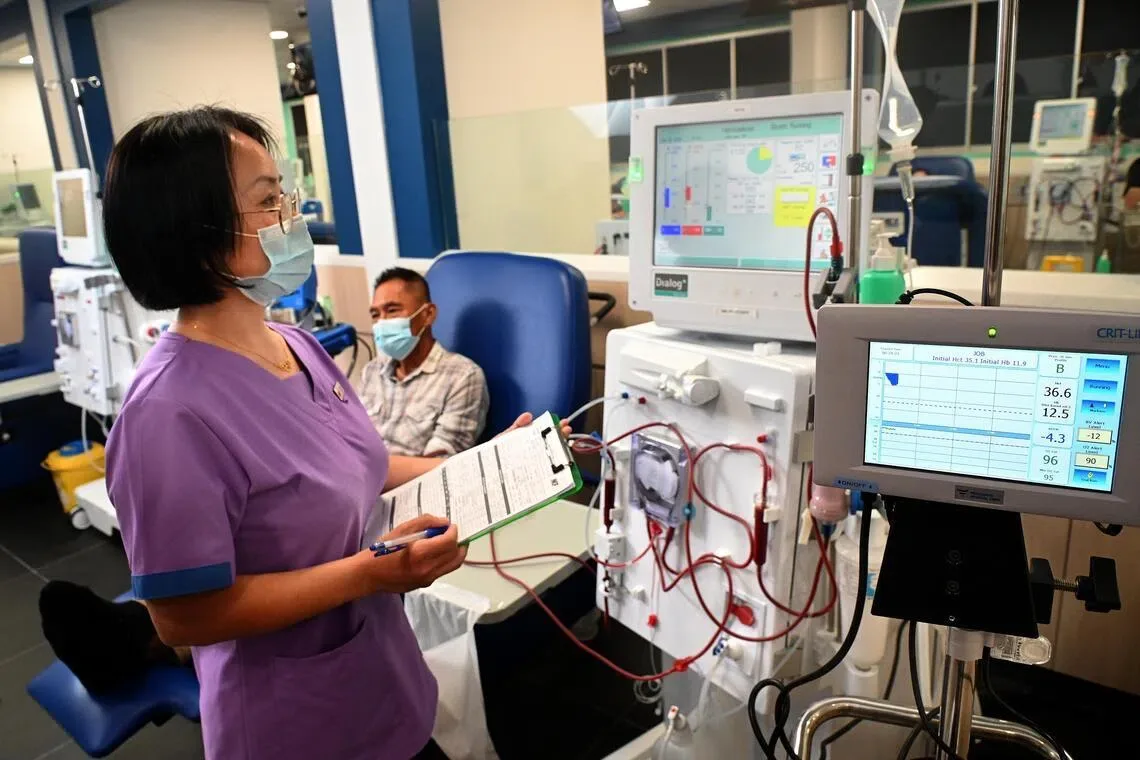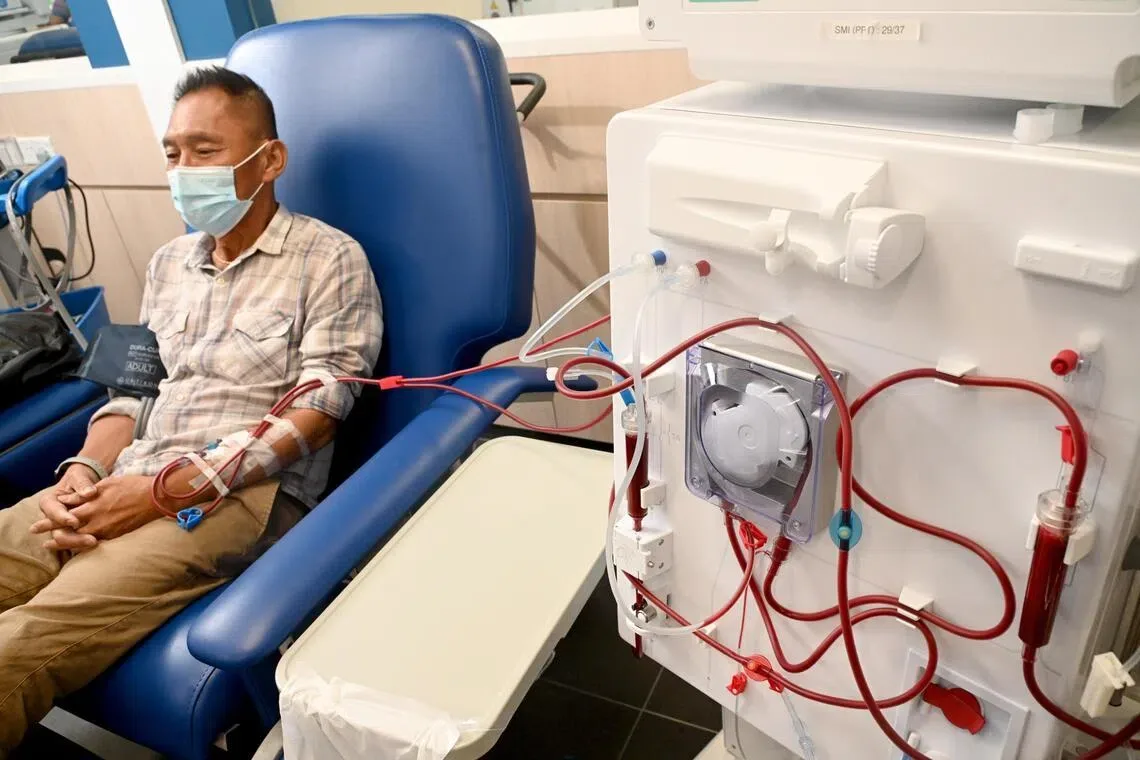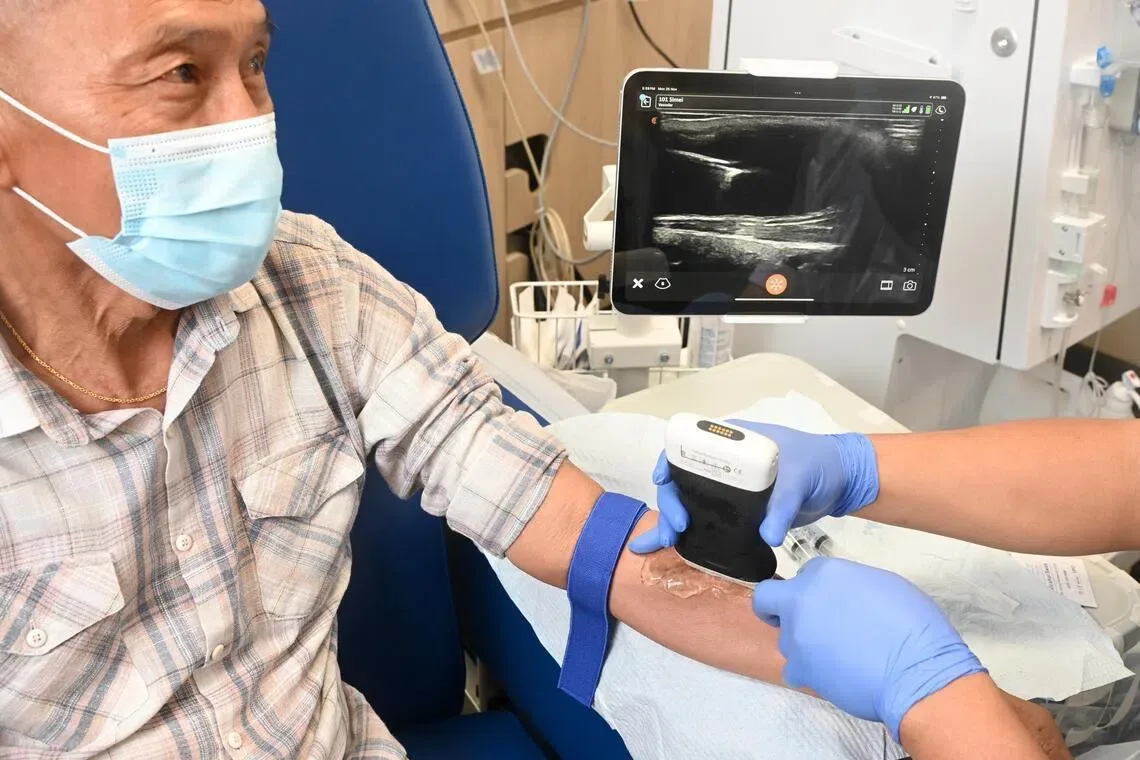
The National Kidney Foundation (NKF) and three leading public hospitals in Singapore have started a $9 million pilot programme named Renalssance to integrate palliative care earlier for patients with advanced chronic kidney disease (CKD) [1, 2, 3]. The four-year initiative aims to reach more than 5,260 patients, including roughly 1,500 patients each from National University Hospital (NUH), Singapore General Hospital (SGH), and Tan Tock Seng Hospital (TTSH), plus 760 patients from NKF [1, 2, 3].
CKD affects about 14% of Singaporeans and is traditionally treated with dialysis once the disease reaches an advanced stage [1, 2, 3]. Renalssance seeks to challenge this "dialysis by default" mindset by introducing earlier discussions of palliative care options or non-dialysis community support, giving patients more informed choices [1, 2, 3].
Kwek Jia Liang, senior consultant at SGH’s renal medicine department, said dialysis may not always be the best option for frail seniors or those with serious conditions such as cancer and cardiovascular disease. He noted such patients often gain little lifespan extension but suffer side effects including nausea, muscle cramps, and headaches [1].
He added that international studies indicate patients aged 80 and older with multiple illnesses may only extend their lives by about two years on dialysis, much of which is spent in healthcare facilities due to complications [3].
The pilot includes training for hospital staff to initiate conversations about palliative care early in the treatment journey for advanced CKD patients [1, 2, 3]. By integrating palliative care sooner, the project aims to align treatment with patients’ quality-of-life preferences alongside medical needs.
The Renalssance programme was officially announced by NKF and its hospital partners on June 1, 2026 [1, 2, 3]. The four-year timeline means the pilot will run until mid-2030, after which results and patient outcomes will be assessed to inform wider adoption.