The number of Singapore citizens and permanent residents under 35 living alone more than doubled from 10,500 in 2016 to 22,600 in 2025, according to Department of Statistics data [1, 2, 3]. This growing trend has driven new housing initiatives to support young adults seeking privacy and independence.
In July 2026, the government launched an independent living program under the SG Youth Plan. It offers more than 100 subsidised rental units through two private co-living operators. The scheme targets Singaporeans aged 21 to 35, providing affordable and flexible rental options [4, 5, 6, 7, 8].
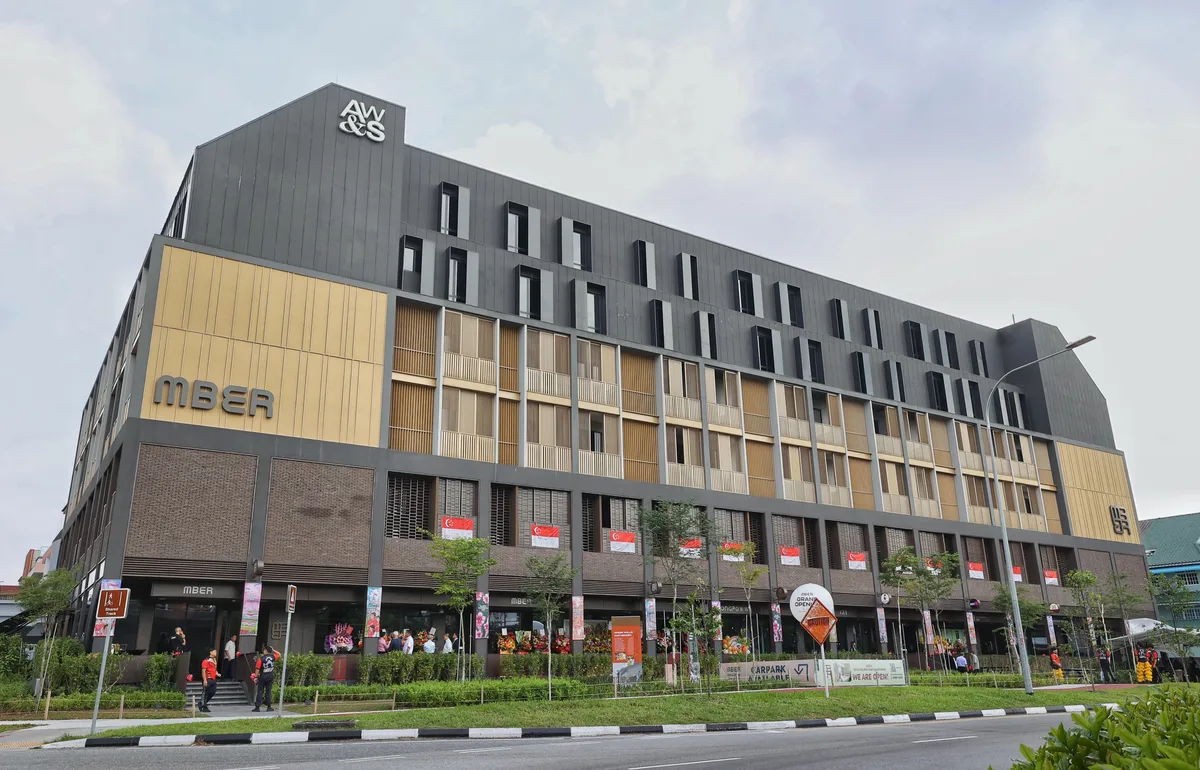
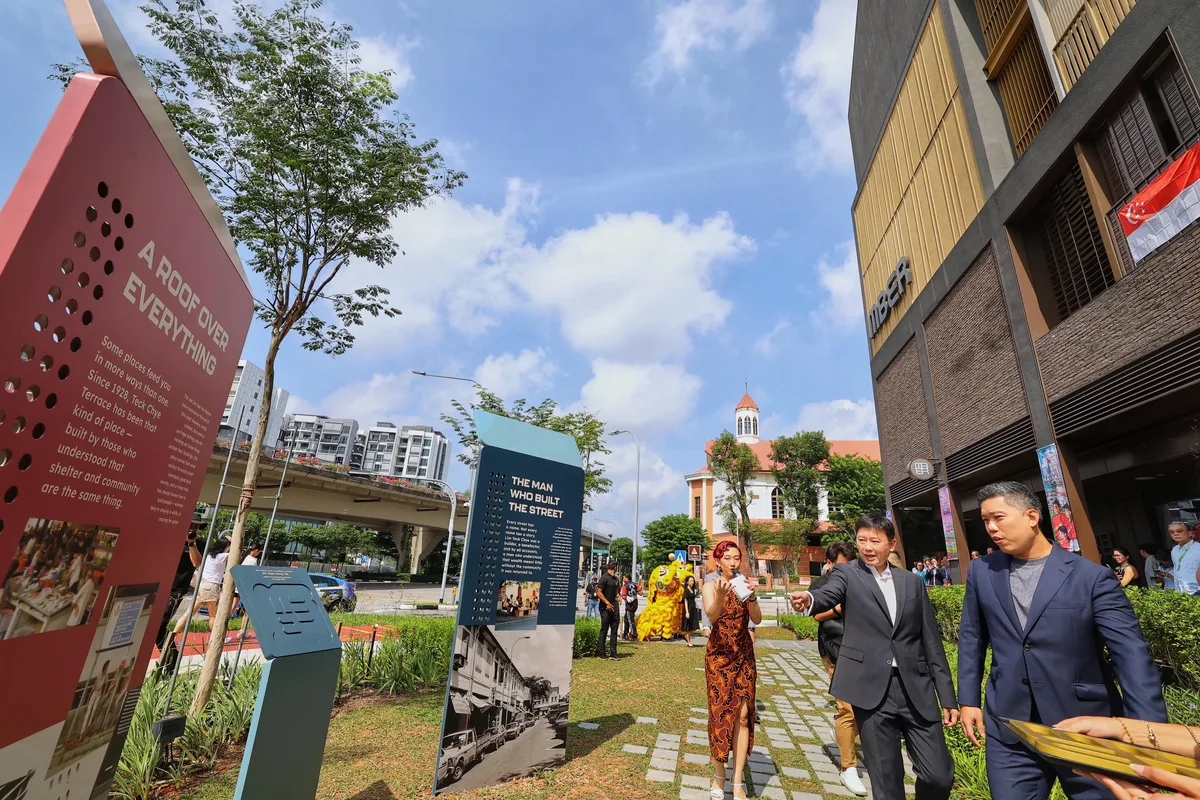
National Development Minister Chee Hong Tat spoke at the opening of Mber Co-Living in Serangoon on August 3, 2026. He said, "While homeownership remains a key tenet of Singapore’s social compact, we recognise that there is also demand for flexible accommodation options, such as by younger Singaporeans who are looking to rent initially before buying their own homes." He added, "Maybe not forever, but for that period before you buy a home. I think this is something that will enrich and give greater options, greater diversity to our housing market" [4, 5].
The government is also exploring additional rental housing models including long-stay serviced apartments, co-living spaces, and Build-To-Rent projects to meet the flexible accommodation needs of younger residents [4, 5, 6, 7, 8]. A pilot for long-stay serviced apartments began in December 2023, with locations in Thomson and Zion offered under government land sales [8].
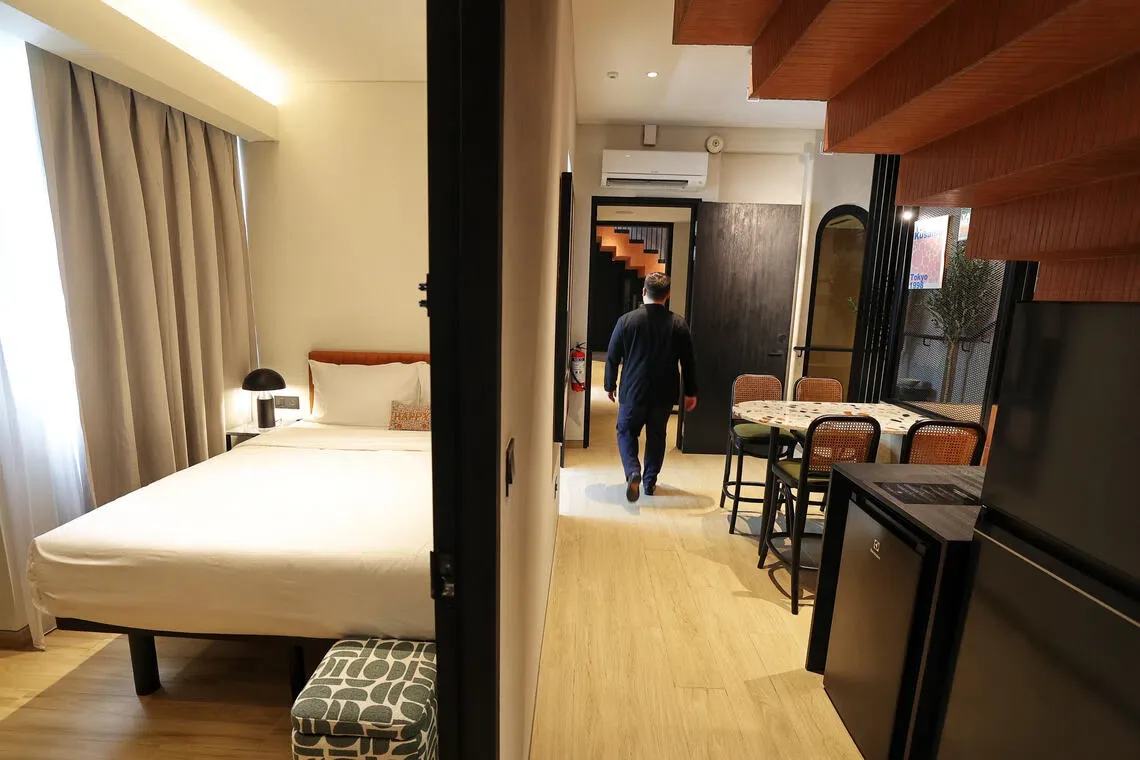
Mber Co-Living, located on a site formerly occupied by Lim Tua Tow Market, blends heritage architecture with modern amenities. It features private ensuite rooms, serviced apartments, and shared communal spaces like dining rooms, yoga and meditation sky rooms, rooftop and herb gardens, and indoor-outdoor gyms [4, 5, 6, 7, 8].
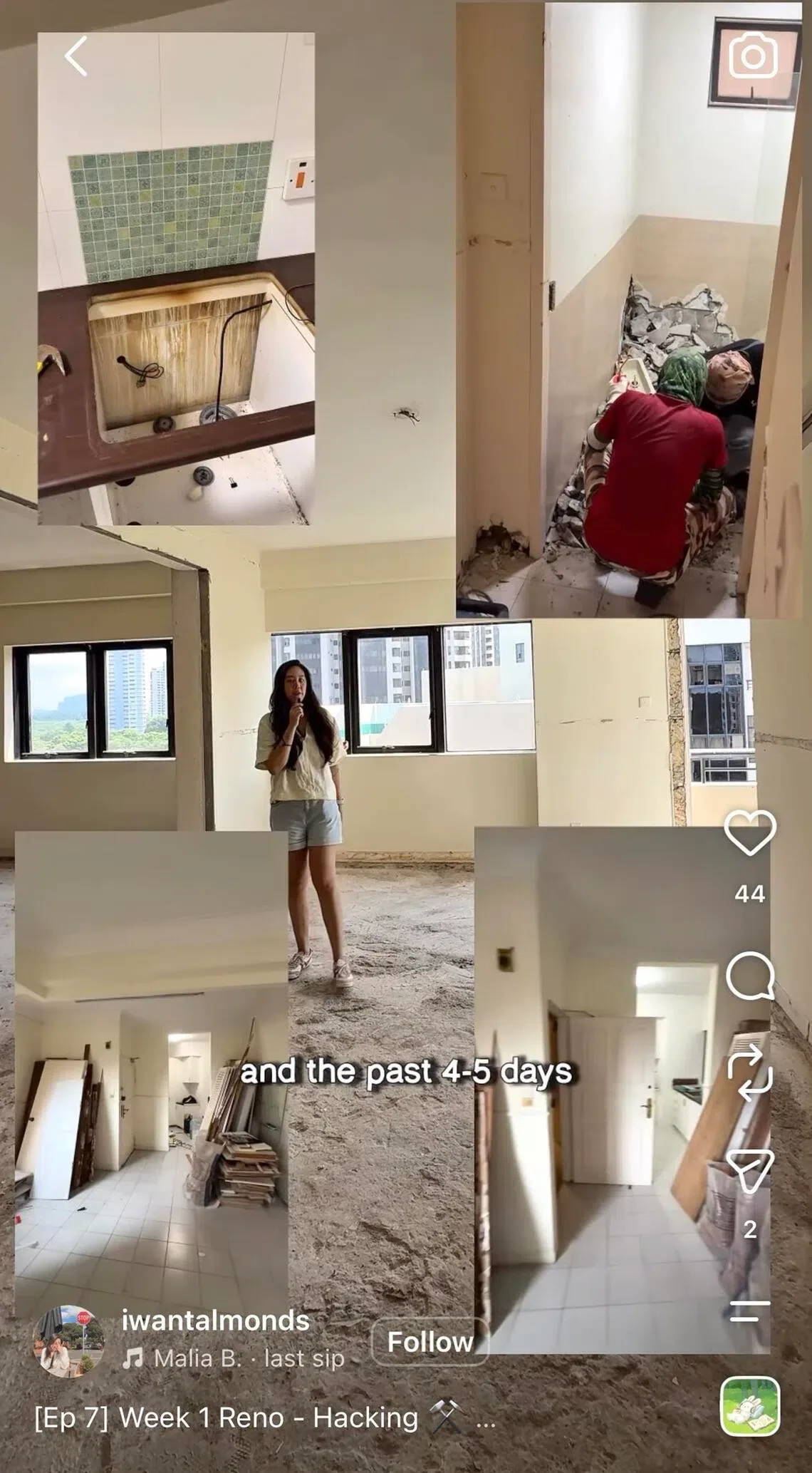
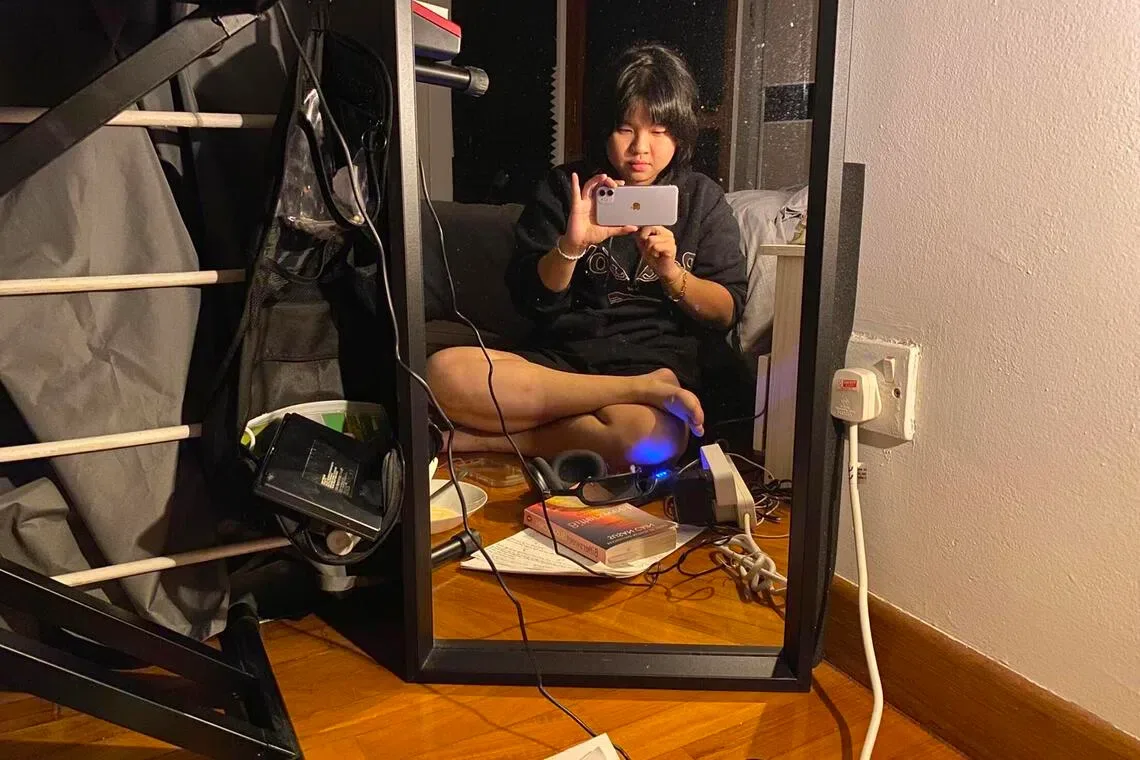
Young Singaporeans such as Kaelen Ong and Alicia illustrate the desire for independent living. Kaelen left her childhood home in 2024 seeking privacy and space to grieve, saying, "It felt like (there was) pressure to have to continue living my life (normally)." Alicia chose co-living over renting Housing Board rooms for more freedom and social interaction: "I want my own freedom." Co-living appeals for its shared amenities, flexible leases, and chance to meet peers [1, 2, 3].
The new subsidised co-living units are open to eligible Singaporeans aged 21 to 35 and mark a concrete step in broadening housing choices. The government intends to continue studying and expanding flexible rental options to cater to changing preferences among young adults [4, 5, 6, 7, 8].