Singapore's elected presidency, Group Representation Constituency (GRC), and Non-Constituency Member of Parliament (NCMP) schemes have served the country well and stood the test of time, said former Deputy Prime Minister S. Jayakumar and Senior Minister Lee Hsien Loong in recent public discussions and writings [1, 2, 3, 4, 5].
The elected presidency, introduced in 1991, provides a custodial check on government power to spend national reserves and make key public appointments. The GRC system ensures minority representation in Parliament, while the NCMP scheme guarantees opposition representation, securing diverse parliamentary voices [2, 3, 4, 5].
These three political institutions were shaped by robust, candid, and detailed Cabinet discussions exploring various options before final decisions were made. Jayakumar, who was involved in drafting the laws, emphasized that all possibilities were examined ‘‘before the die is cast’’ and the policies announced. He acknowledged some opposition quarters viewed the laws as attempts ‘‘to fix the opposition’’ at different stages [2, 3, 4, 5].
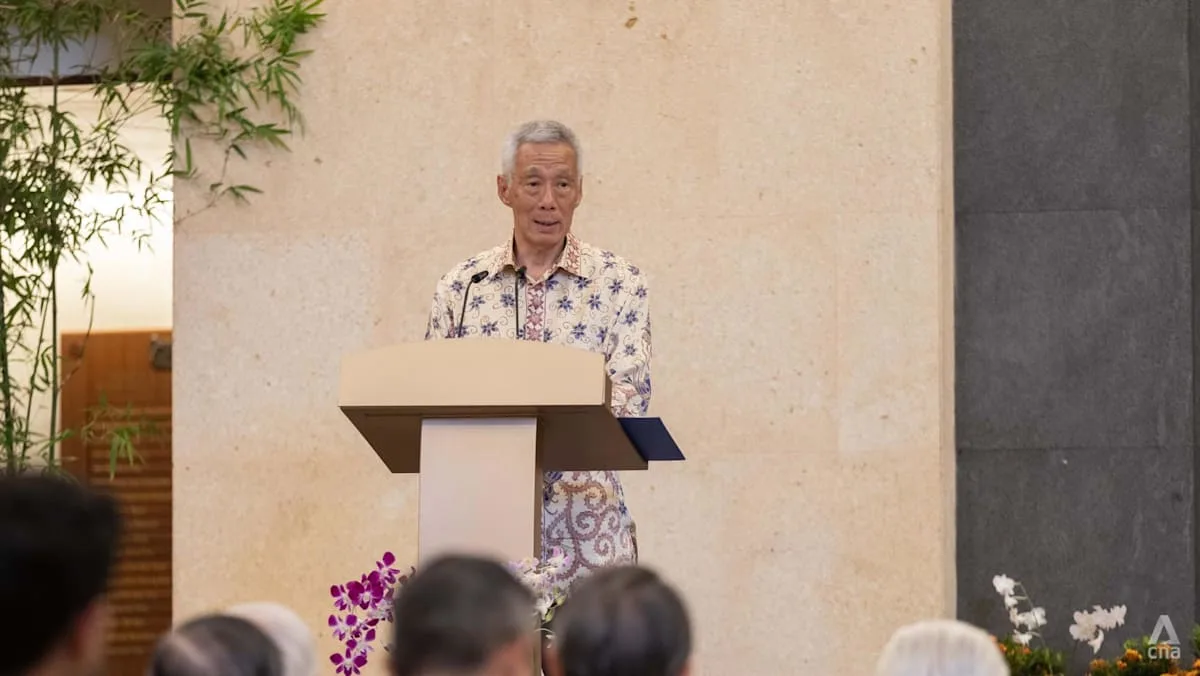
Senior Minister Lee Hsien Loong highlighted the founding leadership team, including Prime Minister Lee Kuan Yew, who rigorously debated these laws over many years. ‘‘He was always willing to be persuaded to change his mind, and sometimes settled on a conclusion only after years of reflection and debate,’’ Lee said. ‘‘The true test of these three institutions was how they would work out in practice over the years and decades, and across successive governments’’ [1].
The exact mechanics of the laws are not fixed. As Jayakumar stated, ‘‘If future generations feel the laws are not the appropriate mechanism, then they may come up with something else’’ [2].
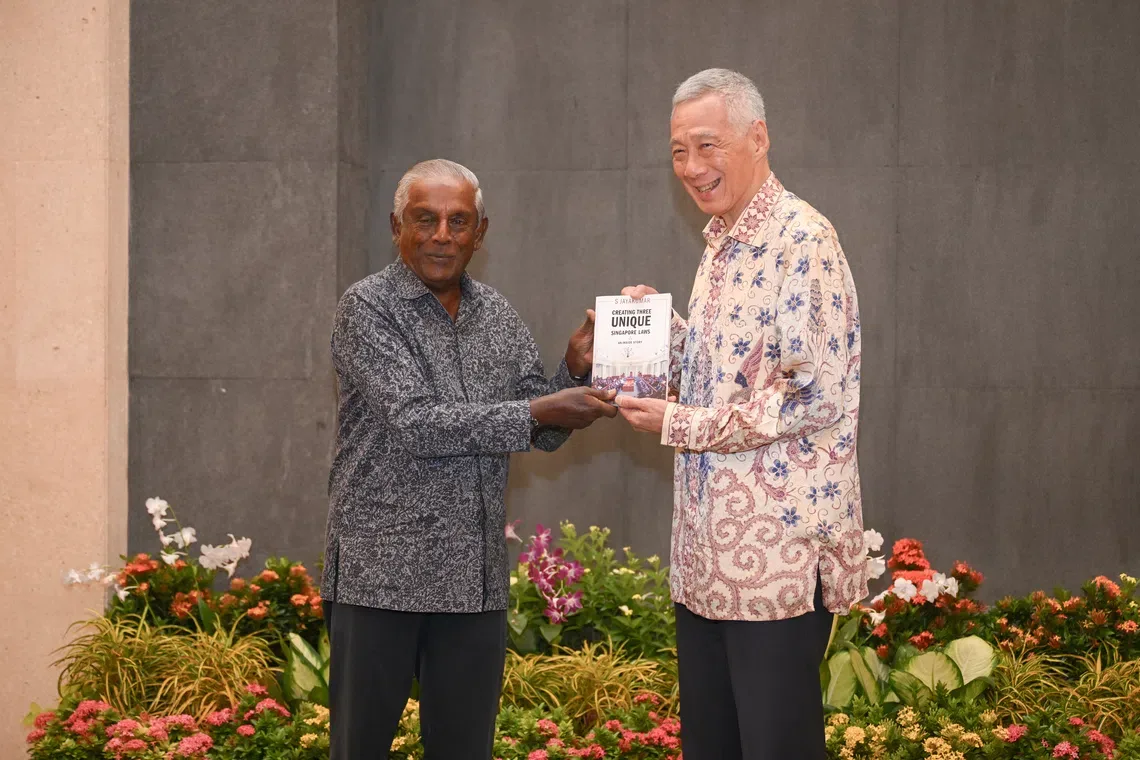
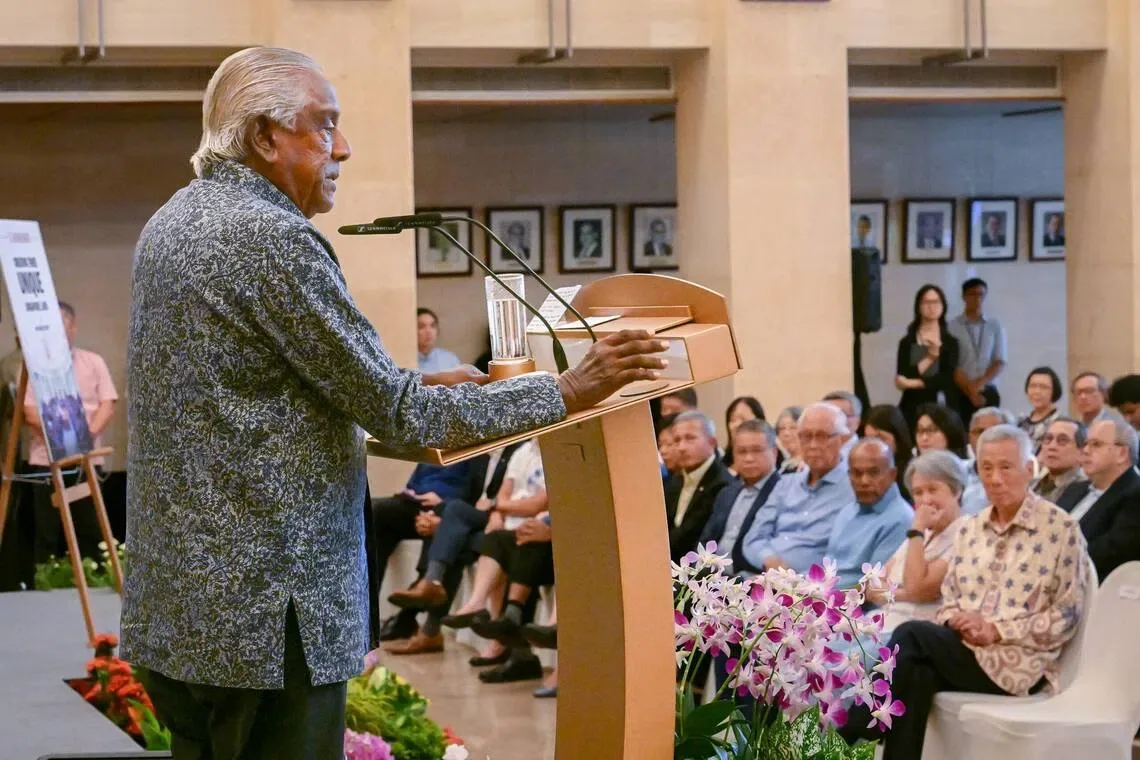
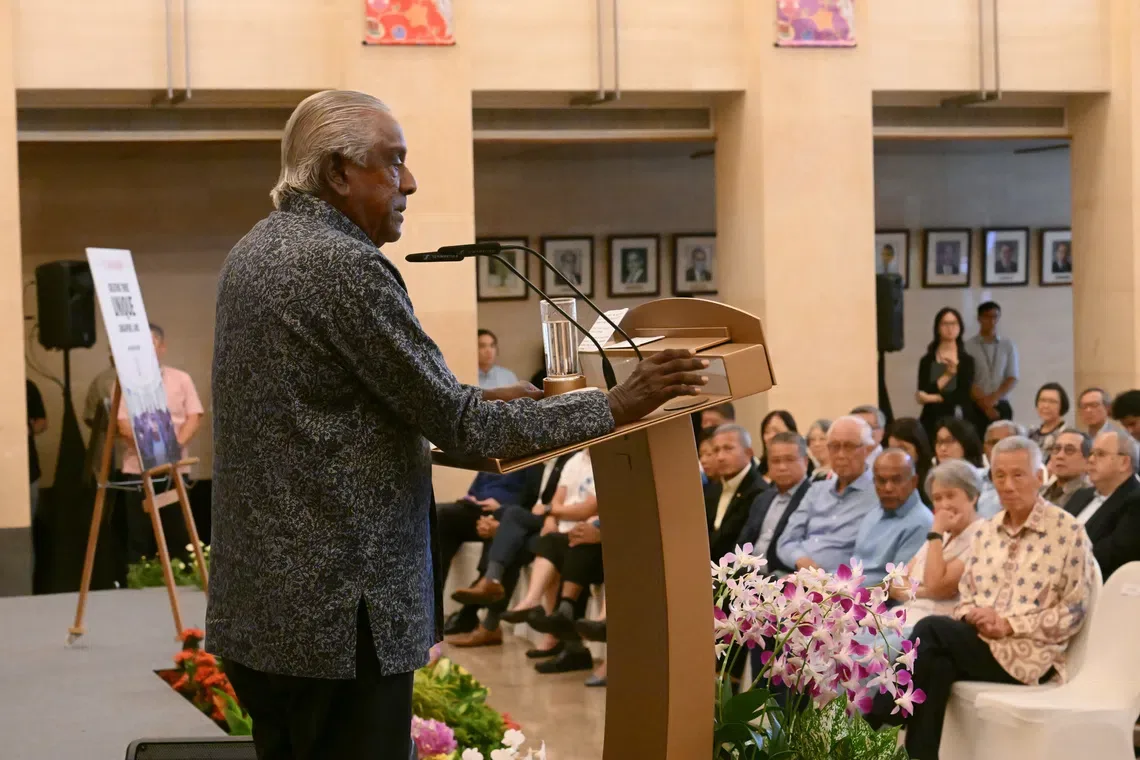
On August 12, 2026, Jayakumar launched his book, "Creating Three Unique Singapore Laws: An Inside Story," discussing the origins and debates behind the elected presidency, GRC, and NCMP laws. He gave an in-depth interview earlier this month, reflecting on his 31-year political career and the challenges faced in shaping these institutions [1, 2, 3, 4, 5].
The book launch marks the latest step in documenting Singapore's political development through these schemes, more than three decades after the elected presidency’s inception in 1991.