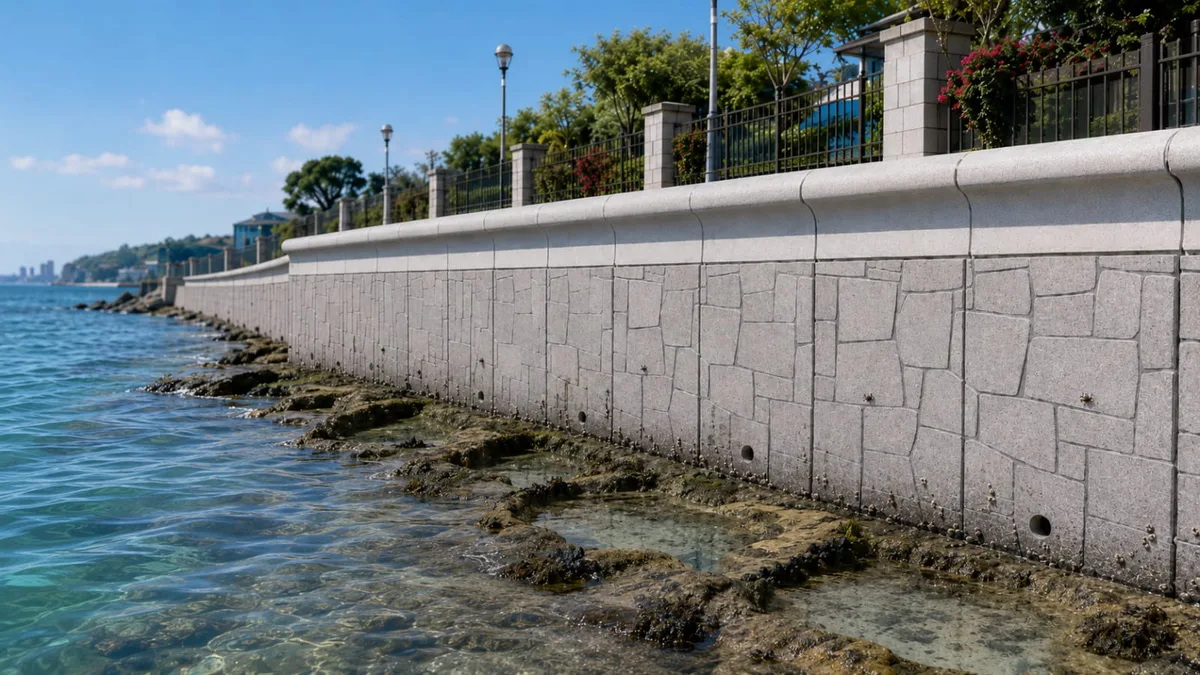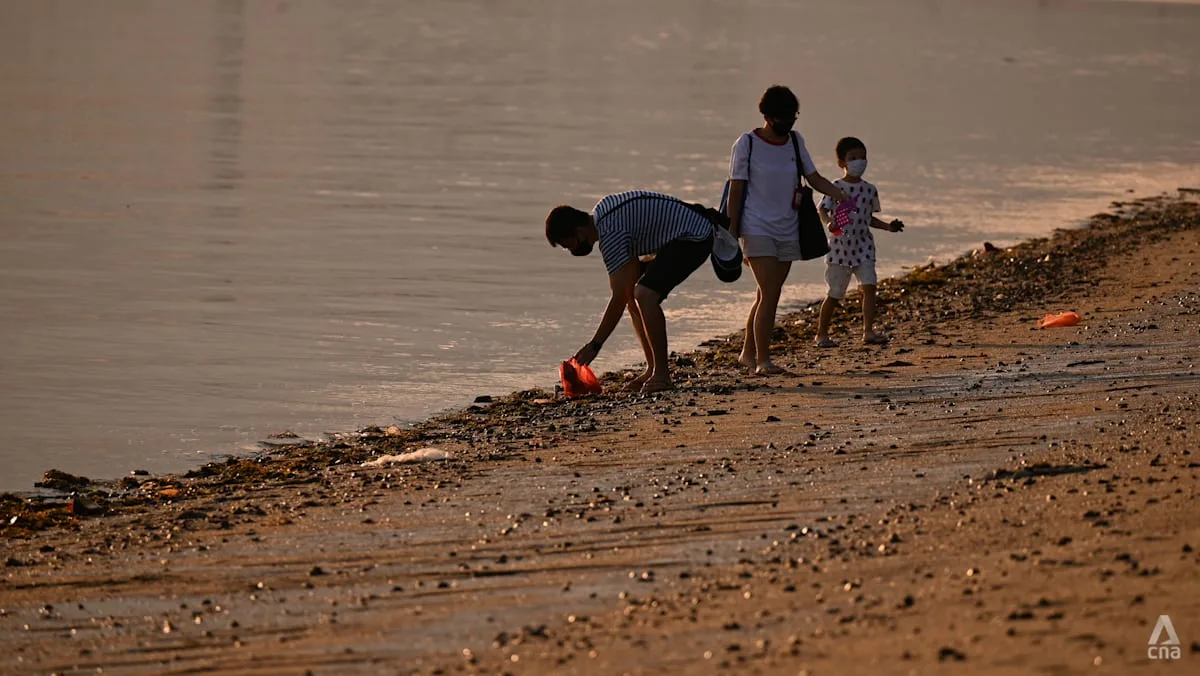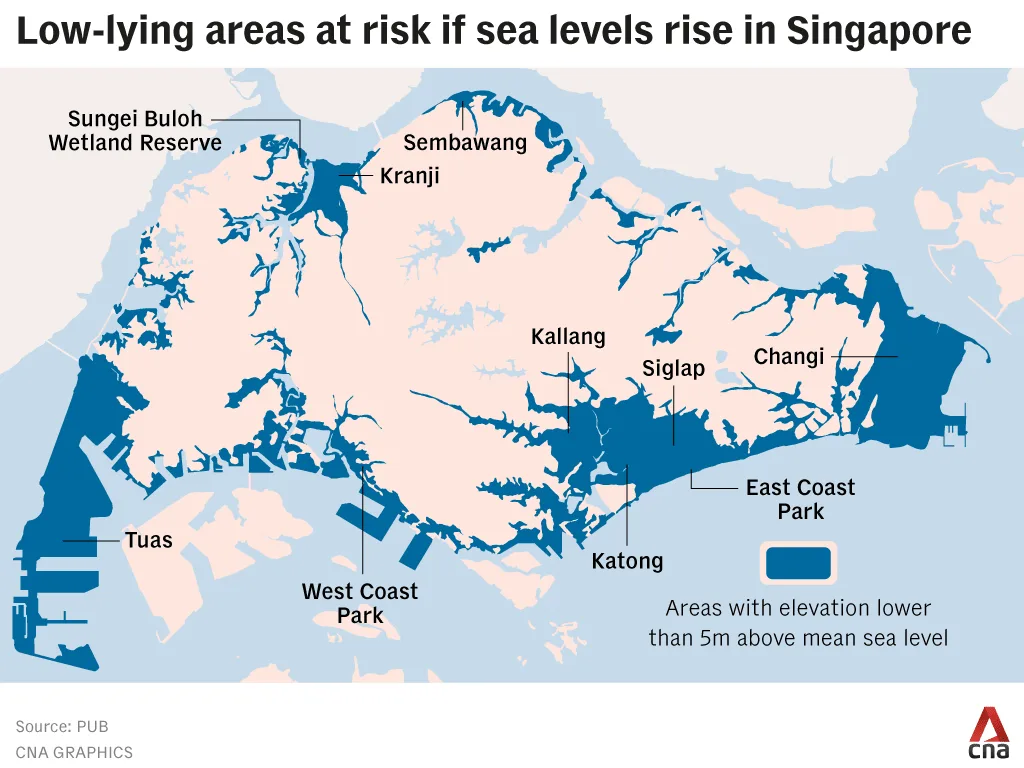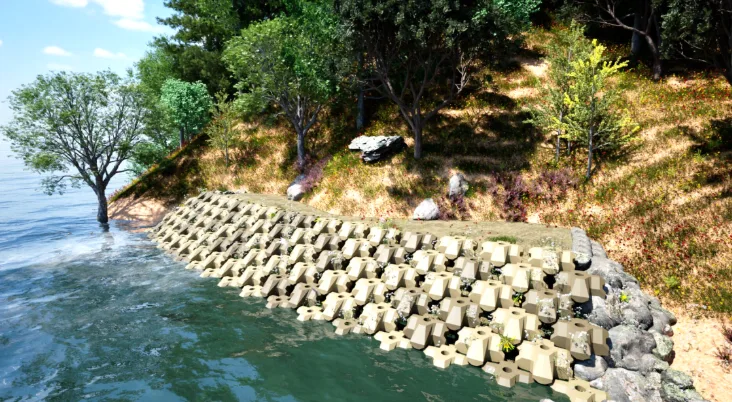
Singapore's national water agency PUB has introduced a Coastal Protection Code of Practice that will become mandatory from 2028 for all coastal landowners in the country. The code establishes technical standards and compliance requirements for managing and maintaining coastal protection facilities, affecting government agencies, statutory boards, and private companies alike [1, 2].
The Code provides detailed guidance on the design, construction, inspection, and maintenance of coastal defense structures. It includes regulations for both fixed and movable coastal barriers, allowing movable barriers with PUB approval where fixed ones are not operationally feasible [1, 2]. Landowners must submit annual reports to PUB to confirm maintenance work has been completed on their structures [2].
About 70% of Singapore's coastline is owned by the government, while private landowners, mainly industrial users, manage the remaining 30% [1, 2]. To support compliance among private landowners, PUB will offer capital grants and technical advice [1]. The agency has engaged professional bodies, industry associations, and landowners in developing the Code since 2025 and will continue outreach efforts through late 2026 [1, 2].
The Code complements amendments passed by Parliament in March 2026 to the Sewerage, Drainage and Coastal Protection Act. These amendments provide the legal framework and define responsibilities for coastal protection across sectors [1, 2].
Minister for Sustainability and the Environment Grace Fu said the regulations "place responsibility on all coastal landowners in Singapore, both public and private, to own, implement, maintain and operate coastal protection measures" [1]. The Chinese-language version of the Minister's statement emphasized how the Code translates policy into clear technical and compliance standards for landowners, engineers, and contractors [2].
PUB officially launched the Code of Practice in mid-June 2026 and has planned additional sessions in the second half of the year to help stakeholders understand the new requirements and prepare for compliance [1, 2]. The Code will take full effect in 2028, marking a unified standard for coastal protection across Singapore's coastline.