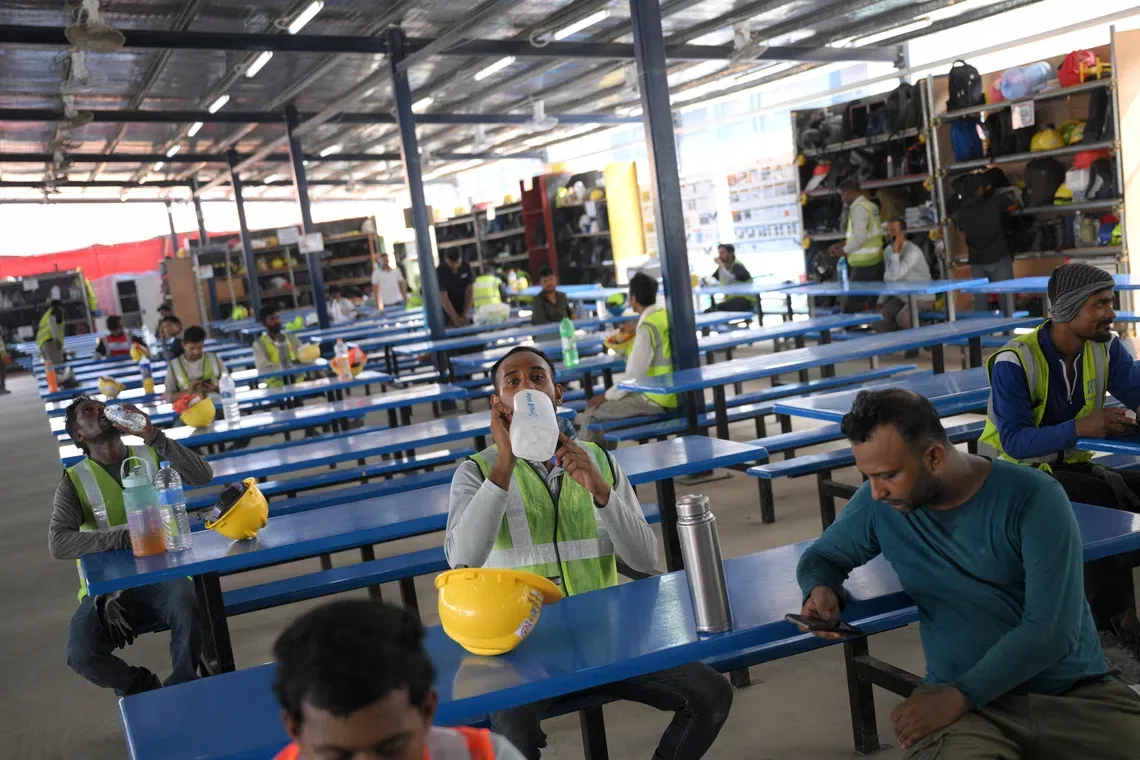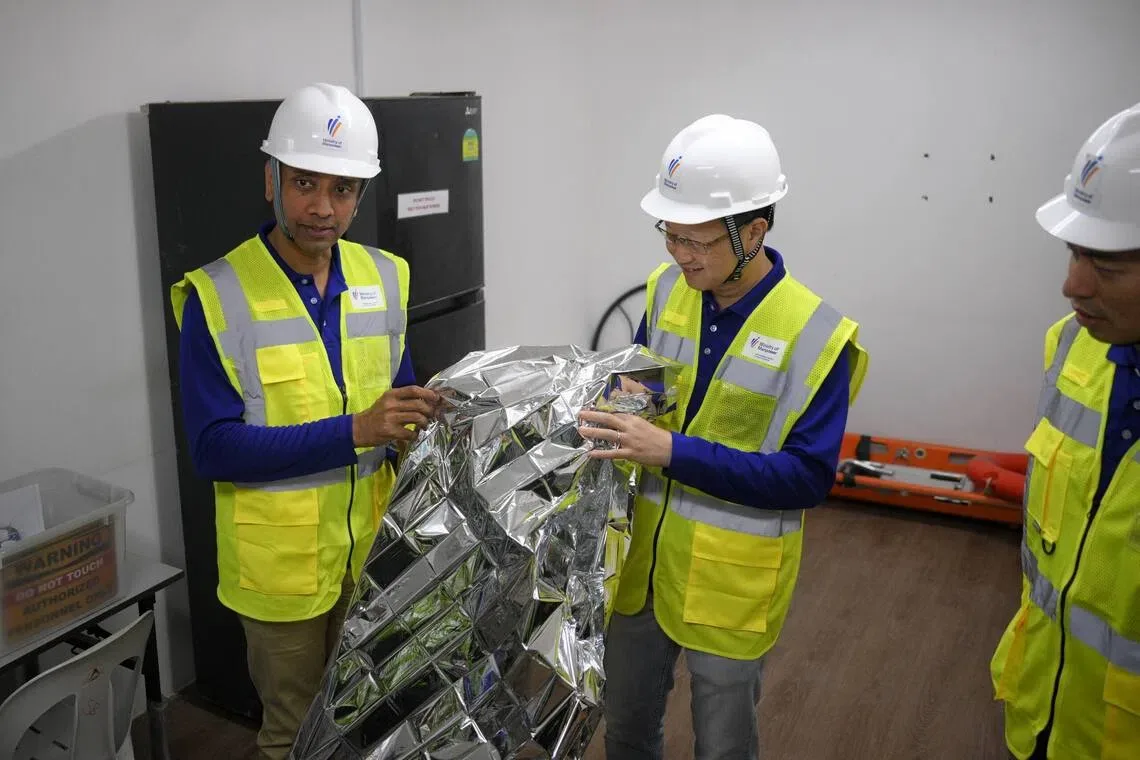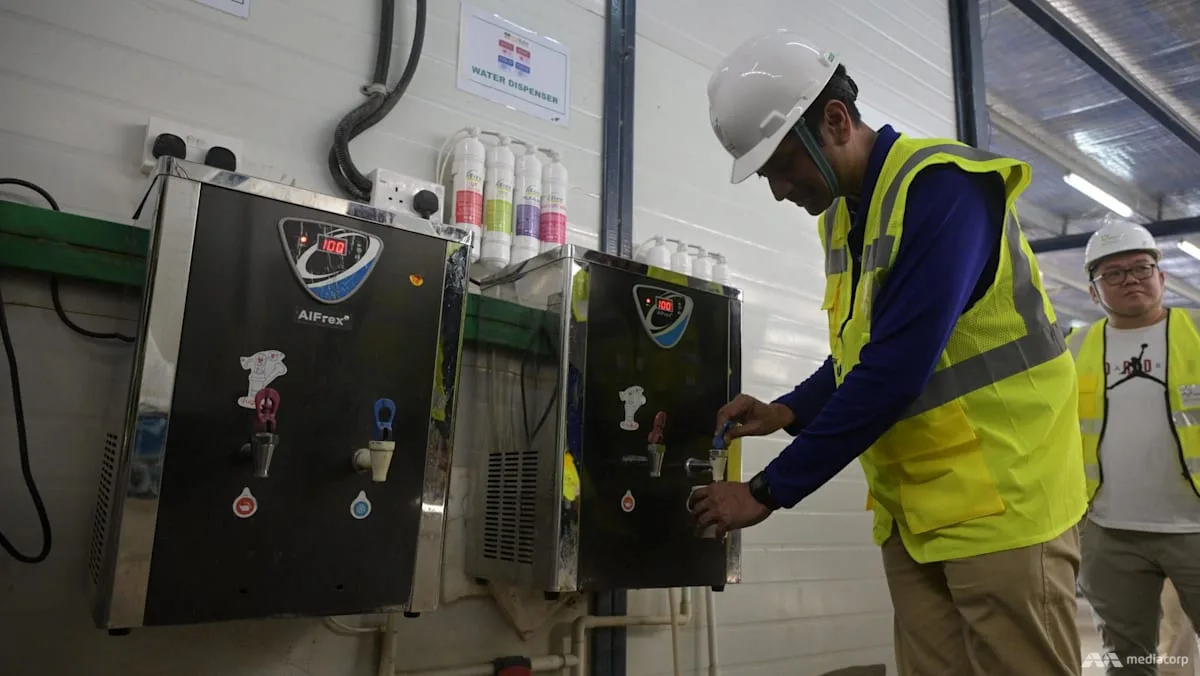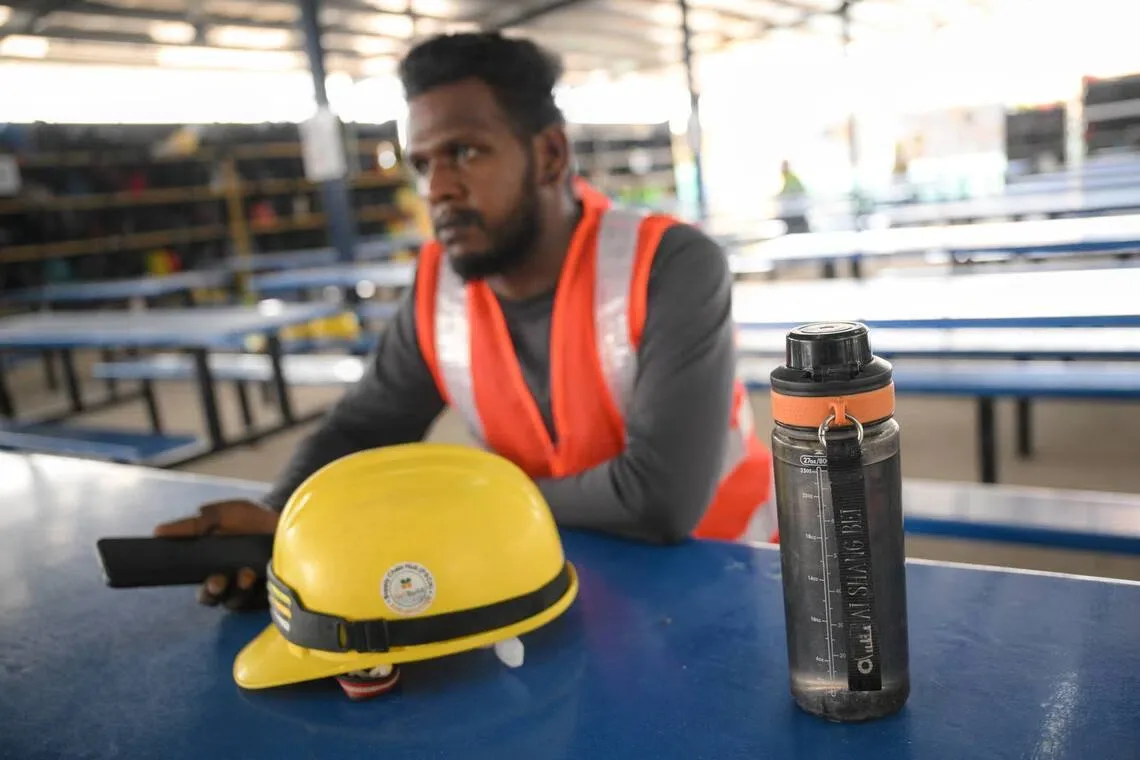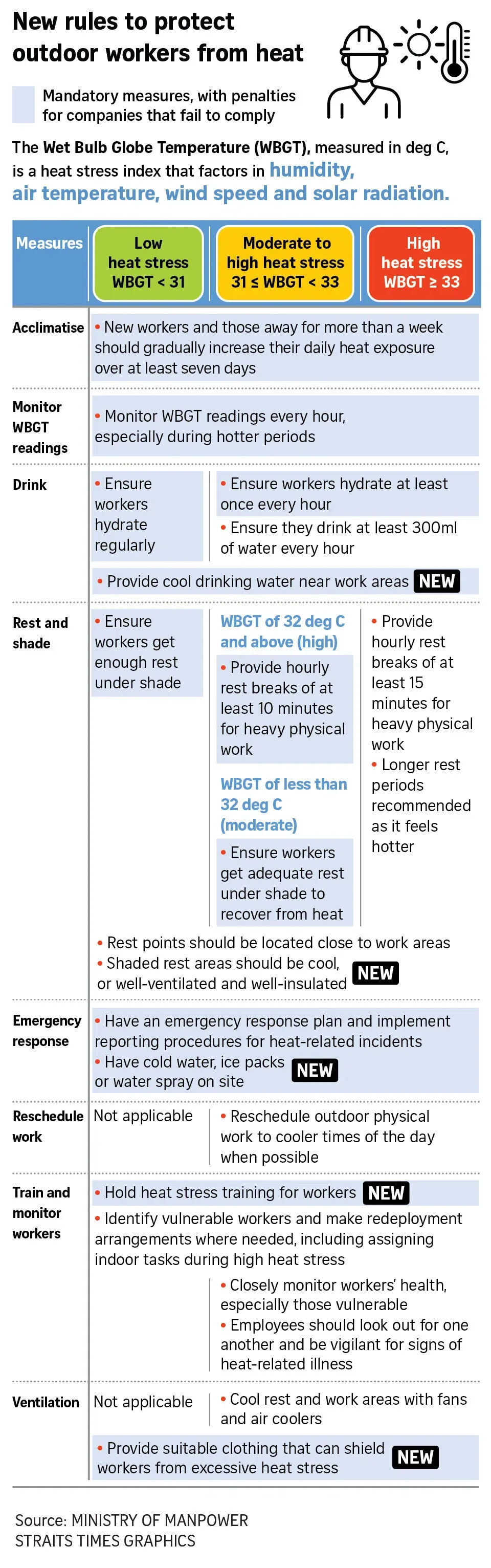
Singapore's Ministry of Manpower announced that from December 1, 2026, employers must supply outdoor workers with cool drinking water, breathable or moisture-wicking clothing, emergency ice packs or water spray, and heat stress training as mandatory measures to manage heat stress risks [1, 2, 3, 4]. These four requirements were previously recommended under the heat stress framework introduced in late 2023 but will now be compulsory [1, 2, 3, 4].
In addition, employers must provide shaded rest areas that are well-ventilated and insulated or cooled, a new recommendation effective from December 1 [1]. Failure to comply with these mandatory heat stress protections can lead to enforcement actions including stop-work orders and fines [1, 2, 3, 4].
The updated measures apply regardless of the Wet Bulb Globe Temperature (WBGT), covering heat stress levels below 31°C, between 31°C and 33°C, and above 33°C [1, 2, 3, 4]. Existing mandatory protections remain in place, such as heat acclimatisation programs for new workers or those returning after at least a week off, hourly WBGT monitoring, regular hydration, emergency response, and reporting procedures [1, 2, 3].
The total number of compulsory heat stress measures rises from 7 to 11 with these updates [2, 3, 4]. Minister of State for Manpower Dinesh Vasu Dash announced the enhancements on August 28 during a visit to the PSA Supply Chain Hub construction site in Tuas [1, 2, 3, 4]. He said, "These enhanced measures provide clearer expectations for employers while strengthening protection for workers. Better management of heat stress not only safeguards workers' health and well-being, but also helps employers reduce downtime, maintain productivity and support business continuity" [1].
The announcement comes as Singapore faces rising heat risks amid a rapidly intensifying El Niño phenomenon, with temperatures forecast to reach 35°C in August 2026 [2, 3, 4].
The new requirements will become law on December 1, 2026, obliging all outdoor employers to implement the expanded heat stress safeguards.