The Civil Aviation Authority of Singapore (CAAS) is actively monitoring fuel-related emergencies declared by airlines arriving in Singapore as safety risks increase amid the Middle East conflict. Airlines have lengthened flight routes to avoid conflict zones, requiring them to carry additional fuel to cover longer journeys and unexpected delays, CAAS said [1, 2, 3, 4].
CAAS Director-General Han Kok Juan stressed the importance of sustaining safety spending despite financial pressures from higher fuel prices. He said safety expenditure "should be non-negotiable" and urged airlines to carry sufficient fuel for lengthened routes and contingencies [1, 3].
Aviation safety risks in the Asia-Pacific region have risen sharply. The accident rate climbed from 0.78 per million departures in 2023 to 1.62 in 2024, while fatalities increased from 72 to 186 in the same period [1, 2, 3, 4]. Turbulence is the leading cause of accidents in the region, accounting for nearly 40% of incidents. Turbulence cases rose from 2 in 2023 to 8 in 2024 [3].
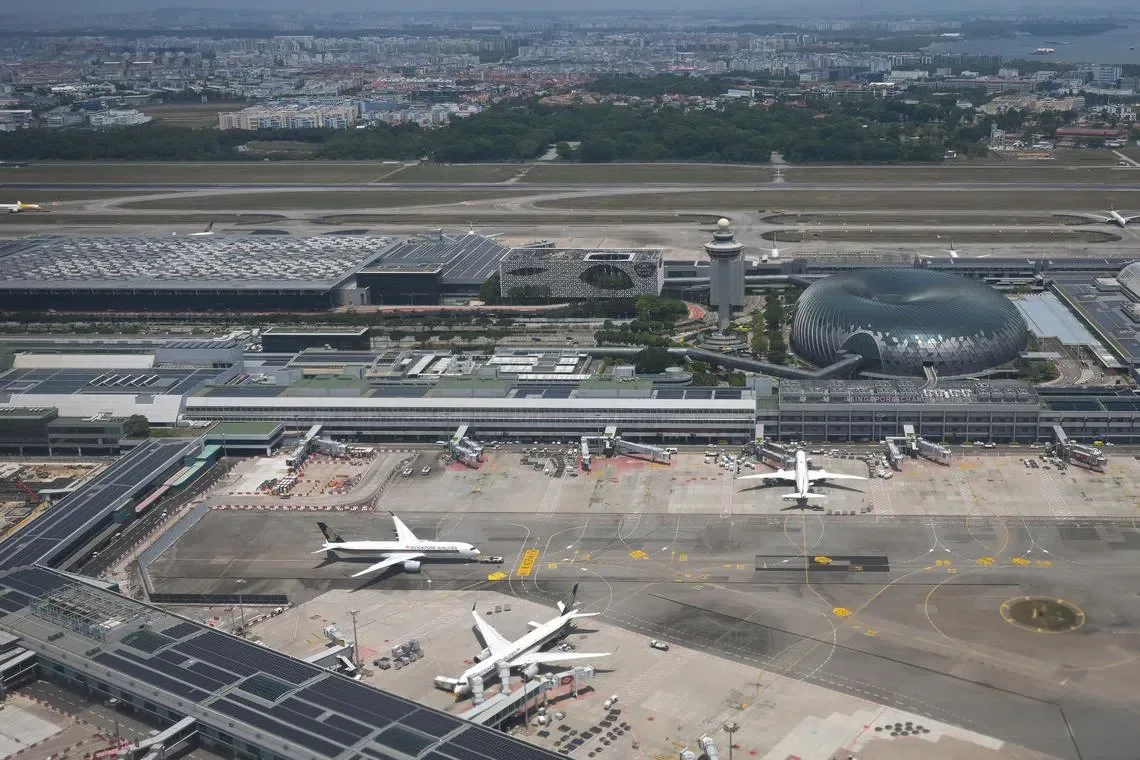
Singapore is also seeing more safety incidents related to turbulence and runway incursions at Changi Airport. Turbulence accidents causing fatalities or serious injuries increased from 2 in 2024 to 3 in 2025. Runway incursions rose from 2 in 2024 to 3 in 2025, all involving foreign carriers, though without collision or contact [1, 2, 3].
Fuel-related emergencies landing in Singapore numbered 5 in 2024 and 8 in 2025. So far this year, CAAS recorded 2 such emergencies caused by bad weather near Changi Airport [4]. Former pilots have warned that carrying less fuel reduces flight safety. Edwin Jesudason said lower reserves become a problem when planes face holding patterns due to congestion or bad weather. Graham McDonald voiced caution about reducing reserve fuel based solely on past experience [4].
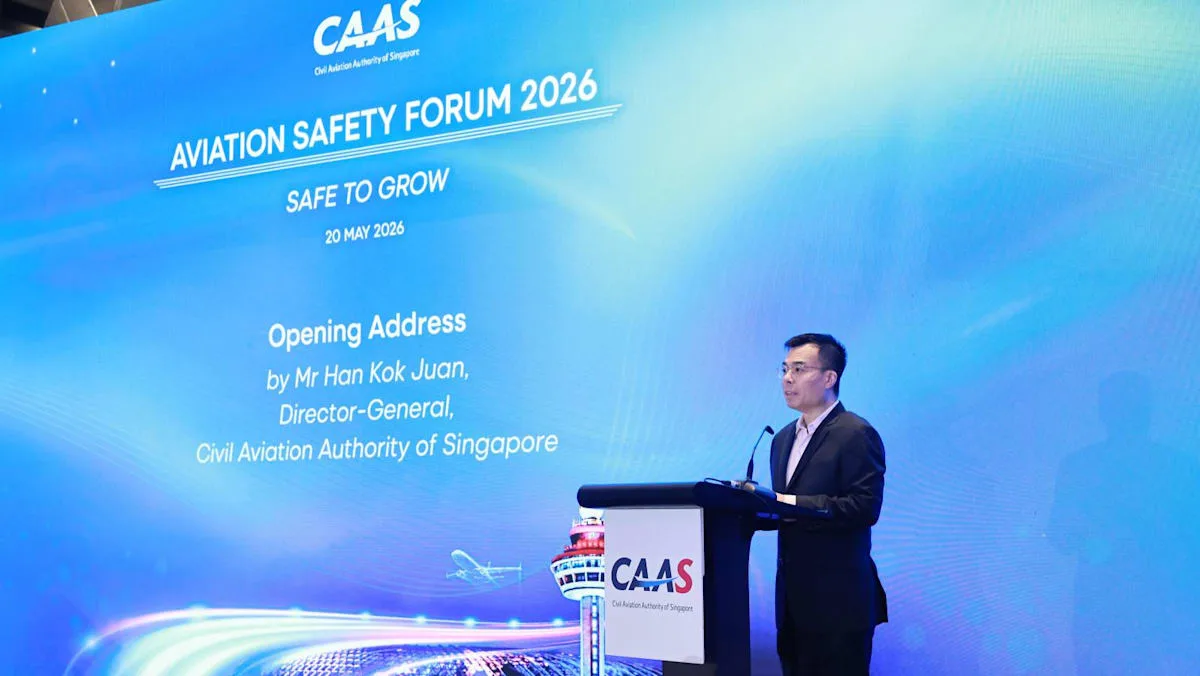
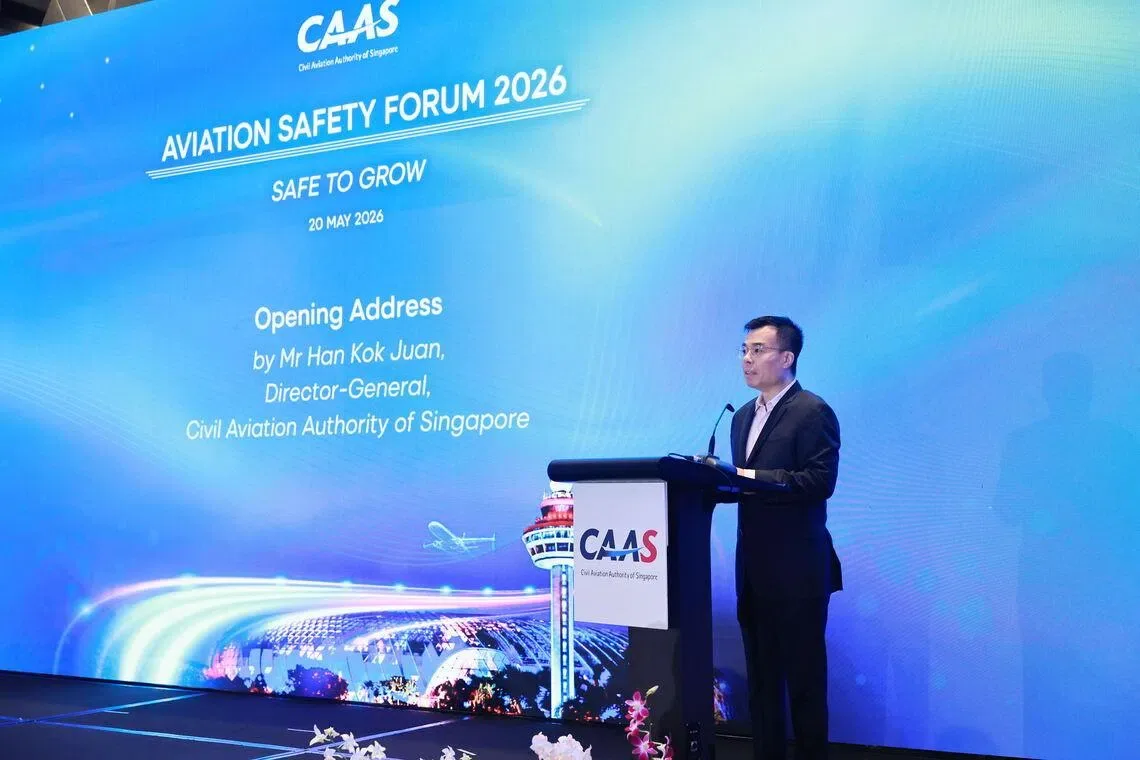
On May 20, 2026, Han Kok Juan spoke at the Aviation Safety Forum, urging airlines to put safety first amid the conflict and extended flight routes. The day before, the final report on the Singapore Airlines Flight SQ321 turbulence incident was published, reflecting continued scrutiny of safety issues [1, 2].