An increasing number of children in Singapore are being identified with special educational needs (SEN), complicating parents’ decisions between mainstream and special education (SPED) schools [1, 2, 3, 4, 5]. Experts note that early difficulties in literacy, numeracy, or attention do not always indicate SEN. Assessment of adaptive functioning skills such as independent feeding, toileting, communication, and navigation before Primary 1 helps determine school suitability [1, 4]. Persistent behavioral issues reported by teachers can prompt formal SEN assessment [1, 4].
Mainstream schools offer some support for SEN children, including SEN officers, extended exam times, and tutoring, according to families. However, teachers often find it hard to address students’ varied needs and challenging behaviors despite increased SEN resources [2, 3, 5]. SPED schools provide tailored support and have helped children who struggled in mainstream settings to thrive [2, 3, 5]. Admission to SPED schools is hampered by lengthy assessments and limited spaces [2, 3, 5].
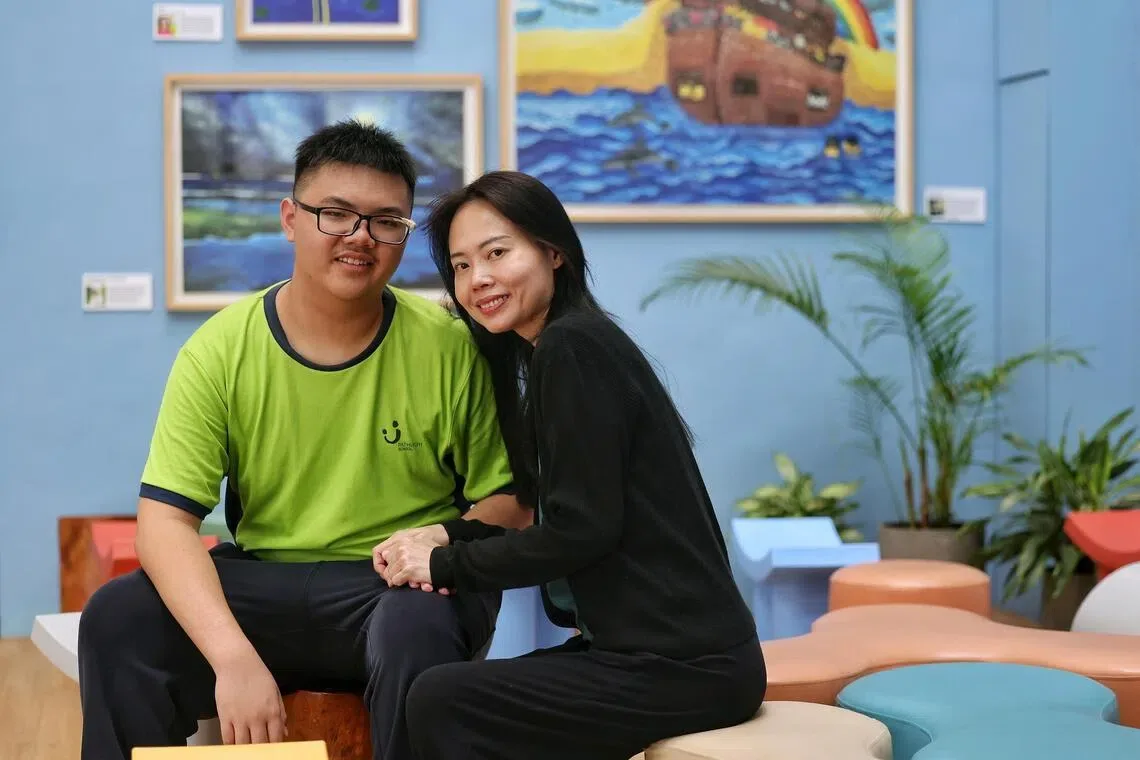
Marcus, a boy diagnosed with mild autism and ADHD, transferred from mainstream school to Pathlight School in 2022 after a psychologist’s recommendation. Since then, he has grown more confident and actively participates in activities like basketball and cybersecurity programs [2, 3, 5]. His mother, Ms. Vivi Lee, described the transfer as emotionally difficult due to social stigma around special needs education. She said, "It’s hard to talk about (situations like these) sometimes. You feel shameful." She added that understanding her son's learning profile helped her cope better: "After slowly learning to accept that sometimes the problem itself is not the biggest problem, but rather how I cope with and respond to it, I began to better understand his learning profile and struggles" [2].
In 2023, Singapore’s Ministry of Education introduced a central application process for transfers between mainstream and SPED schools, replacing the previous individual-school system [2, 3, 5]. The ministry released data publicly for the first time in April 2026, showing that an average of 200 students transfer annually between these school types since the central process started [2, 3, 5].