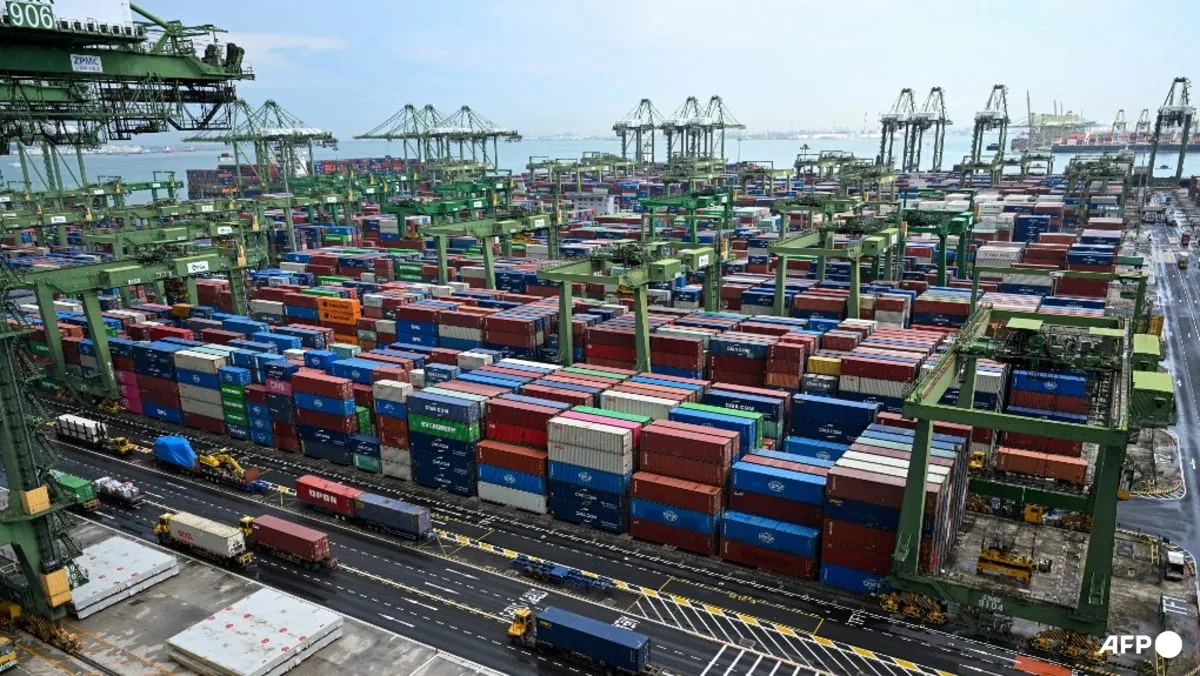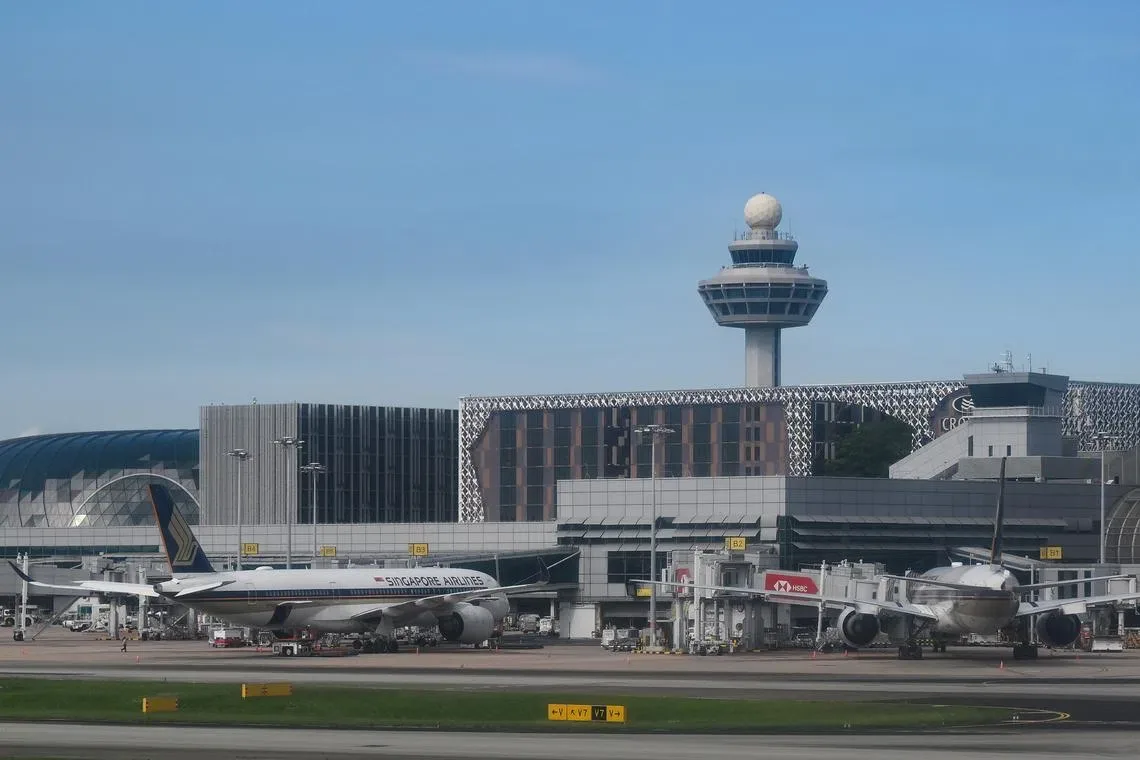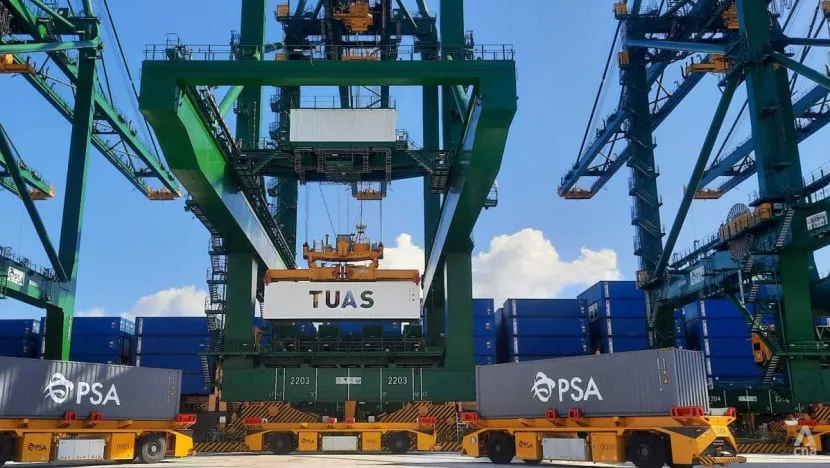
Singapore's Parliament approved a motion on July 7, 2026, led by MP Tin Pei Ling, aimed at strengthening the country's future transport strategy as a global hub [1, 2, 3, 4]. The motion calls for broader use of frontier technologies such as artificial intelligence, automation, and digital twins to better integrate land, sea, and air transport systems across the island [1, 2, 3, 4].
The Ministry of Transport committed S$800 million (US$619 million) in funding over the next five years to promote research and innovation within the sector [1]. In Parliament, 24 MPs participated in the debate, emphasizing the need to upskill workers vulnerable to technological disruption, especially taxi and private-hire drivers [2, 3, 4]. MP Tin highlighted that "Singapore is compelled to rethink how we remain globally connected as we confront an ever-dynamic geopolitical environment and emerging technological game changers" [1].
Deputy Chairman Edward Chia proposed establishing a unified control tower integrating sea, air, and logistics operations to streamline cargo and transport management [2, 3, 4]. Other suggestions included enabling seamless air-sea transfers, creating digital trade platforms, introducing autonomous vehicles for transport gaps, and unifying cargo control to improve efficiency [2, 3, 4].
Members also pointed to opportunities for development in eastern Singapore near Changi Airport's upcoming Terminal 5 and adjacent ports. They envision an integrated gateway combining aviation, maritime, logistics, business, and tourism functions [2, 3, 4]. Senior Transport officials, including Acting Minister Jeffrey Siow, Minister of State Baey Yam Keng, and Senior Minister of State Sun Xueling, took part in the parliamentary discussion [2, 3, 4].
The Transport Government Parliamentary Committee, chaired by MP Tin Pei Ling, will oversee these initiatives [1, 2, 3, 4]. The S$800 million allocation by the Ministry of Transport is set to fund research and innovation projects from July 2026 through the next five years [1].