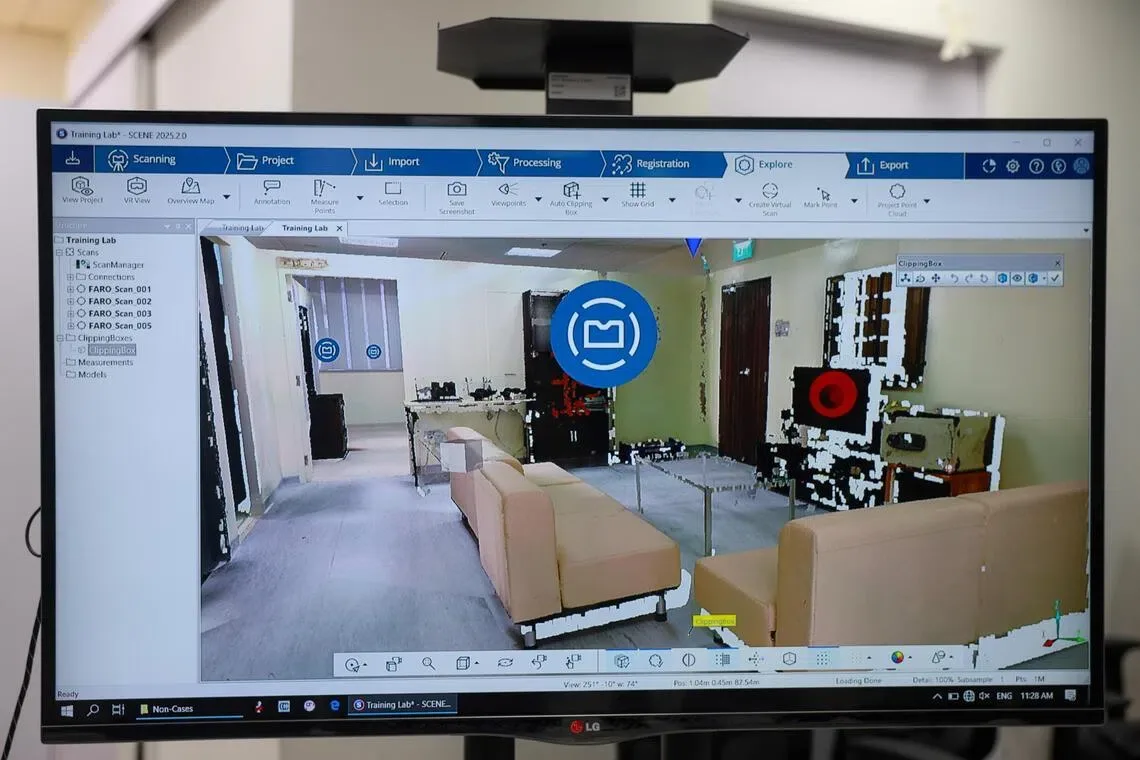
The Singapore Police Force is adopting advanced technology such as 3D scanners, unmanned aerial vehicles (UAVs), and artificial intelligence to improve forensic investigations and optimize resource use across complex crime scenes [1, 2, 3].
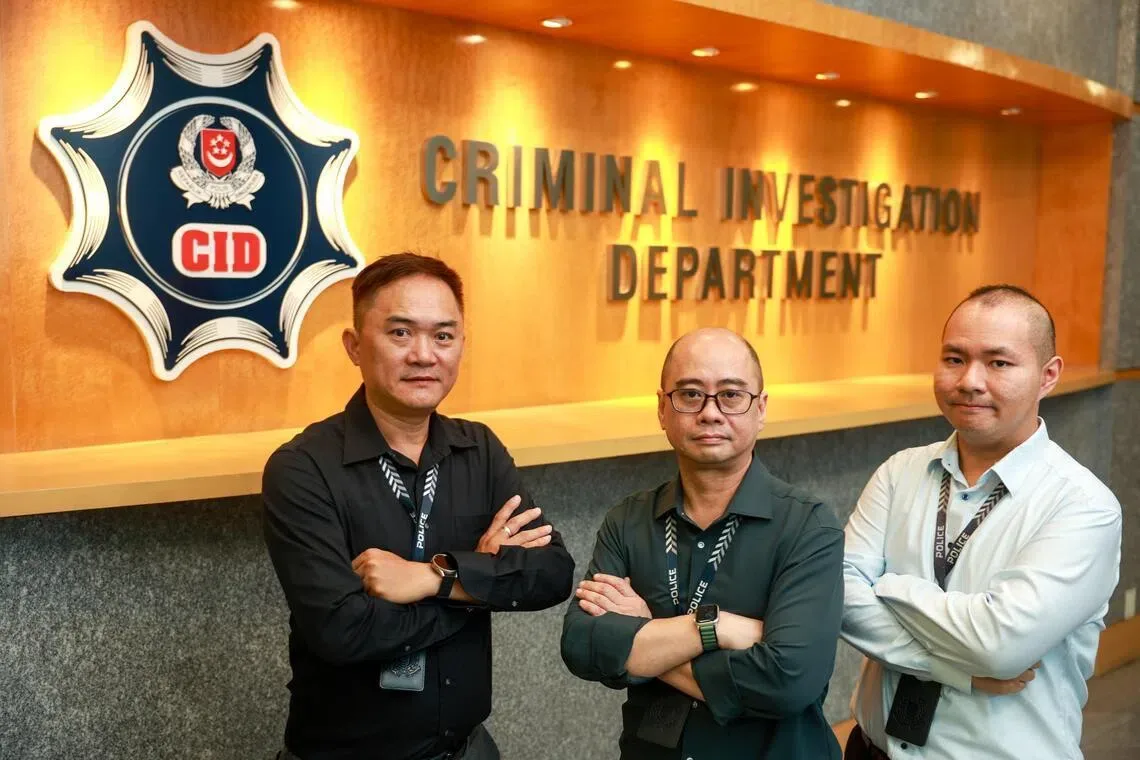
Deputy Superintendent Tan Boon Kok, head of the CID’s Special Investigation Section, explained that 3D scanners create digital twins of crime scenes. "We can produce a digital twin of the scene, which allows us to revisit the scene anytime to take additional measurements," he said, noting this has significantly reduced the time needed to recreate crime scenes to a quarter of the previous duration [1].
UAVs are used to capture aerial views, especially of large scenes and road accident sites. Tan added, "We also now have UAV capabilities that we can deploy to capture aerial views of a scene, especially for large scenes." This aerial footage helps speed investigations while allowing traffic to resume faster [1].
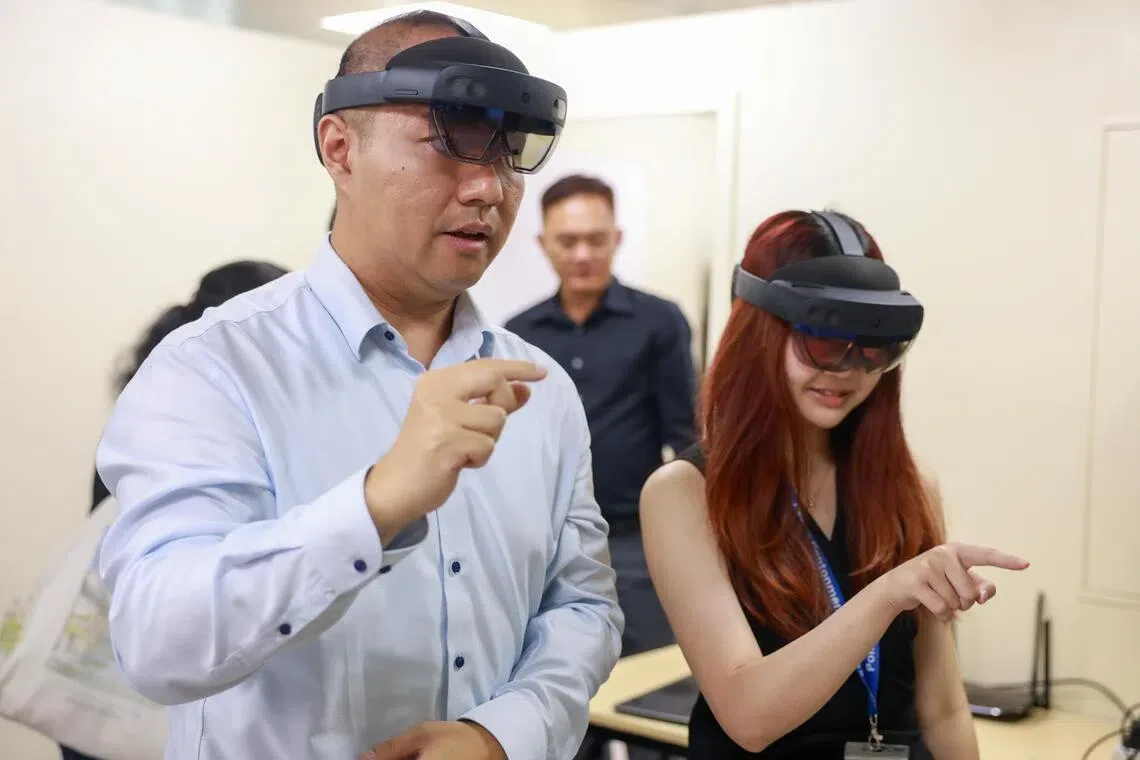
A Mixed Reality Training System developed with the Home Team Science and Technology Agency immerses trainees in combined virtual and real crime scene setups, enhancing their forensic analysis skills [1, 2, 3].
Despite newer tools, human judgment remains essential. Tan noted that empathy and strategic decision-making cannot be replaced by technology alone, emphasizing the continued role of experienced officers [1, 2, 3].
The need for these advancements was highlighted by a 2016 case where a woman’s body was found in a drain at Tanah Merah Ferry Terminal. Manual processing of the scene took over seven hours, with two hours spent just taking photos and measurements, and required multiple visits to the location for follow-up [1, 2, 3]. Tan said, "Processing a complex crime scene takes significantly longer without the tools." [1]
On June 8, 2023, the police demonstrated the use of these technologies in a media event, showcasing how 3D scanning, UAVs, AI, and mixed reality training help streamline crime scene investigation [1, 2, 3].