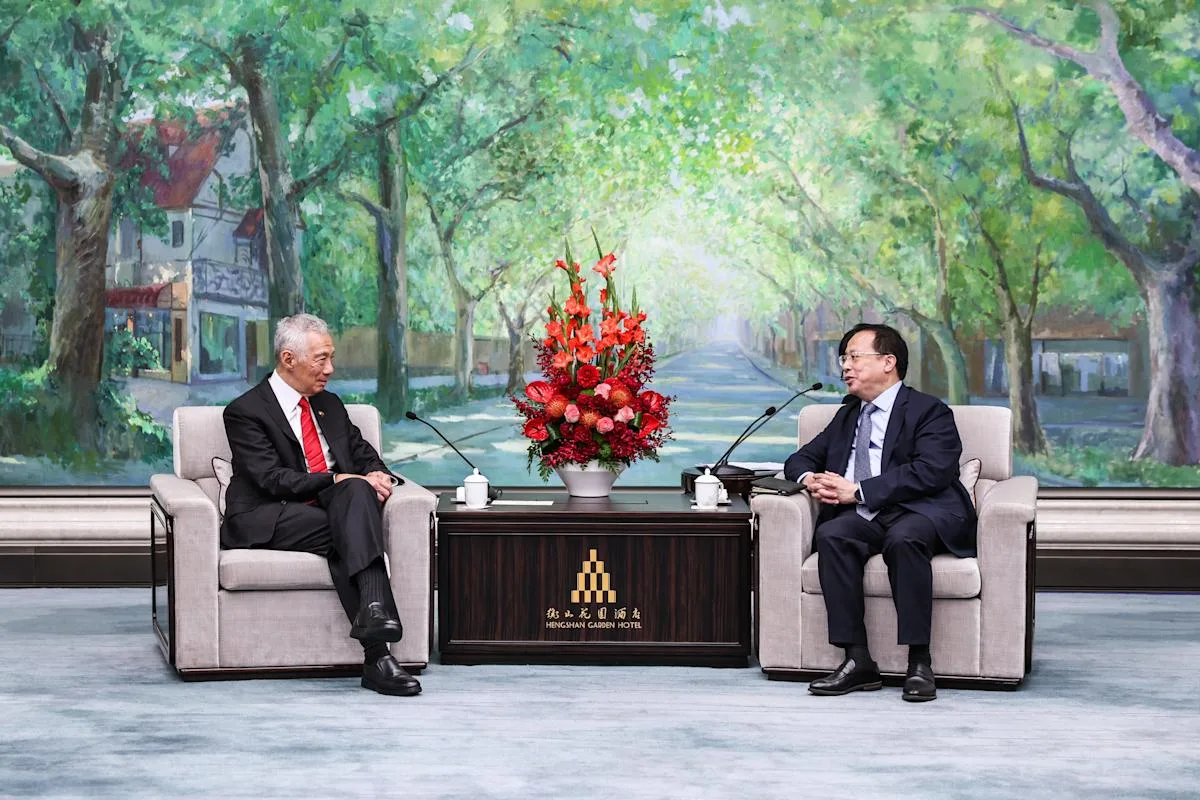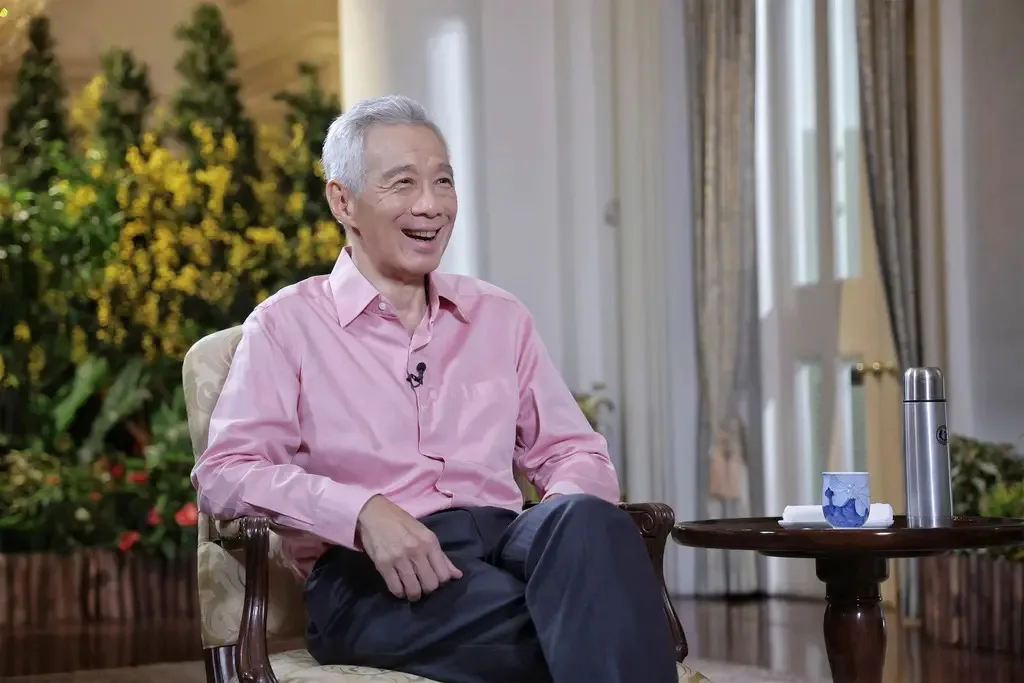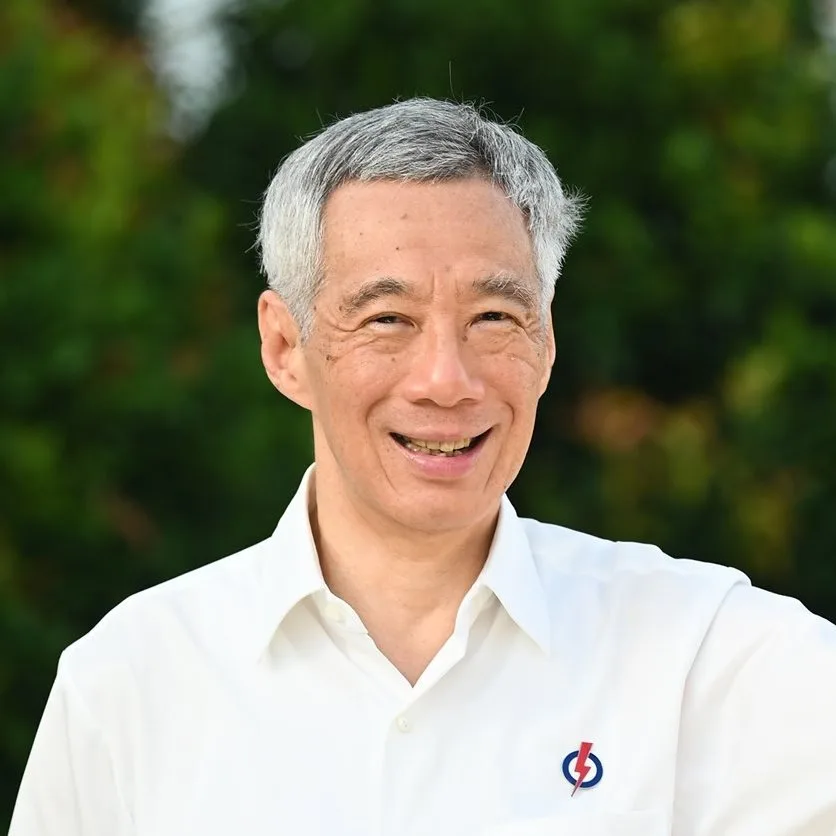
Singapore's Senior Minister Lee Hsien Loong emphasized during his visit to China from May 18 to 22 that cooperation between Singapore and China is founded on common interests rather than shared ethnic or racial ties. He told Chinese partners, "雙方合作是因擁有共同利益,而不是因為屬於同個族群" (Our cooperation is because of shared interests, not shared ethnicity) [1, 2, 3, 4, 5].
Lee reiterated that although Singapore's population is majority Chinese, the country is a multiracial society with full political independence and sovereignty from China. He explained, "新加坡是一個主權獨立於中國之外的國家,雙方之所以作為朋友開展合作,純粹是因為彼此擁有共同的經貿利益,絕對不是因為大家屬於同一個族群" (Singapore is a sovereign and independent country outside China, and cooperation is purely based on shared economic interests, not on belonging to the same ethnic group) [1, 2, 3, 4, 5].
Lee stressed Singapore's effort to maintain strategic space by balancing relations with multiple major economic partners. He said, "中國是新加坡的經濟夥伴之一,美國依然是非常重要的經濟夥伴,日本和歐洲也是如此,如果只有一個主要朋友,不論是誰,選擇空間就少了" (China is one of Singapore's economic partners; the US remains very important, as do Japan and Europe. Having only one main partner limits choices) [1, 2, 3, 4].
During his talks in Guangxi and Shanghai, Lee discussed expanding opportunities for Singapore investments in China and for Chinese enterprises to use Singapore as a regional hub or headquarters for Southeast Asia [1, 3, 4]. He also communicated to Chinese counterparts the importance of recognizing Singapore’s independent national interests despite ethnic ties, noting, "你必須認識到,我們有不同的國家利益,如果你不明白,無法形成真正的新加坡人身份認同" (One must recognize we have different national interests; without that, true Singaporean identity cannot be formed) [2, 3, 5].
Singapore enacted the Foreign Interference (Countermeasures) Act (FICA) to safeguard against foreign interference, including political influence attempts through ethnic connections, reflecting concerns over China’s actions [5].
Singapore’s Economic Development Board reported that in 2025, Singapore’s fixed asset investments totaled SGD 14.2 billion, with more than 20% originating from China [3]. This underscores the economic significance of bilateral ties.
The Shangri-La Dialogue security forum, scheduled in Singapore later this month, will focus on Asia-Pacific security issues, including the posture of the US and China [1, 4].