Singapore announced a major shift in family policy on August 23, 2026, when Prime Minister Lawrence Wong revealed new measures aimed at supporting parenthood beyond just childbirth at the National Day Rally [1, 2, 3, 4, 5, 6, 7, 8, 9]. The government will phase out the baby bonus and multi-child schemes, replacing them with the SG Child Support Package, which provides about S$62,000 per child from birth until age 17 [5, 10, 11, 9]. This approach aims to help families throughout the child-rearing journey rather than focusing only on birth incentives [1, 2, 3, 4, 8].
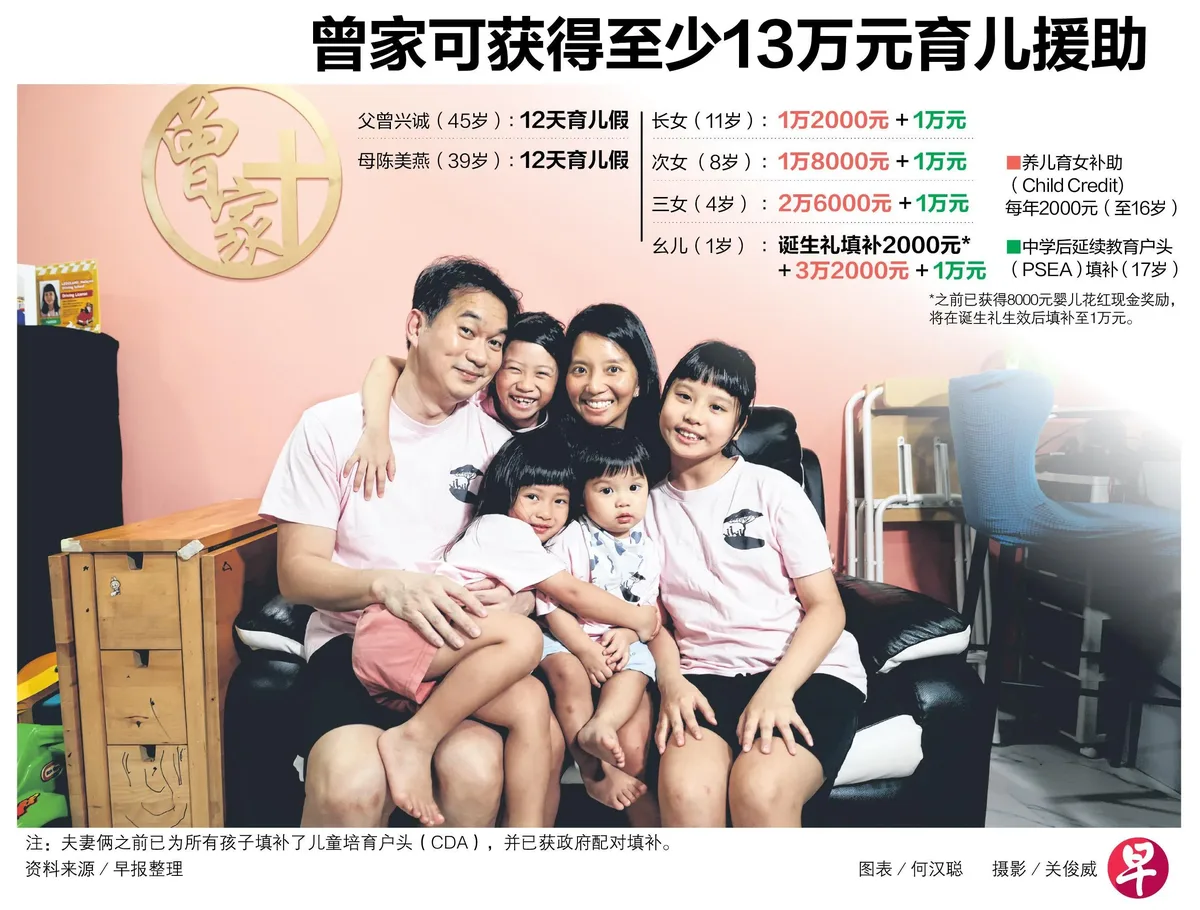
The new package includes several financial benefits: a S$10,000 baby gift, a S$5,000 first step grant, matched savings of S$5,000, annual child credits of S$2,000 from age one to 16, and a S$10,000 post-secondary top-up at 17 [5]. Support will be equal regardless of birth order, replacing previous schemes that favored later children [5, 8]. Families with more children will receive proportionally greater aid, including subsidies to help cover transport and housing costs [5, 11].
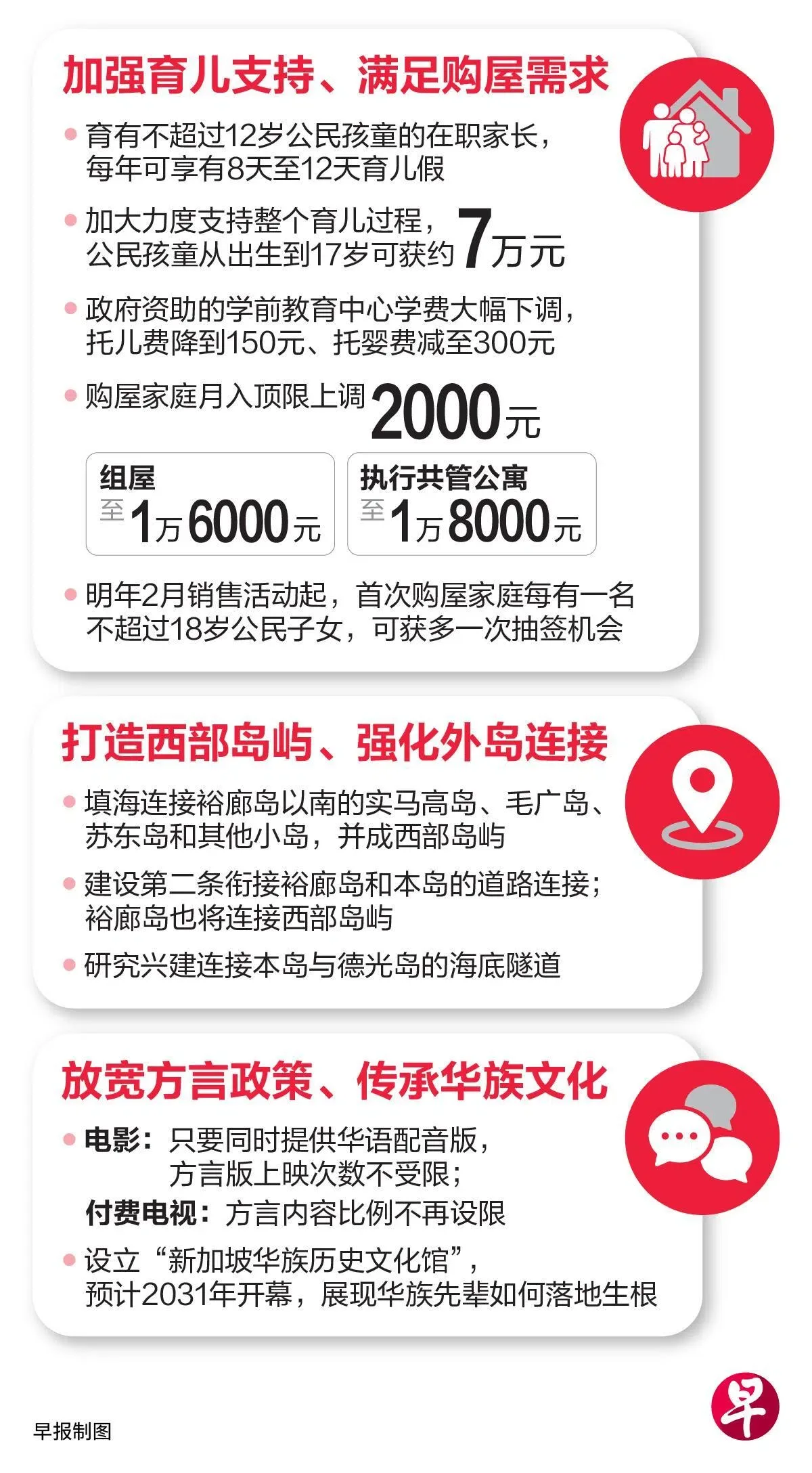
Childcare leave will increase based on the number of children up to age 12: 8 days for one child, 10 days for two children, and 12 days for three or more. This is up from the previous flat 6 days regardless of number of children. The government will cover the cost of statutory childcare leave up to a capped amount to ease employer burden [5, 10, 6].
A phased reduction in fees will lower full-day childcare to a cap of S$150 and infant care to S$300 by 2030 [5]. The income ceiling for subsidized public housing resale eligibility will also rise from S$14,000 to S$16,000 monthly household income [5]. Starting February 2027, first-time homebuyers with children aged 18 or below will get additional chances in HDB sales balloting [5, 12].
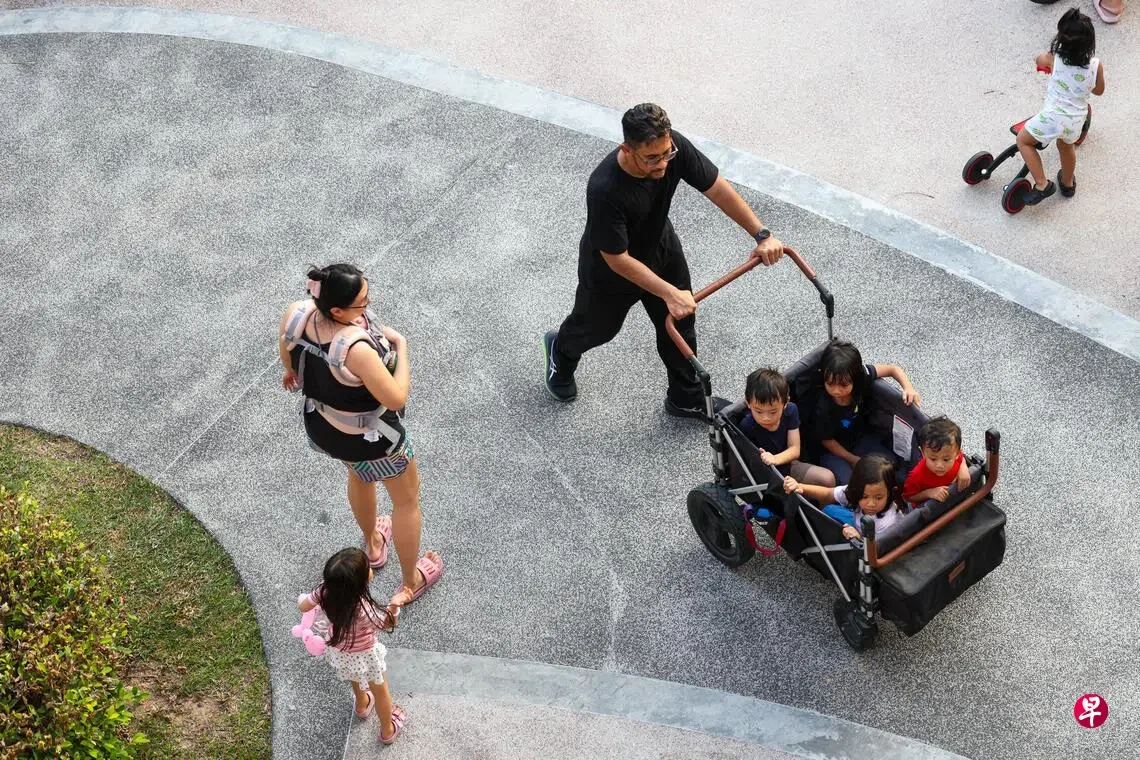
These policies will benefit over 380,000 families with more than 610,000 children aged 17 or below [5]. Prime Minister Wong said, “We are aiming for more than incremental improvements or changes to individual schemes. We want to make a fundamental shift in how we support families” [1]. He added, “If you choose to have children, the Government will walk with you all the way” [5].
Experts welcomed the increased childcare leave and financial support but cautioned the birth rate, which stands at a critically low 0.87 births per woman, may not immediately improve. Sociologist Ng Pei Song said, “The bold measures could encourage couples hesitating due to economic concerns to take the first step, but are unlikely to markedly raise overall fertility rates” [10]. Policy researcher Mathew Mathews noted the help could ease worries about costs and work-family balance [10]. However, MP Shawn Loh highlighted potential challenges in workplace support for increased childcare leave [9].
Parents expressed optimism: mother of three Zhang Shurong said the package “is very practical and covers a longer stage of child-rearing, making us feel more secure about raising children” [12].
The government views sustaining families at all life stages as a national priority requiring significant resources and plans to explore further support for elderly, singles, and persons with disabilities [5, 7]. The new housing balloting changes will take effect in February 2027, and childcare fee caps are targeted for 2030 [5, 12].