Kelly, a 16-year-old Institute of Technical Education student in Singapore, began self-harming at age nine amid parental conflict and loneliness [1, 2, 3]. She described frequent intense fights between her parents that caused emotional distress and a fear of abandonment by her mother [1, 2, 3].
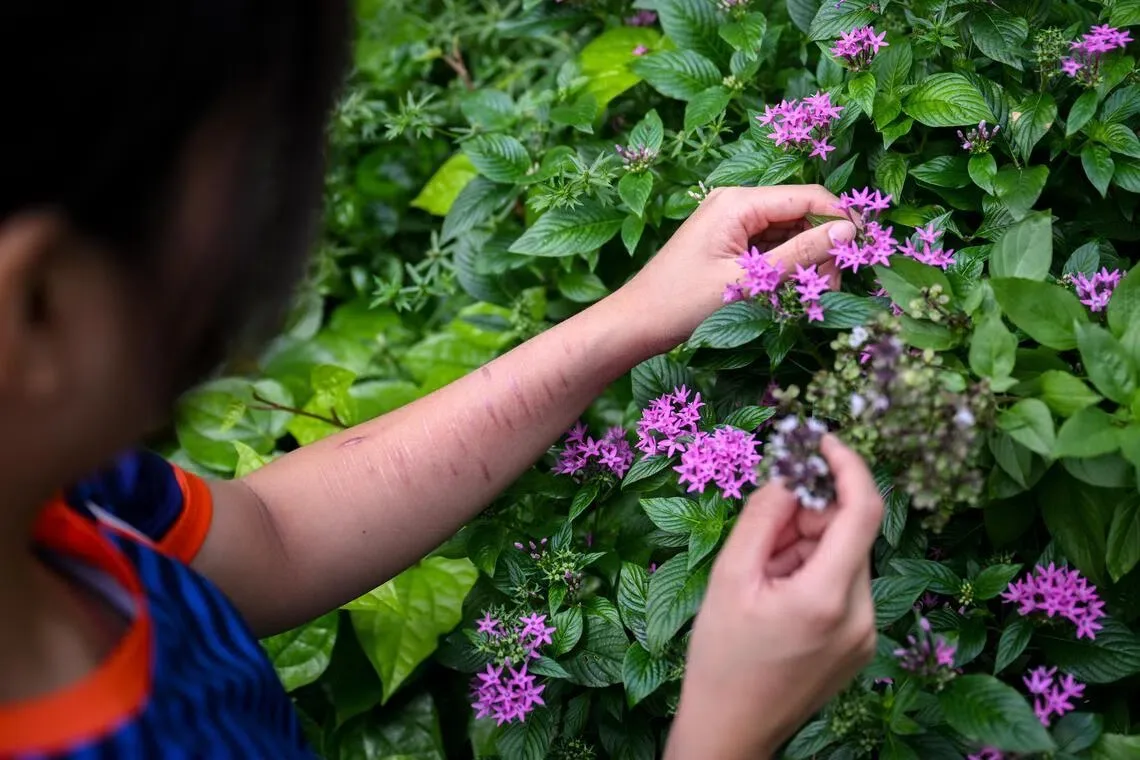
By Primary 3, Kelly was already self-harming, starting as a way to cope with her mental pain. “The physical pain takes away from the mental pain,” she said [1, 3]. After finding online posts about self-harm methods, her habit worsened to a weekly occurrence by Primary 5, shifting harm from her upper arm to wrist to hide the marks [1, 2, 3]. Kelly kept her self-harm secret from friends, lying that the marks were cat scratches [1, 2, 3].
Kelly, an only child, spent many hours alone after school while her mother worked as a waitress. She described herself as quiet, withdrawn, and a wallflower in school social settings, often bottling up her feelings [1, 2, 3]. She said, “It felt weird to go up to people and share that my parents were fighting. I didn’t want anyone to know this about me” and, “I’d listen to the conversations, but I don’t talk, just sit there with them and mind my own business” [3].
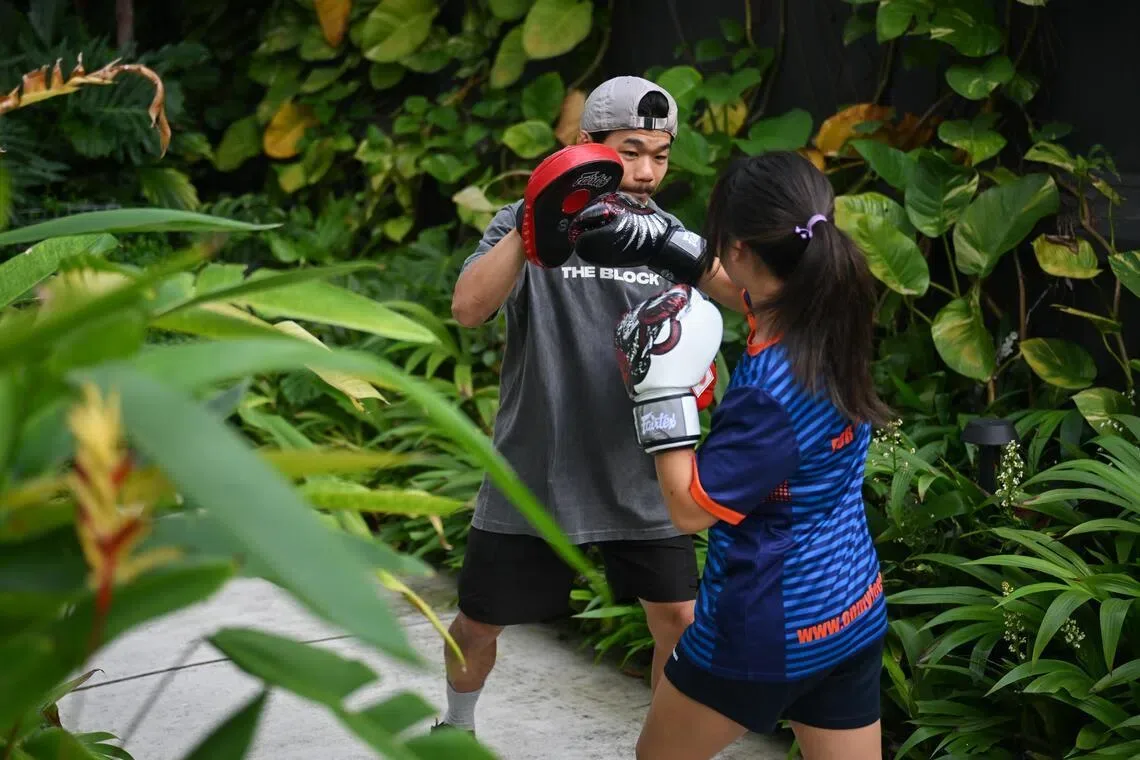
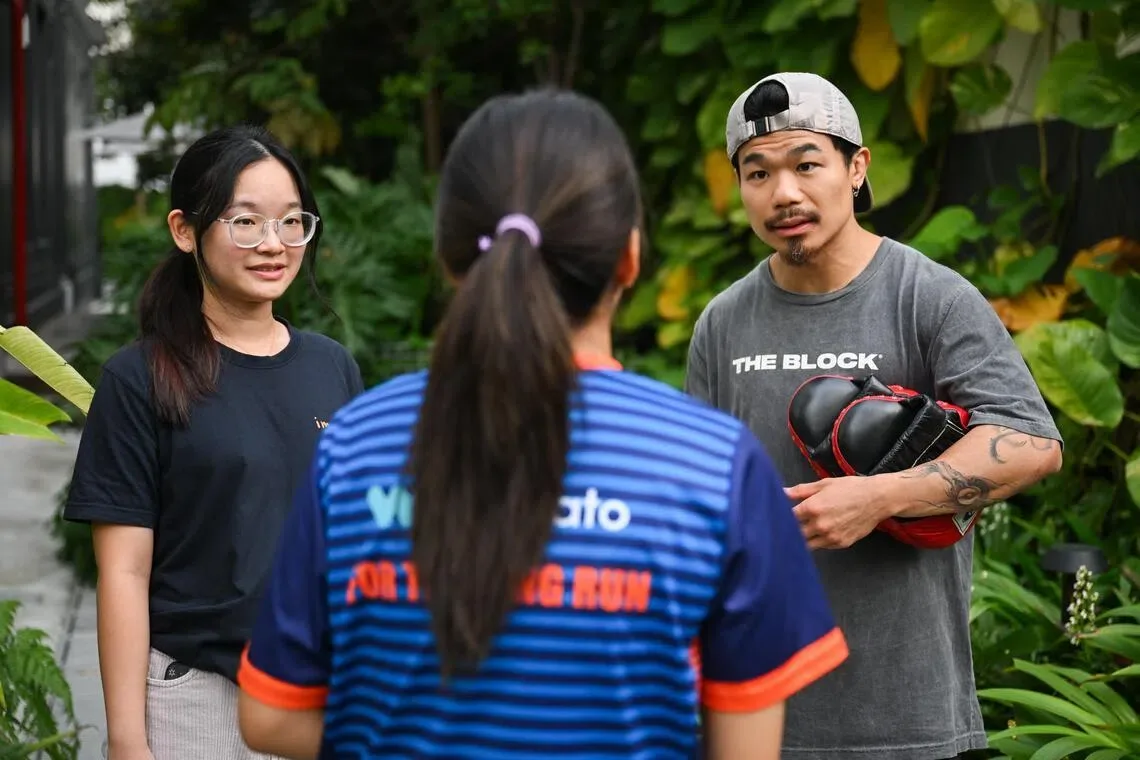
After two suicide attempts and disconnecting from official support services, a social worker connected Kelly to the charity Impart. Their muay thai programme gave her a safe community and new coping skills. Kelly has now remained free from self-harm for five months, describing the programme as helping her “rebuild her future” [1, 2, 3].
Her story reflects a 2025 national survey by the Institute of Mental Health, which found one in four youths aged 15 to 35 in Singapore have self-harmed at least once, with cutting the most common method [1, 2, 3].
Kelly’s next step is continuing her participation in the muay thai programme with Impart, aiming to maintain her recovery and support network in the coming months [1, 2, 3].