Minister of State for Manpower Dinesh Vasu Dash said on August 5 that Singapore will consult trade unions and employers before deciding whether to legislate retrenchment benefits into law [1, 2, 3]. He acknowledged that while retrenchment benefits are currently covered by tripartite guidelines that ensure about 90% of eligible retrenched workers receive them, the government is reviewing whether support can go beyond this level following recommendations from the Economic Strategy Review (ESR) [1, 2, 3].
"We’ve considered it in the past. It wasn’t very appropriate then," Minister Dinesh said of legislating benefits. But "the recommendations made by the ESR touched on stronger support for workers, and the authorities are looking at whether 'we can go above 90 per cent'" [1].
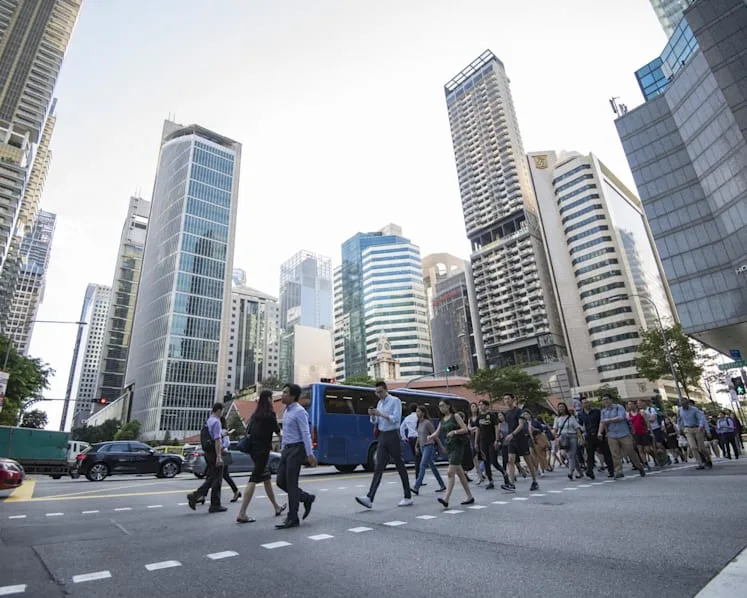
Singapore’s employment expanded for the 19th consecutive quarter through Q1 2026, with resident employment growth and low unemployment sustained by deliberate policies urging companies to continue hiring despite some high-profile retrenchments [1, 2, 3]. The government has maintained an annual productivity growth rate of 1.8% from 2021 to 2024 [1, 2, 3].
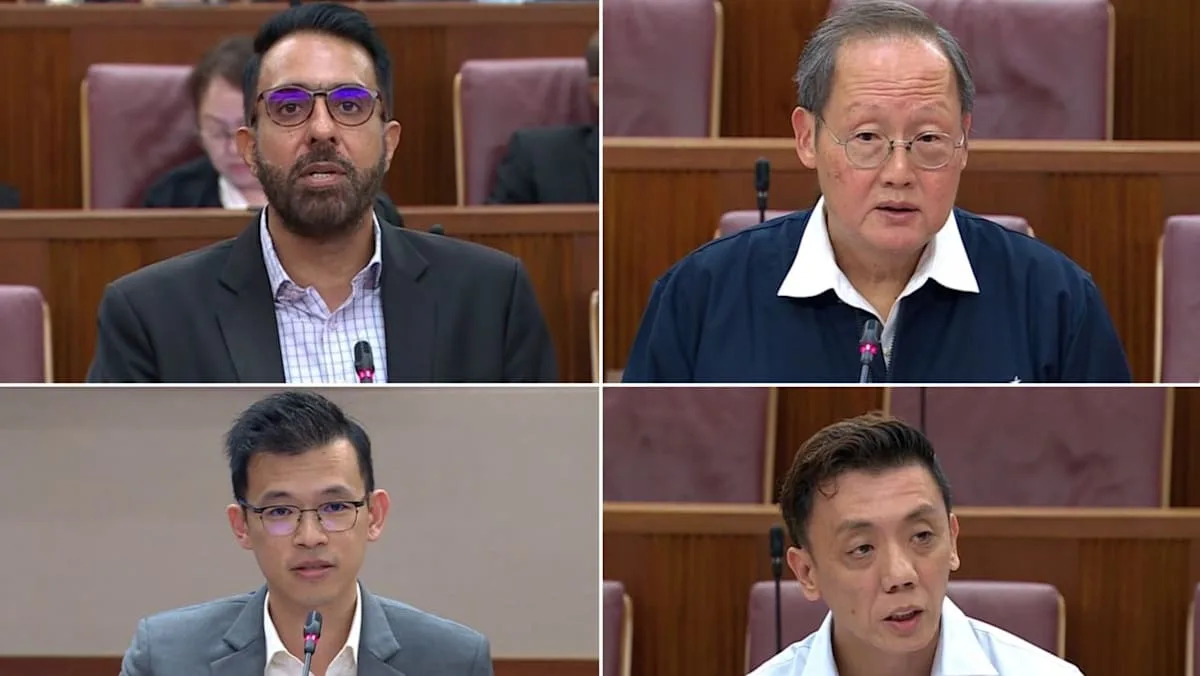
Minister for Trade and Industry Tan See Leng said financial support during unemployment or retraining offers workers and families "breathing space" but stressed that aid must be linked to clear pathways back into sustainable work, not just compensation [4].
The opposition Workers’ Party urged the government to legislate minimum retrenchment benefits and create unemployment insurance as part of a new economic growth model prioritizing worker well-being beyond GDP growth. Party chief Pritam Singh said, "This legislative omission in our employment laws sits in stark contrast to the reality our workers face, as set out by the ESR report" [4].
The Economic Strategy Review’s final report was issued on June 24, recommending stronger support for workers including considerations around retrenchment benefits [4]. Minister Dinesh made his announcement during a parliamentary debate on a Workers’ Party motion on August 5 [1, 2, 3, 4].
The government’s next step will involve detailed consultations with unions and employers to gather feedback before any legislation is proposed or drafted.