Singapore’s agency coordinating climate policies announced plans to prioritize carbon markets, nature-based solutions, and climate adaptation as it assumes the ASEAN chairmanship in 2027 [1, 2, 3, 4, 5]. The focus aims to tackle Southeast Asia’s unique challenge of reducing emissions while sustaining economic growth in a region vulnerable to climate change impacts [1, 2, 3, 4, 5].
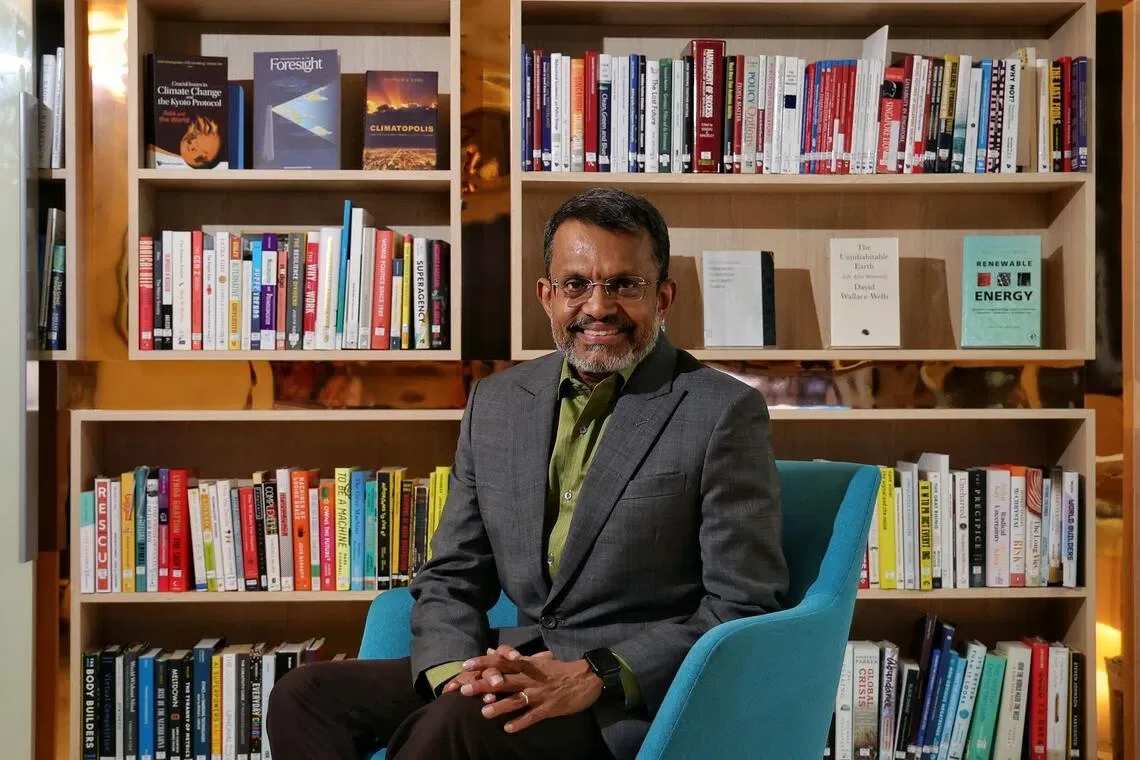
Ravi Menon spoke at the Southeast Asia Climate Conversations event on May 21, 2026, explaining the dual challenge facing the region. “If you can’t decouple growth in GDP and growth in emissions, then you’ll be forced to choose one over the other, and that’s not a choice that we want to make in South-east Asia,” he said [1]. He added, “Resolving this trilemma requires governments, industry and finance to work in concert” [1].
Southeast Asia is the only major region where economic expansion is still linked with rising emissions, complicating efforts to meet climate goals without slowing growth [1, 2, 3, 4, 5]. The region is highly exposed to rising sea levels, extreme heat, and intensifying weather events. It currently faces about 100 climate disasters each year, impacting approximately 80 million people — often hitting vulnerable communities hardest, Menon noted [5]. By mid-century, the region may see 60 more days of extreme heat annually and sea-level rise above the global average [5].
Carbon markets in Southeast Asia hold significant potential for emissions reduction projects, including high-quality credits from initiatives like mangrove restoration [1, 2, 3, 4]. Challenges remain, however, around ensuring the integrity of credits and securing sufficient project financing. Singapore is working with groups such as the Integrity Council for the Voluntary Carbon Market to strengthen rules and rebuild trust. Menon said, “The answer is not to abandon carbon markets, but to rebuild integrity so that financing can follow” [1].
Nature-based solutions also offer promising emissions removal methods but remain under-invested due to difficulties measuring and monetizing their benefits [1, 2, 3, 4]. Examples include planting mangroves and seagrass, as well as preventing peatland deforestation [1, 2, 3, 4]. Singapore is exploring innovative financing options like blended finance to support these approaches [1, 2, 3, 4].
The region’s energy demand is expected to double by 2040, adding further pressure on climate and development considerations [5]. Singapore’s chairmanship in 2027 will seek cooperative action on these fronts among ASEAN nations [1, 2, 3, 4, 5].