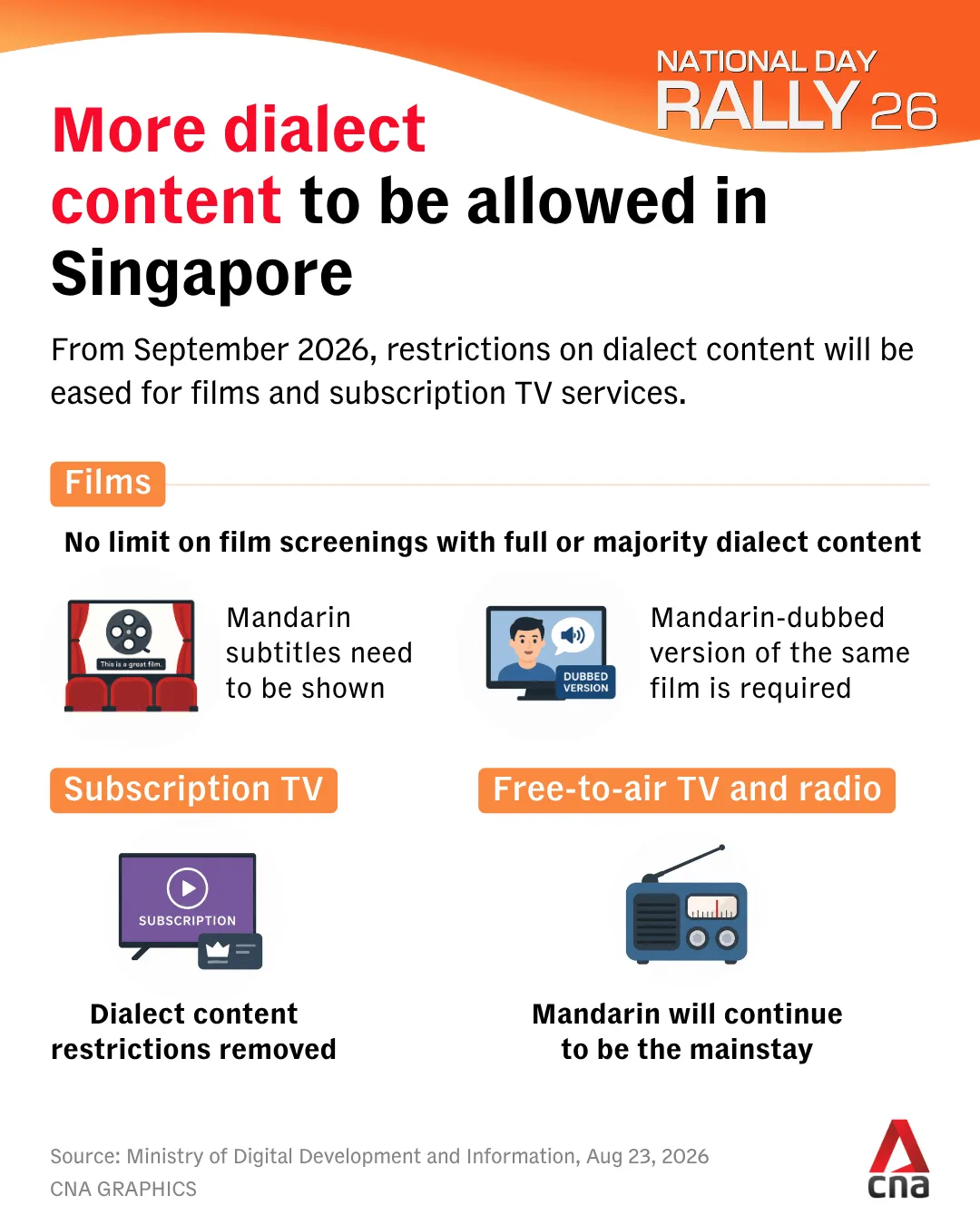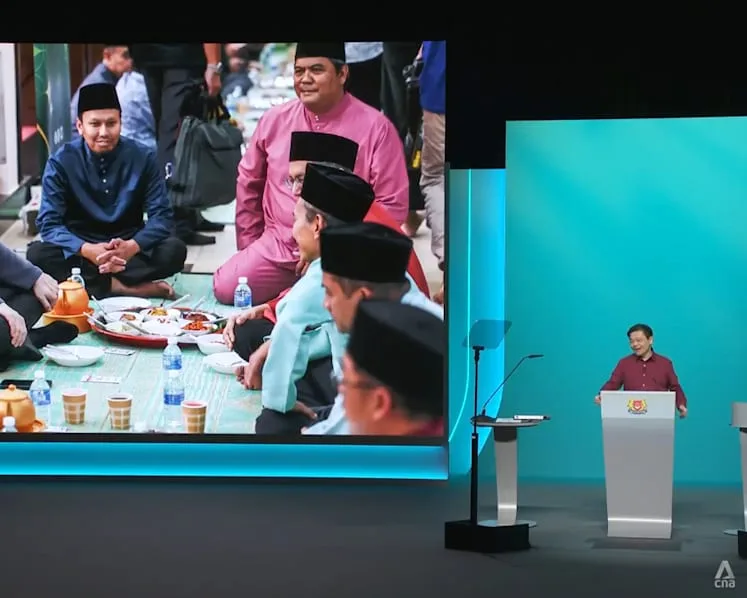
Singapore will remove the cap on the number of screenings for dialect films provided a Mandarin-dubbed version is also available, Prime Minister Lawrence Wong said at the National Day Rally on August 23, 2026 [1, 2, 3, 4, 5, 6]. Wong said, "Currently, there is a limit on the number of screenings of dialect films. We will relax this rule. So long as a Mandarin-dubbed version is available, there will be no cap on the number of dialect screenings" [2].
Free-to-air broadcasts will still mainly use Mandarin. However, restrictions on paid television and cinema screenings of dialect content will be eased [1, 2, 3, 4, 5, 6]. The Ministry of Digital Development and Information said these updated guidelines, including lifting restrictions on subscription TV dialect content, will take effect in September 2026 [1, 6].
To qualify for the lifted cap, films must have both a Mandarin-dubbed version and Mandarin subtitles, applying to films entirely or mostly in dialects [6]. Current rules limiting subscription TV content, such as permitting only one dialect arthouse movie weekly or capping dialect songs on music channels, will also be removed [1, 6].
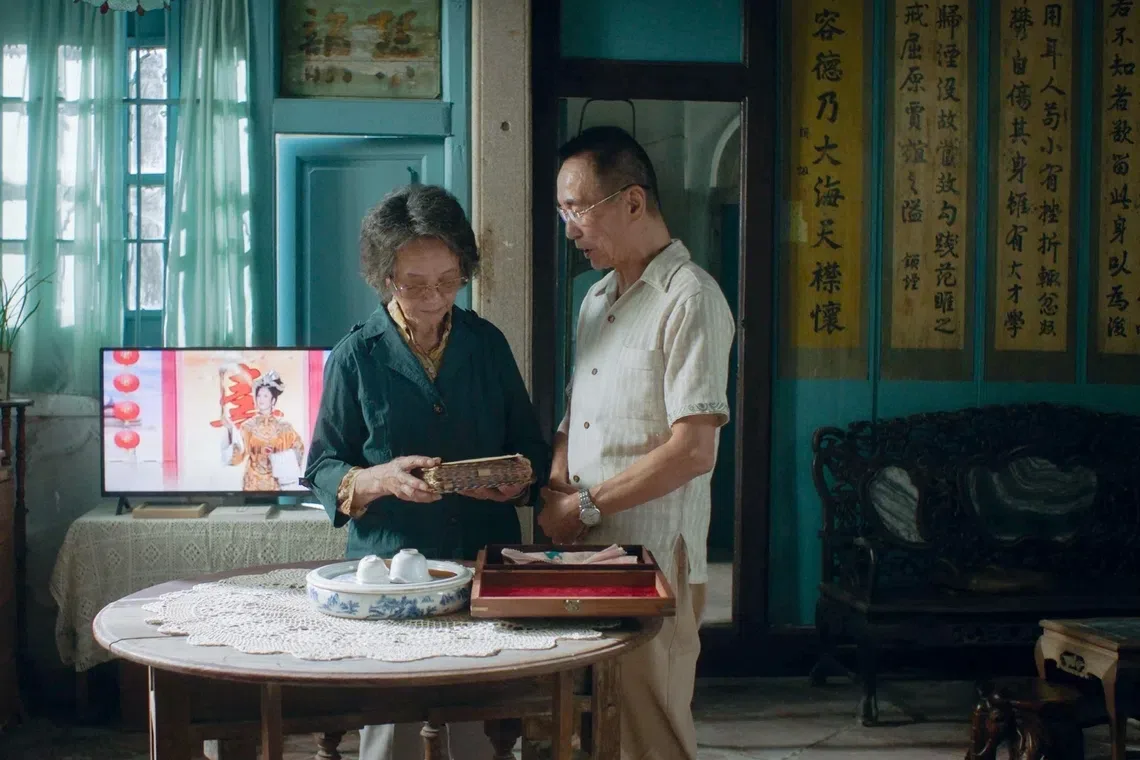
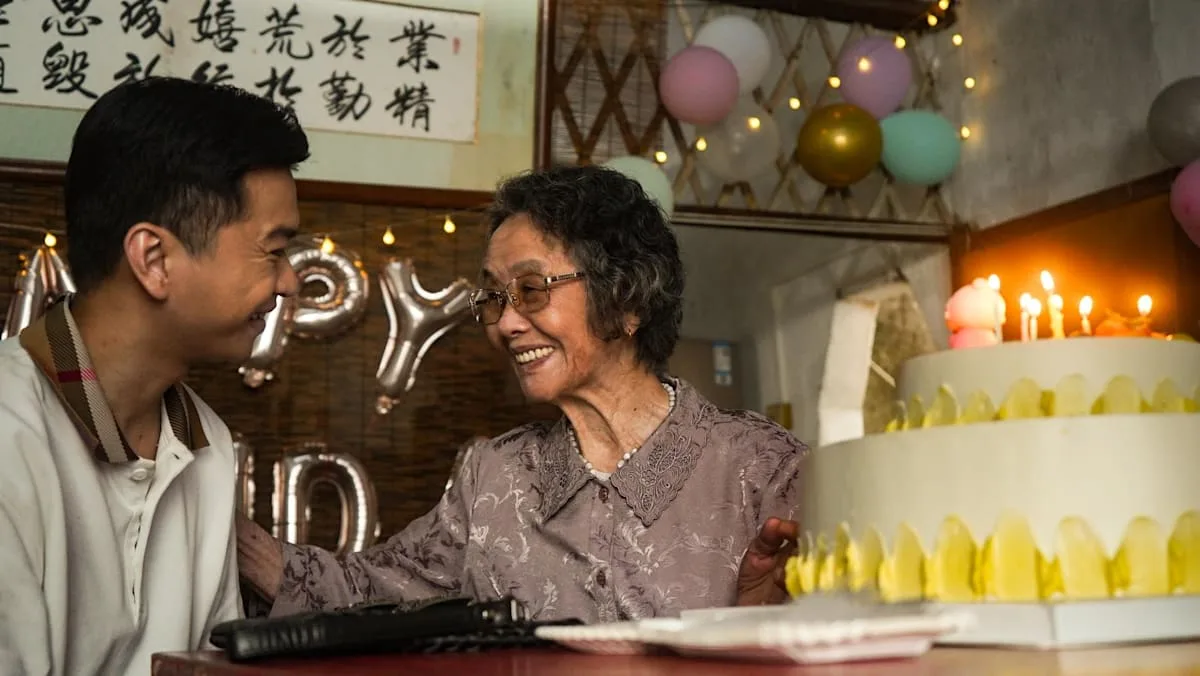
The policy changes follow public discussion after the Chinese film Dear You, mostly in the Teochew dialect, faced limited screenings initially, capped at 10 for the dialect version [1, 2, 3, 4, 5, 6]. After review, more than 1,000 Teochew screenings were approved [1, 6]. On June 16, the Infocomm Media Development Authority said the Mandarin-dubbed version of Dear You would be screened widely while the Teochew version was limited to festivals and niche audiences [s1–s6]. Senior Minister of State Tan Kiat How said on July 7 Parliament was reviewing film guidelines related to dialect use [2, 3, 4, 5].
The Speak Mandarin Campaign, launched in 1979 to promote Mandarin over dialects among Chinese Singaporeans, remains a key framework for language policy [s1–s6]. Prime Minister Wong stressed the need to "protect the 'hard-won gains' of the Speak Mandarin Campaign" even as more room is made for dialects [1]. Wong said, "Even as we promote the use of Mandarin, we can also make more room for dialects" [2].
Minister for Digital Development and Information Josephine Teo said she hoped the adjustments would help Singaporeans "rediscover, appreciate, and pass down the stories, expressions, and voices that connect us with the previous generation" through dialect arts [6].
The updated media guidelines lifting restrictions on dialect film screenings and subscription TV content are set to take effect in September 2026 [1, 6].