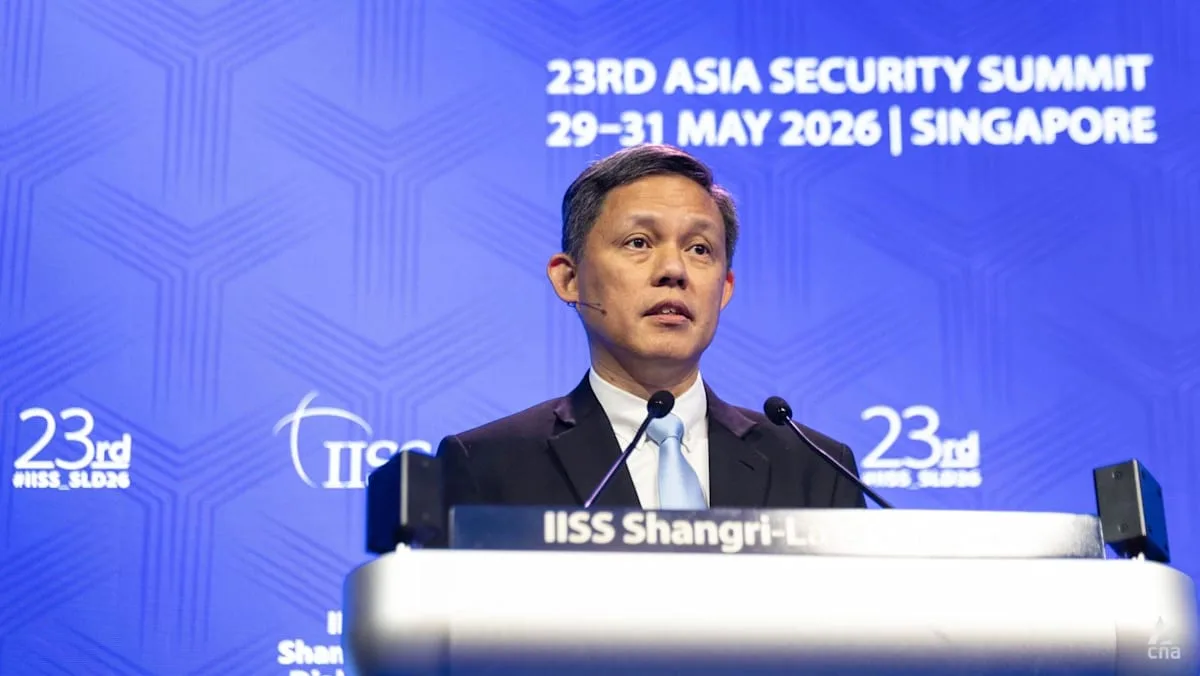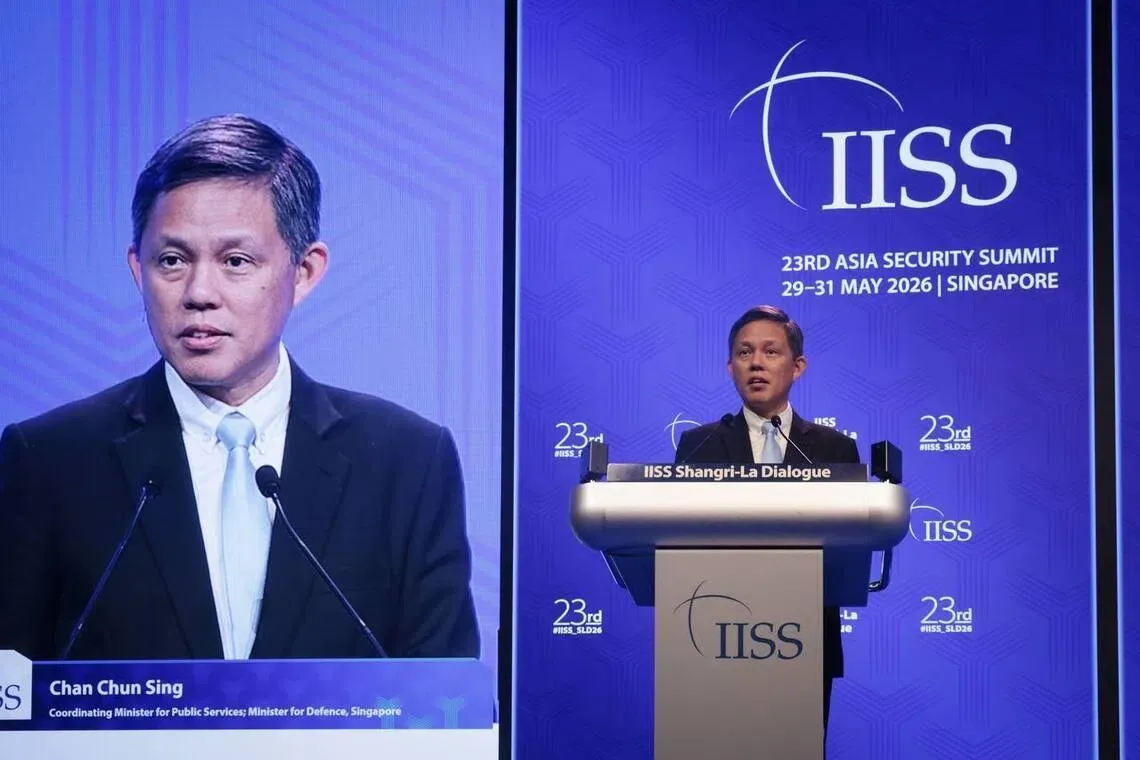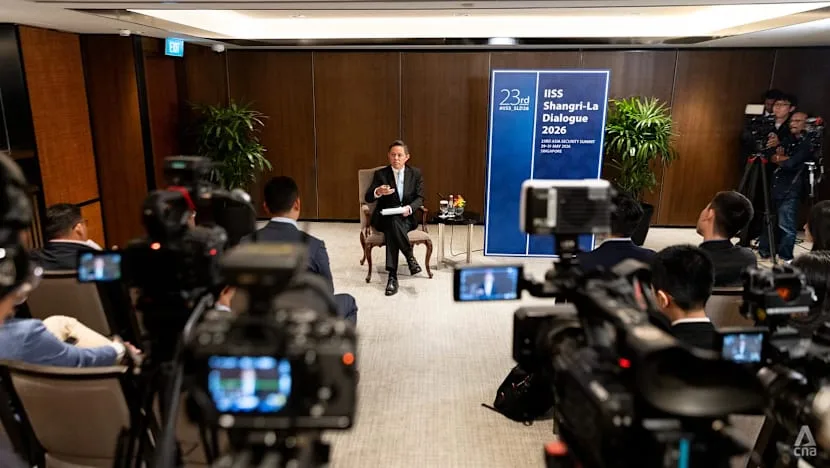
Singapore Defence Minister Chan Chun Sing urged countries to increase efforts to reassure each other as defence expenditure rises to avoid growing insecurity. Speaking at the 23rd Shangri-La Dialogue held May 29-31 in Singapore, Chan highlighted the need for consistent defence investment, building industrial capacity, and sustained personnel commitments to long-term defence efforts [1].
Chan called for flexible partnerships and "coalitions of the able and willing" to complement multilateral institutions in emerging domains such as cyber and artificial intelligence. He said these partnerships "serve as the connecting beams of our cooperative lattice – to bridge gaps, test ideas and path-find in new and uncharted territories" [2, 3, 4, 5].
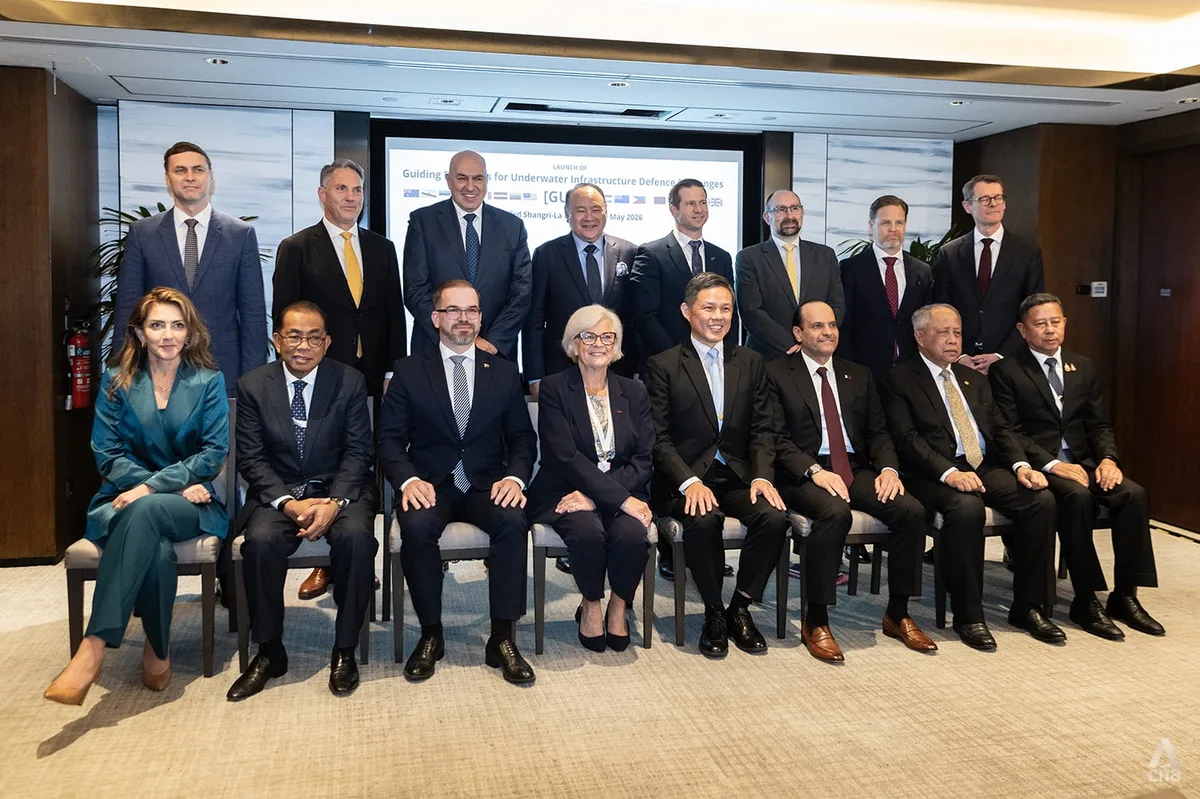
On May 30, Singapore led 17 countries to launch the Guiding Principles for Underwater Infrastructure Defence Exchanges (GUIDE) to protect critical underwater infrastructure. The initiative facilitates information sharing and early warning, marking a key step in multilateral cooperation [2, 3, 4, 6, 5].
Singapore has also partnered with the Netherlands and South Korea to begin global talks on military AI governance. In 2023, the city-state launched the ASEAN Defence Ministers’ Meeting Cybersecurity and Information Centre of Excellence to share information and strengthen defenses against cyber threats, disinformation, and misinformation [2, 3, 4, 5].
Chan stressed the importance of upholding international law, including the United Nations Convention on the Law of the Sea (UNCLOS), for global stability [2, 3, 4, 5].
He cautioned that defence spending alone does not determine capabilities. "What matters is how innovative ideas are and how much 'bang for the buck' one can get for the same or less expenditure," Chan said [7, 8, 9, 10]. He noted some countries that adopt a "feast or famine" defence spending approach fail to build commensurate capabilities. "It takes years to train a pilot, a sailor and so forth. It takes even more years for us to build up the scientific community, the technological capabilities," he said [7].
Singapore’s defence spending stands around 3% of GDP, but the Singapore Armed Forces has support to increase spending up to 6% if needed. At the 2025 Shangri-La Dialogue, US Secretary of War Pete Hegseth urged Indo-Pacific allies to raise defence spending from the current 3.5% of GDP toward a 5% target by 2025 [7, 8, 9, 10].
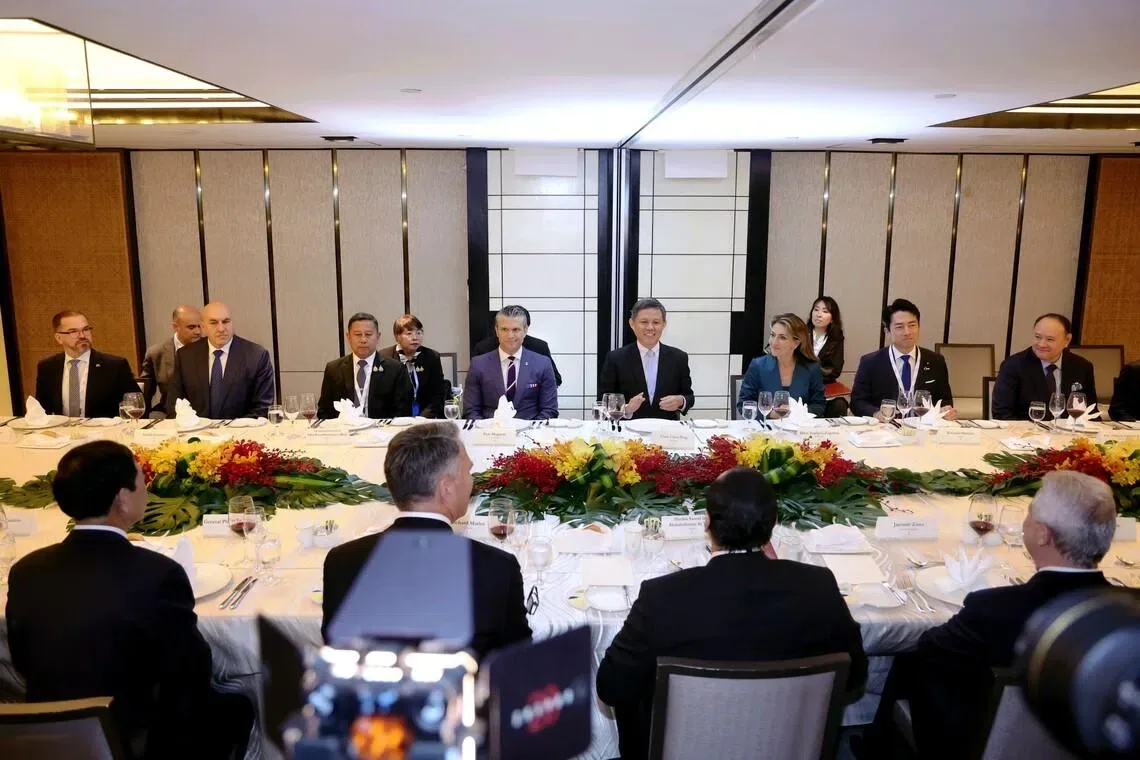
Chan underlined the value of dialogue platforms like the Shangri-La Dialogue in reducing misunderstandings and miscalculations. He said "from those conversations through subsequent bilateral and multilateral conversations, we are able to get so many countries within the last 12 months to come on board to start this initiative" [6].
China participated with a delegation from the PLA National Defence University but did not send its defence minister for the second consecutive year. Chan discouraged labeling China’s participation as "low-level," saying, "I personally don't look down on people and cast them as whether they are low-level or high-level. I think we respect the Chinese participation" [6].
The Shangri-La Dialogue concluded on May 31 with ongoing discussion planned on strengthening partnerships across traditional and emerging security domains.