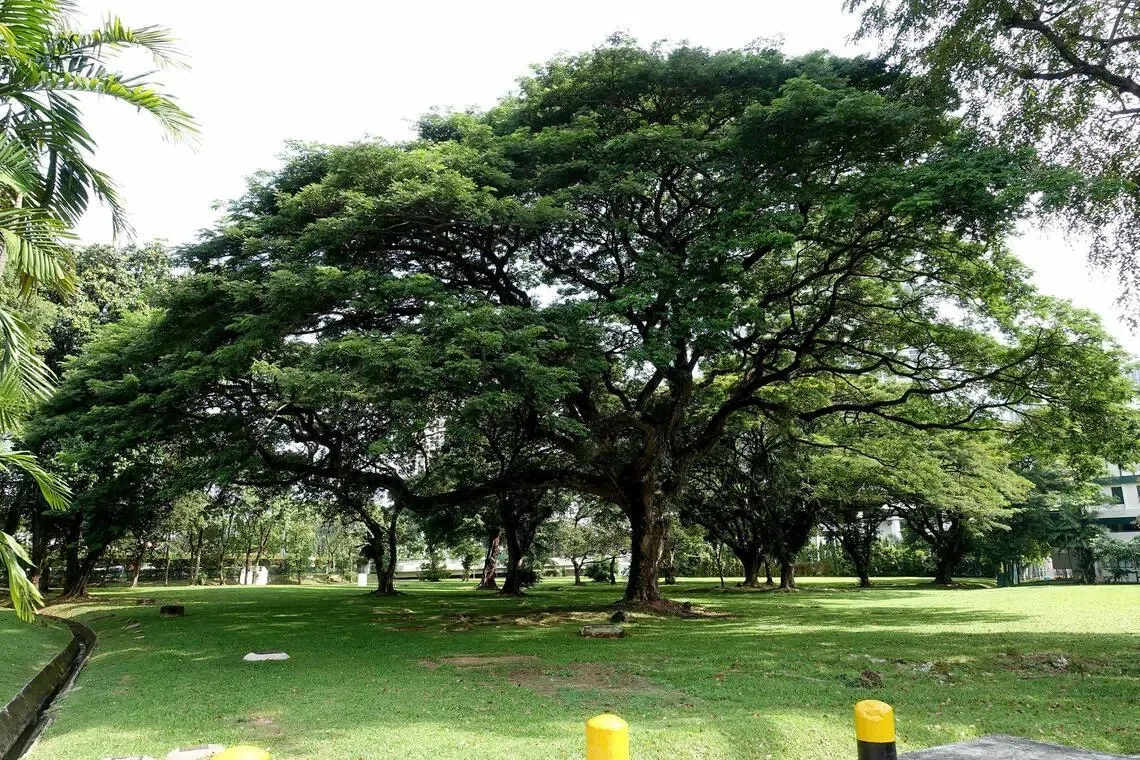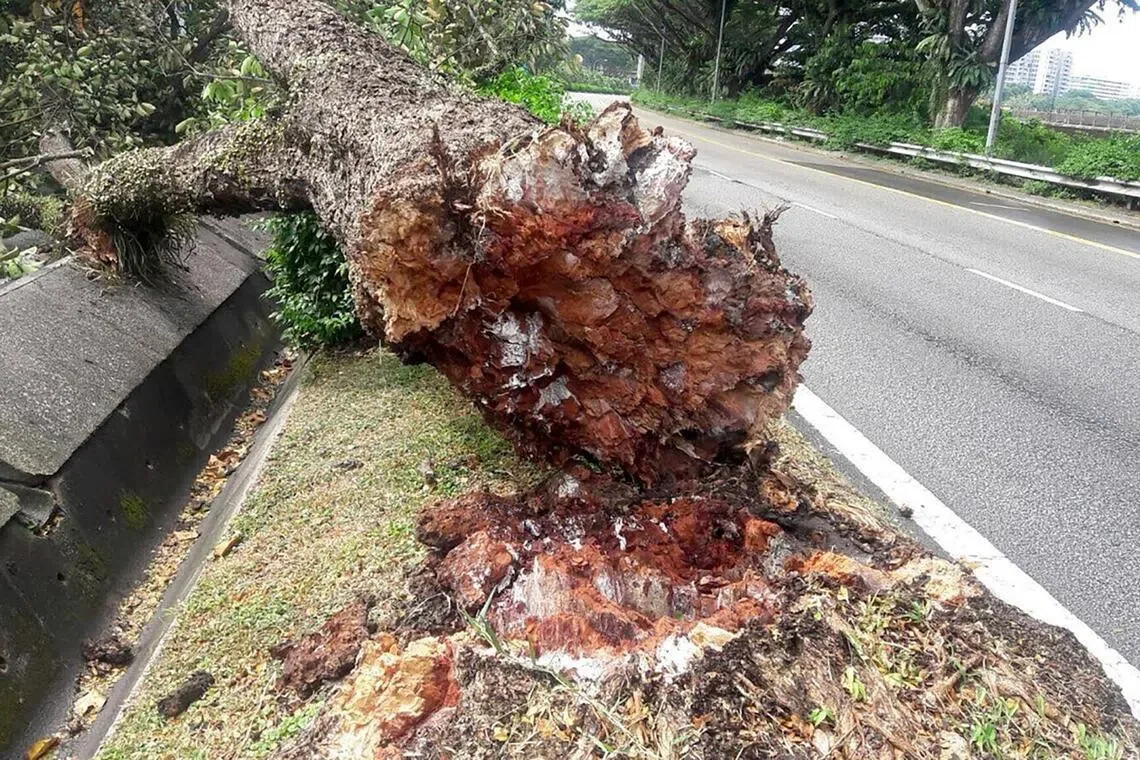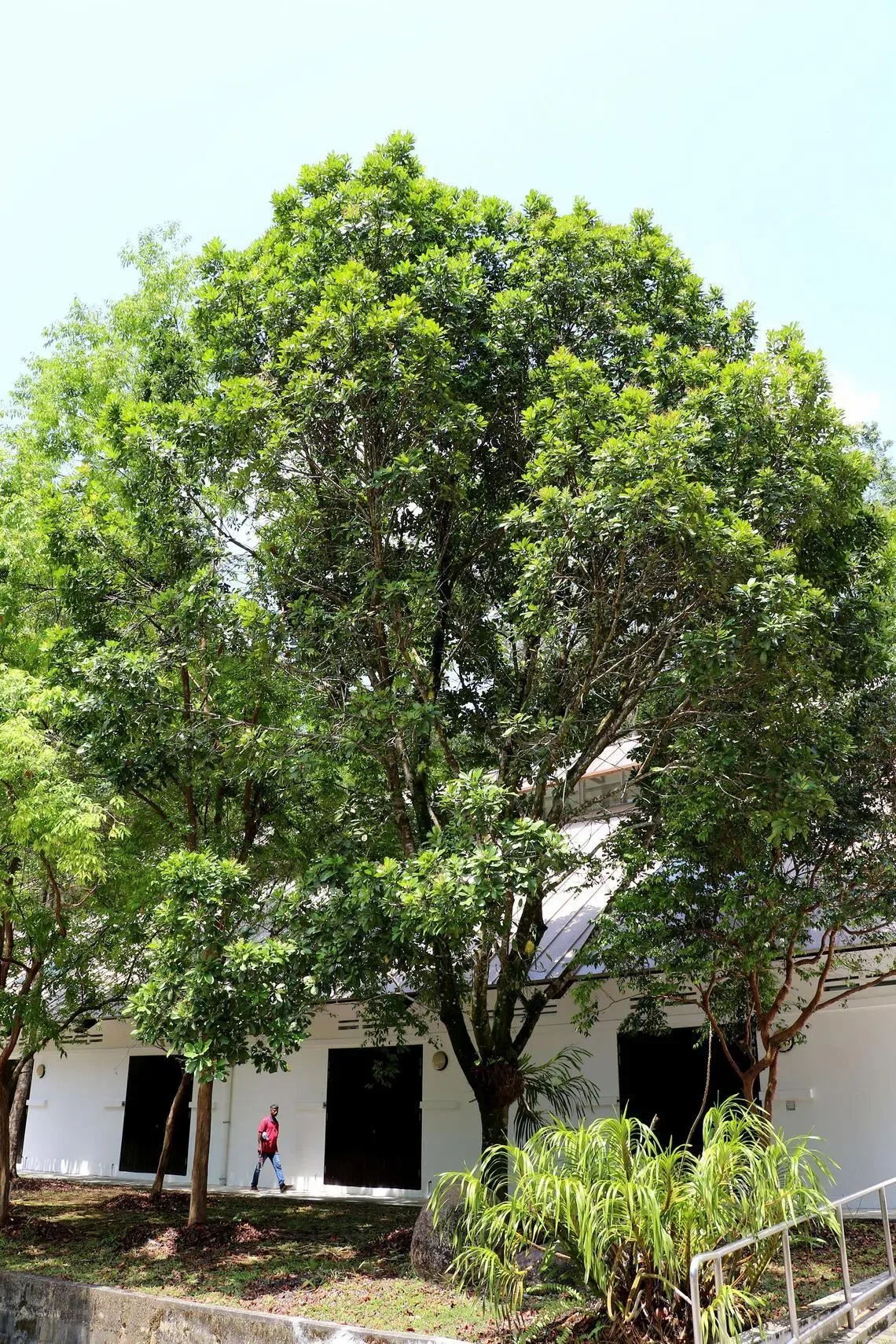
Singapore's National Parks Board (NParks) has cultivated over 900 tree species throughout the city-state's streetscapes, parks, and park connectors to enhance urban greenery and biodiversity [1, 2]. NParks group director for streetscape Oh Cheow Sheng explained, "Species are selected for different purposes, including providing shade, visual relief, supporting biodiversity, and strengthening ecological connectivity across our green spaces" [1, 2].
The board implements urban forest renewal programs that selectively replace trees and introduce greater species diversity based on ecological value and site suitability. This approach aims to sustain the health and resilience of urban forests while enhancing habitats for local fauna [1, 2].
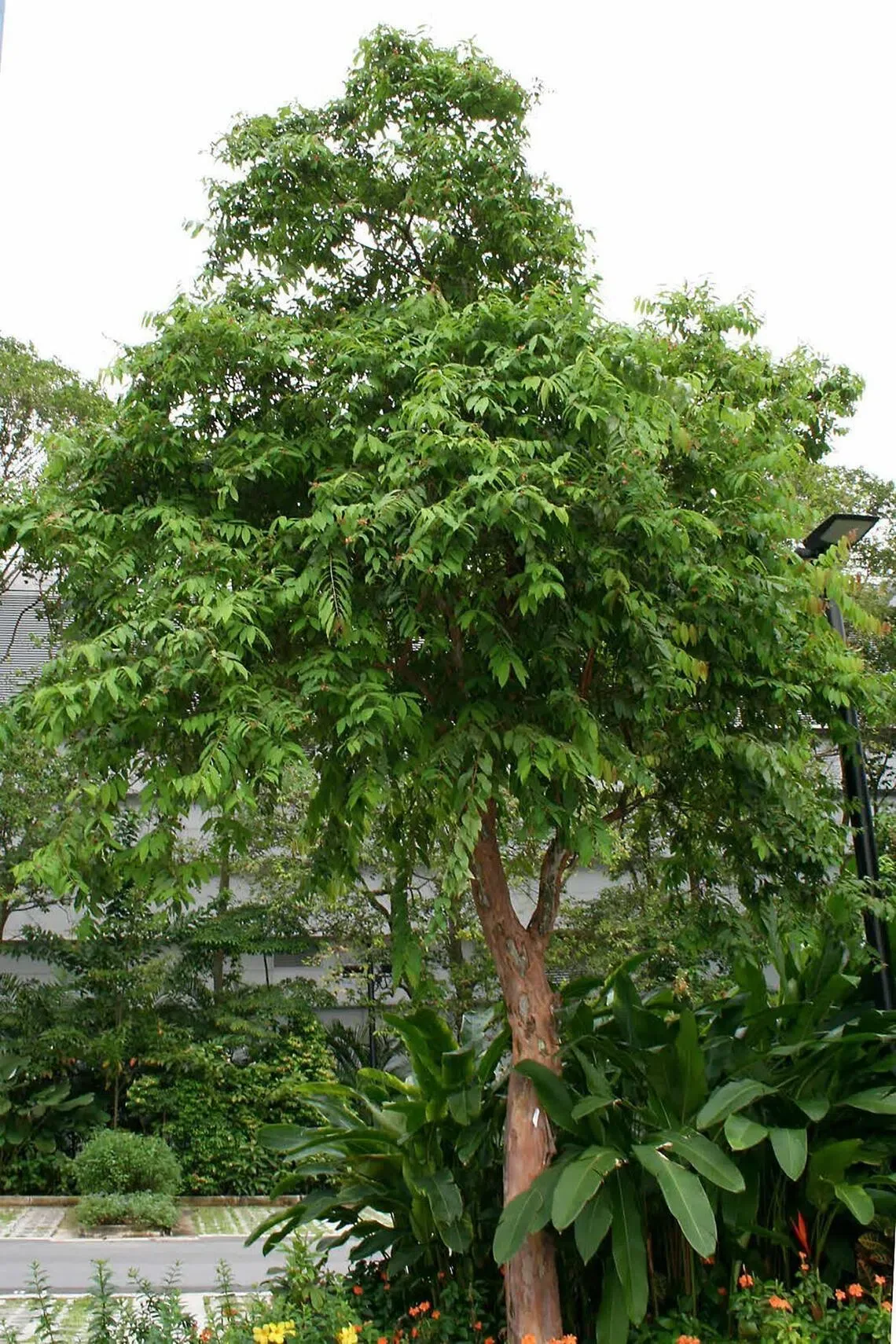
Among the notable species planted is Yellow Cow Wood (Cratoxylum cochinchinense), which can grow up to 30 meters tall. It serves as a preferred host plant for caterpillars of butterflies like the common grass yellow, with its deep red flowers pollinated by insects [1, 2].
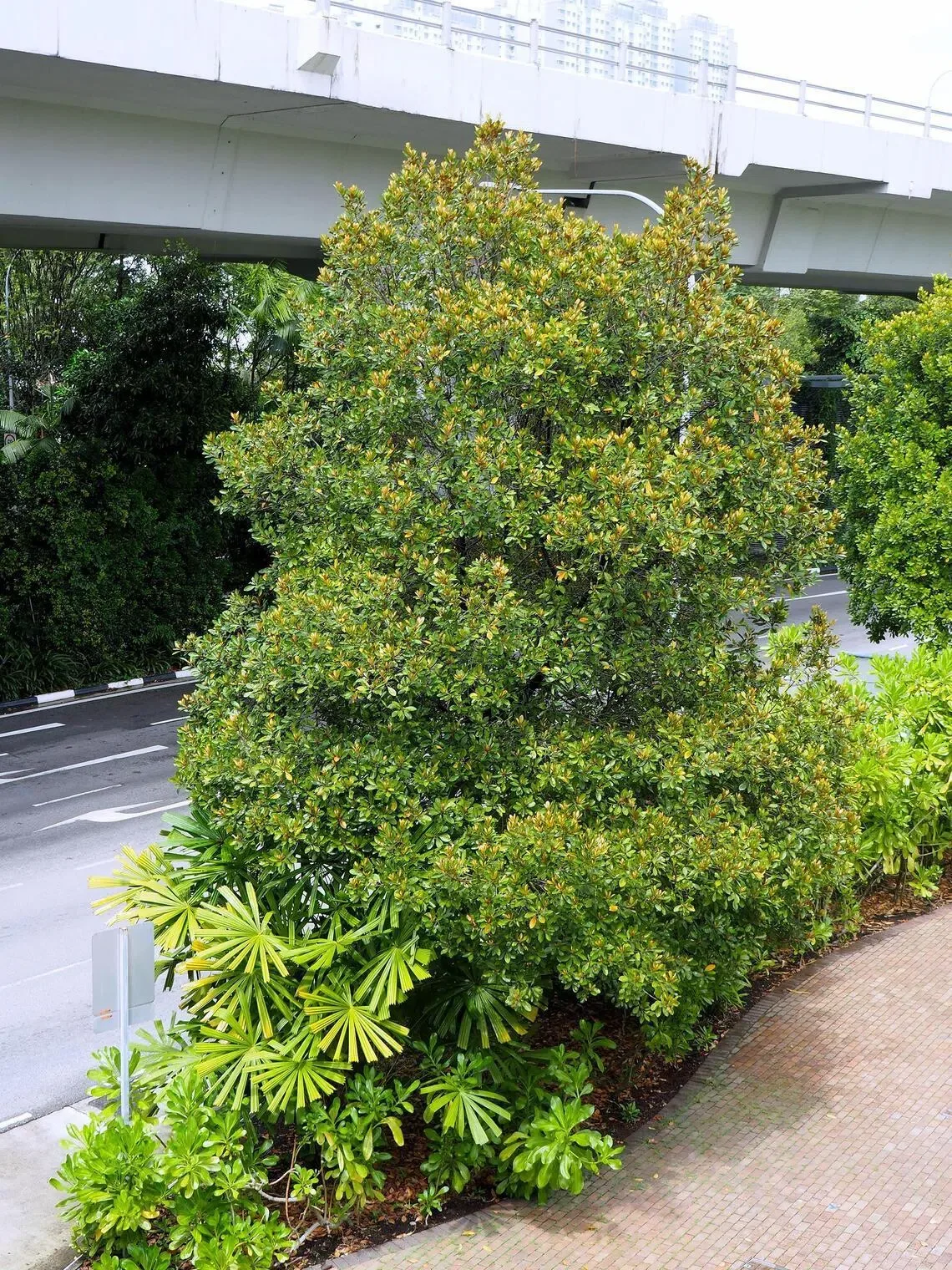
Shore Laurel (Neolitsea cassia) is another species providing critical ecological functions. Its tiny greenish flowers give way to fruits that change from reddish to black when ripe, which birds consume. It supports the common bluebottle butterfly as a host plant [1, 2].
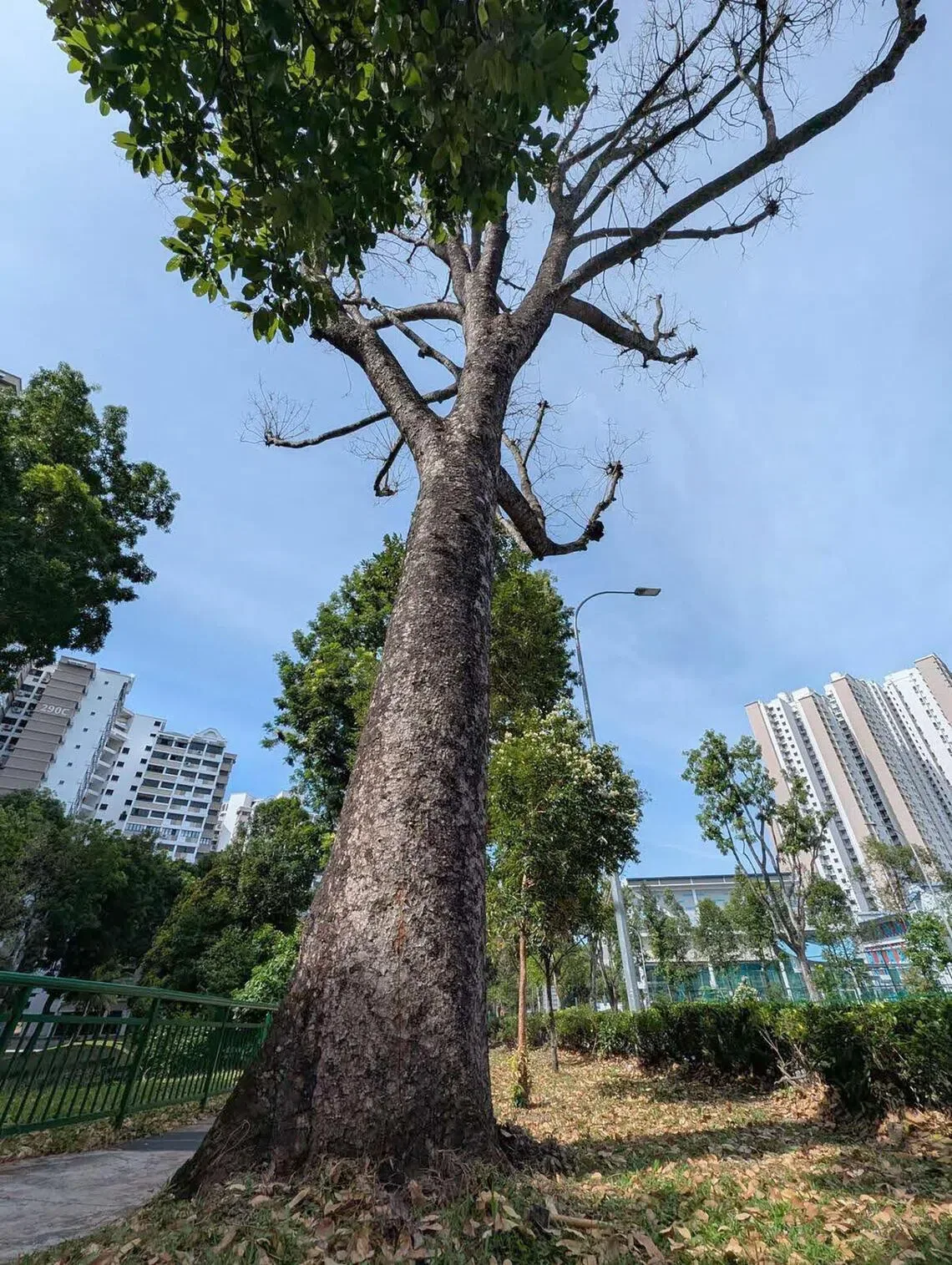
The critically endangered Common Sterculia (Sterculia parviflora) has a height potential of 35 meters. Trees bear fruit roughly 4 to 5 years after planting, with flowers pollinated by flies and beetles. Birds feed on its seeds, aiding natural propagation [1, 2].
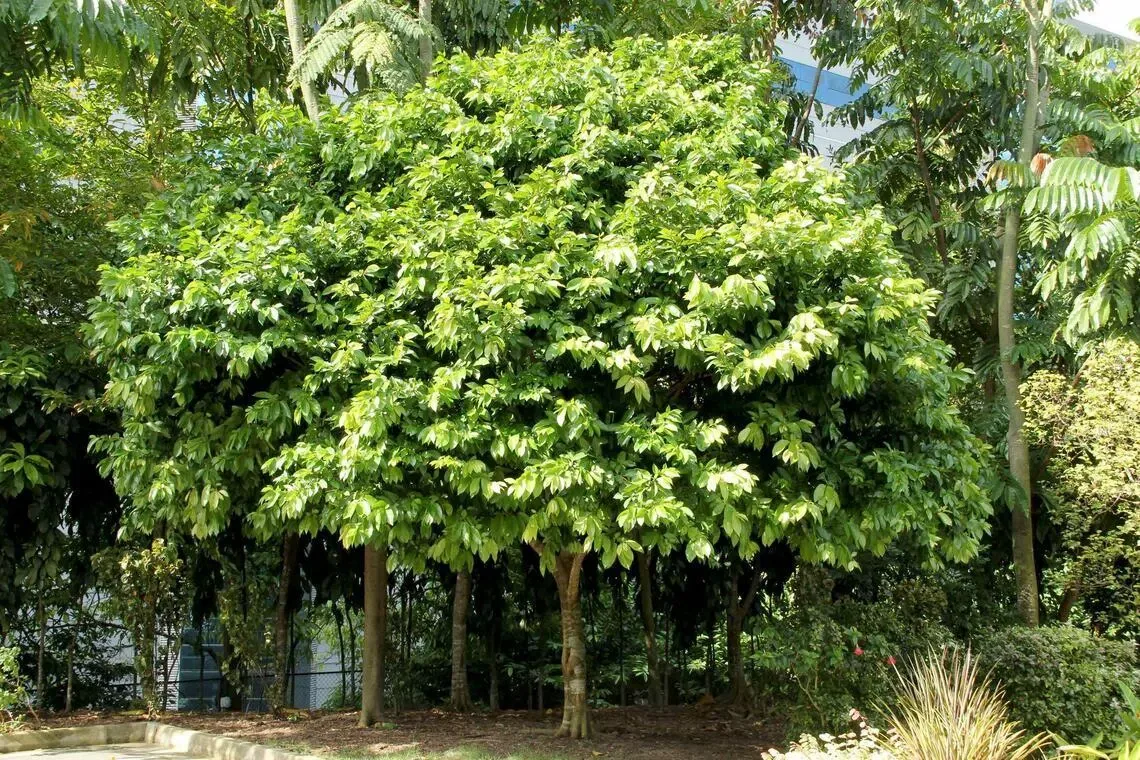
Sparrows’ Mango (Buchanania arborescens) thrives in roadside conditions and various soil types. It features leathery leaves and cream-colored flowers pollinated by insects. This tree also supports a small moth species native to Southeast Asia [1, 2].
NParks continues to oversee these plantings to maintain and expand Singapore's urban forest. Their practices balance ecological goals with enhancing the city's livability and green connectivity.