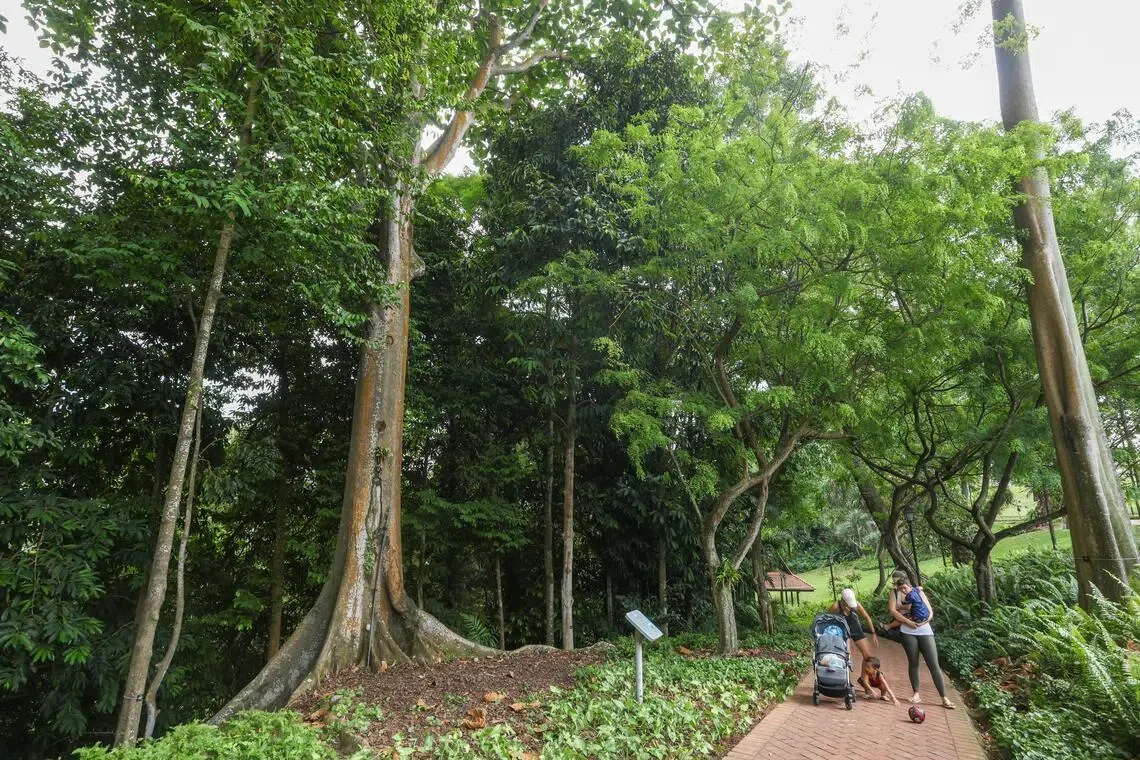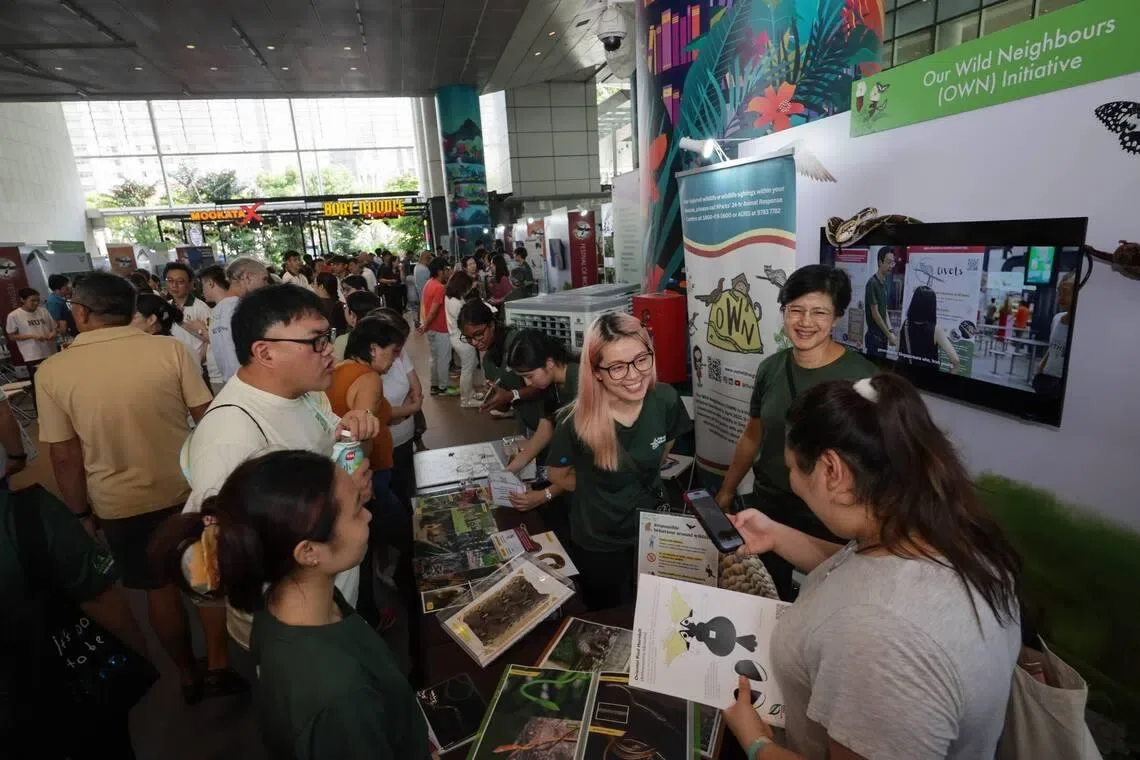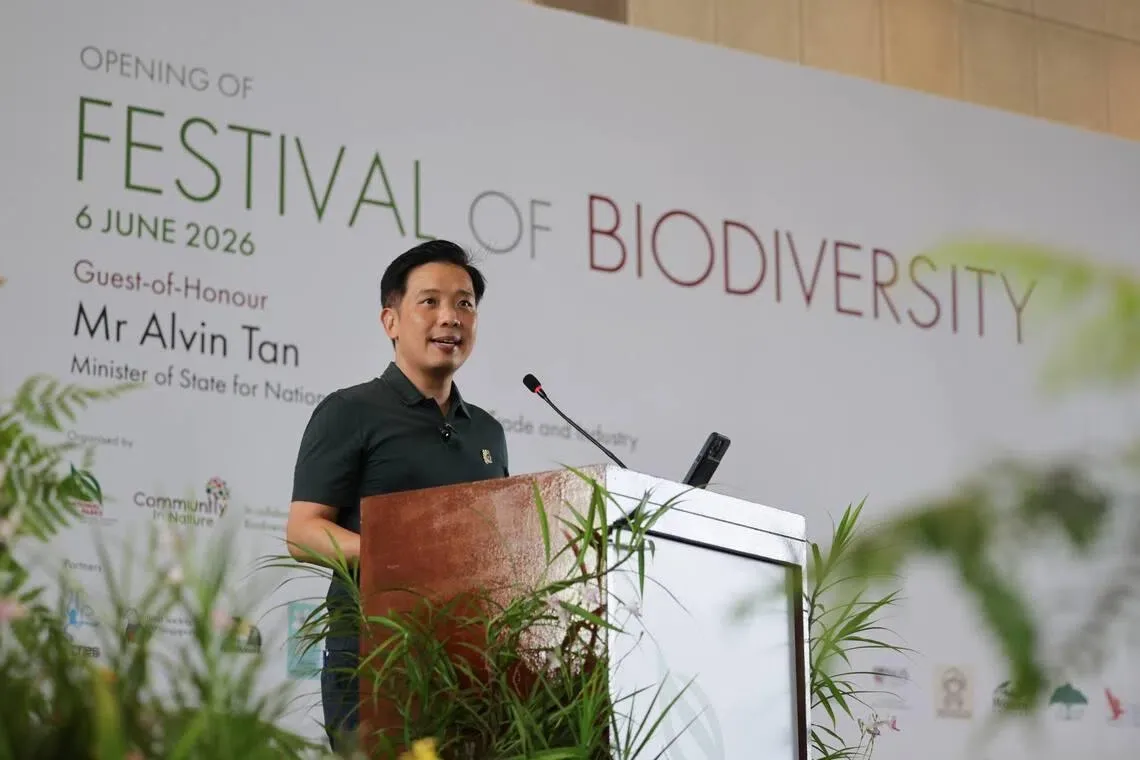
Singapore’s older forests have seen a marked decline in large trees over the past 30 years, primarily due to storm damage, according to research presented at the Festival of Biodiversity 2026 on June 6 [1, 2, 3]. A study tracking trees measuring 30 cm or more in diameter in the Central Catchment Nature Reserve found a drop from 121 trees per hectare in 1992 to 87 per hectare in 2022 [1, 2, 3].
NParks highlighted the loss of “mother trees,” mature trees that produce most of the fruits and seeds sustaining local wildlife and forest regeneration. Chong Kwek Yan, NParks deputy director for forest ecology, said, “Mother trees are mature trees that play a key role in the ecosystem, producing the majority of the fruits and seeds that feed local wildlife and propagate the next generation of forests” [1].
The decline in large trees is expected to worsen with climate change effects. Wind speeds could increase by up to 20 percent by the end of this century, raising risks of tree topple during storms, Chong added: “With adverse weather conditions expected to intensify due to climate change, the loss of these trees is likely to become a challenge” [2, 3].
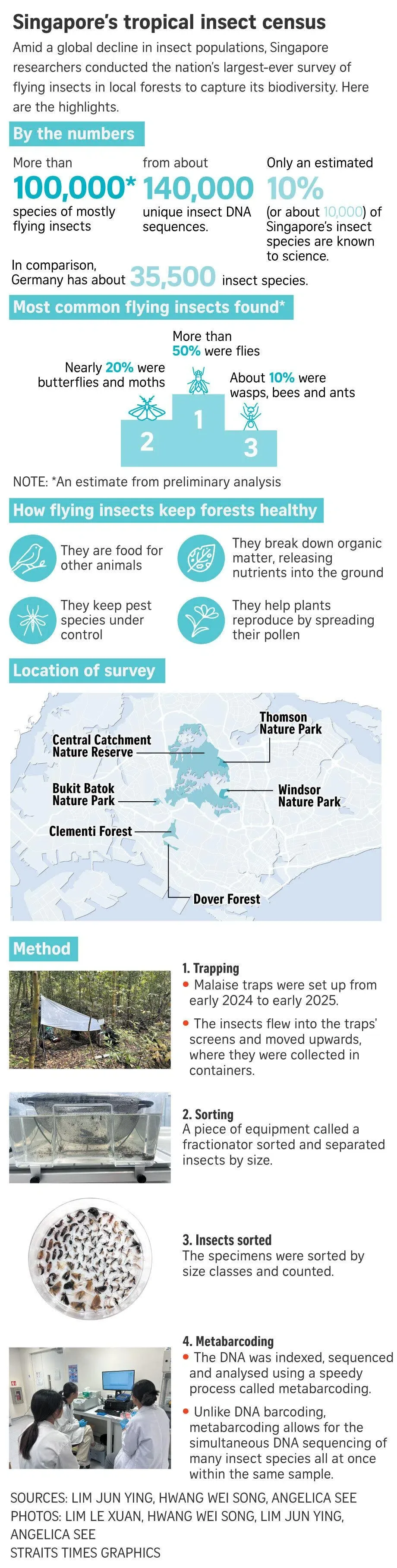
In addition to tree losses, a recent survey estimated more than 100,000 insect species inhabit Singapore’s forests, though only about 10 percent are currently known to science [1, 2, 3]. This high biodiversity underscores the ecological importance of preserving mature forest areas.
NParks plans to intensify surveys and seed collection focused on protecting mature trees to boost forest resilience. It also introduced an updated Nature Conservation Masterplan that emphasizes ecological connectivity, climate adaptation, urbanization concerns, and a new marine science institute [1, 2, 3].
The research and conservation initiatives highlight ongoing efforts to safeguard Singapore’s remaining forest ecosystems amid urban growth and changing climate conditions.