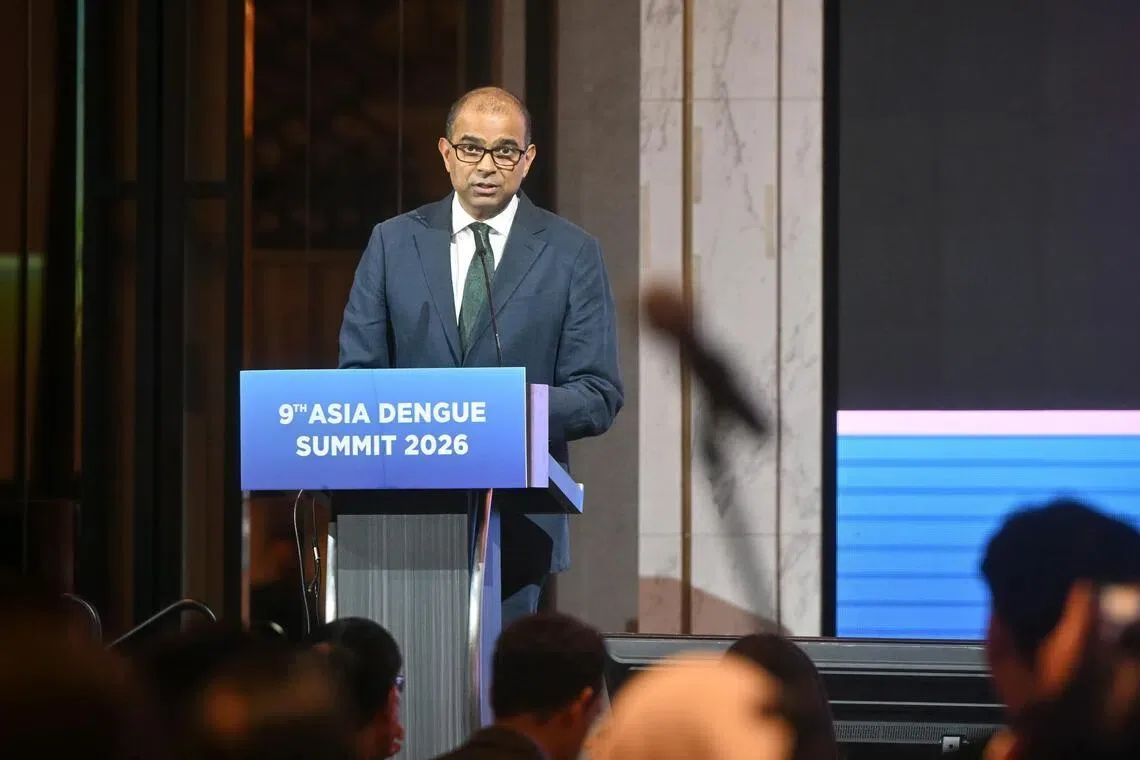
Six regional groups signed a memorandum of understanding (MOU) on June 15 at the 9th Asia Dengue Summit in Singapore to strengthen Asia’s response to rising dengue infections through knowledge sharing and coordinated efforts [1, 2, 3].
The groups signing the pact include the Singapore Dengue Alliance, Asia Dengue Voice and Action (ADVA), Philippines’ Empowering Networks to Defeat Dengue Coalition, Dengue Prevention Advocacy Malaysia, Indonesia’s Kobar Lawan Dengue, and the International Society for Neglected Tropical Diseases [1, 2, 3]. The Singapore Dengue Alliance itself is a new coalition formed by ADVA, the Singapore Red Cross, and Debug, a Google subsidiary [1, 2, 3].
The MOU establishes a regional framework aimed at advocacy, knowledge exchange, and coordinated action to combat dengue in Asia [1, 2, 3]. It recognizes the importance of community engagement, strict environmental hygiene, and resilient health systems to manage dengue’s "deceitful calm," as described by Senior Minister Janil Puthucheary [1]. He emphasized the global challenge to encourage widespread uptake and scaling of proven vector control tools such as Wolbachia technology [1].
Innovative biological approaches like Wolbachia and the Sterile Insect Technique have shown striking success in suppressing dengue transmission [1, 2, 3]. Singapore’s Project Wolbachia reduced dengue cases by 70% in 2025 compared to 2024, setting a strong example for the region [1, 2, 3].
Senior Minister Puthucheary said, "Our collective challenge now is how can we, as a global community, encourage widespread adoption and scaling of these proven vector control solutions?" He also noted, "Arboviruses like dengue possess a uniquely dangerous trait: a deceitful calm," underscoring the need for sustained vigilance and community involvement [1].