Slovenia revoked a 2025 ban on arms exports, transit, and most imports involving Israel on June 11, 2026. The ban was originally imposed by the previous government led by Robert Golob in July 2025 amid tensions over Israel’s actions in Gaza [1, 2].
The ban had stopped arms trade with Israel except for equipment needed for Slovenia’s own security. It also included entry bans on Israeli Prime Minister Benjamin Netanyahu and two Cabinet ministers. These measures reflected calls by the prior administration for EU-wide sanctions against Israel [1, 2].
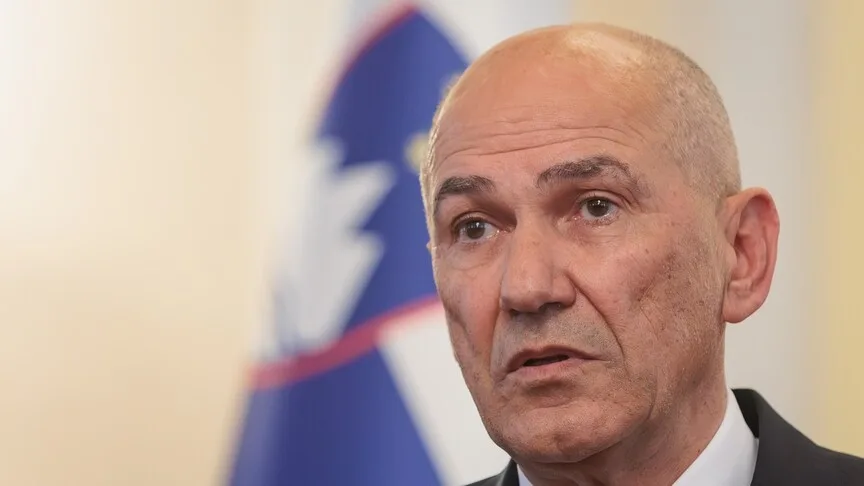
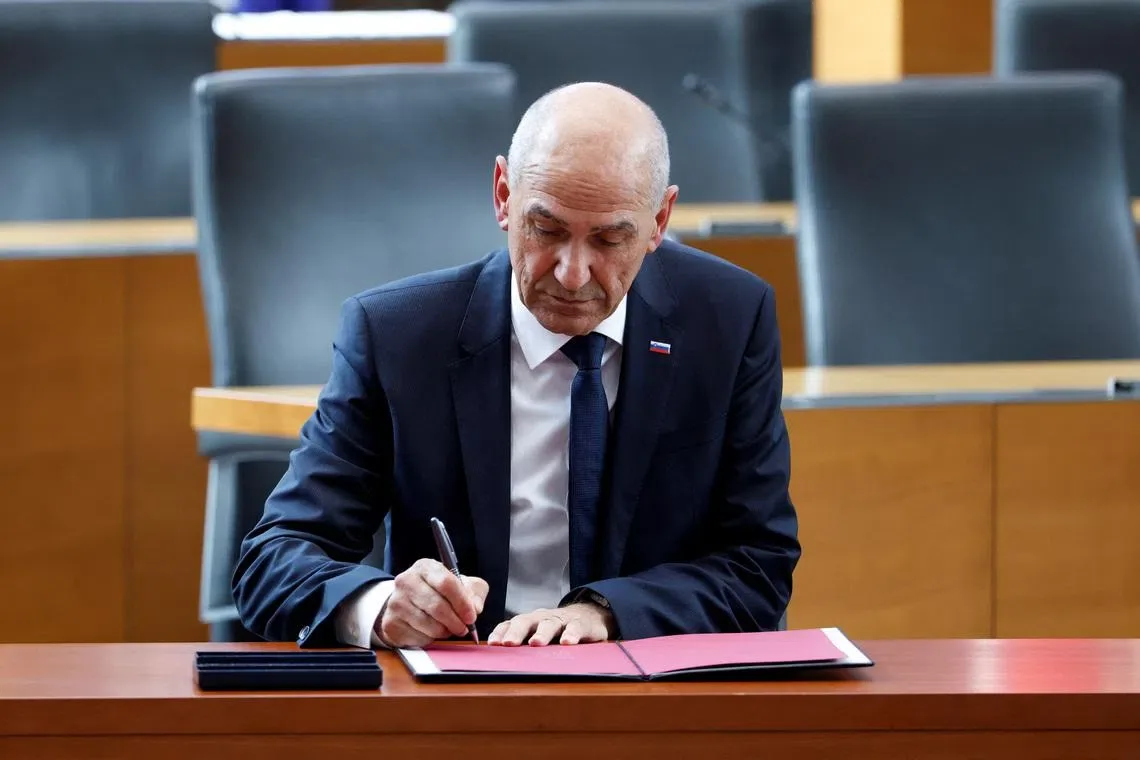
The new centre-right government headed by Prime Minister Janez Jansa lifted the arms ban and canceled the entry restrictions on Israeli officials along with other military cooperation sanctions. Slovenia’s parliament approved Jansa’s government in June 2026, ending a political deadlock that had lasted since elections in March 2026 produced no outright majority [1, 2].
The reversal marks a significant policy shift from Golob’s government. Jansa’s administration took office after parliamentary approval in June and moved quickly to restore military ties with Israel. The arms trade ban had been in place for nearly a year.
The Slovenian government said the arms ban exempted equipment necessary for national security [1]. The lifting of other Gaza-related restrictions indicates a broader rollback of Slovenia’s sanctions regime against Israel that had been introduced in mid-2025.
The next key political deadline in Slovenia will be upcoming parliamentary or regional votes, as Jansa’s government, now in place, begins its tenure. For now, military and diplomatic relations with Israel have returned to the status quo ante June 2025.