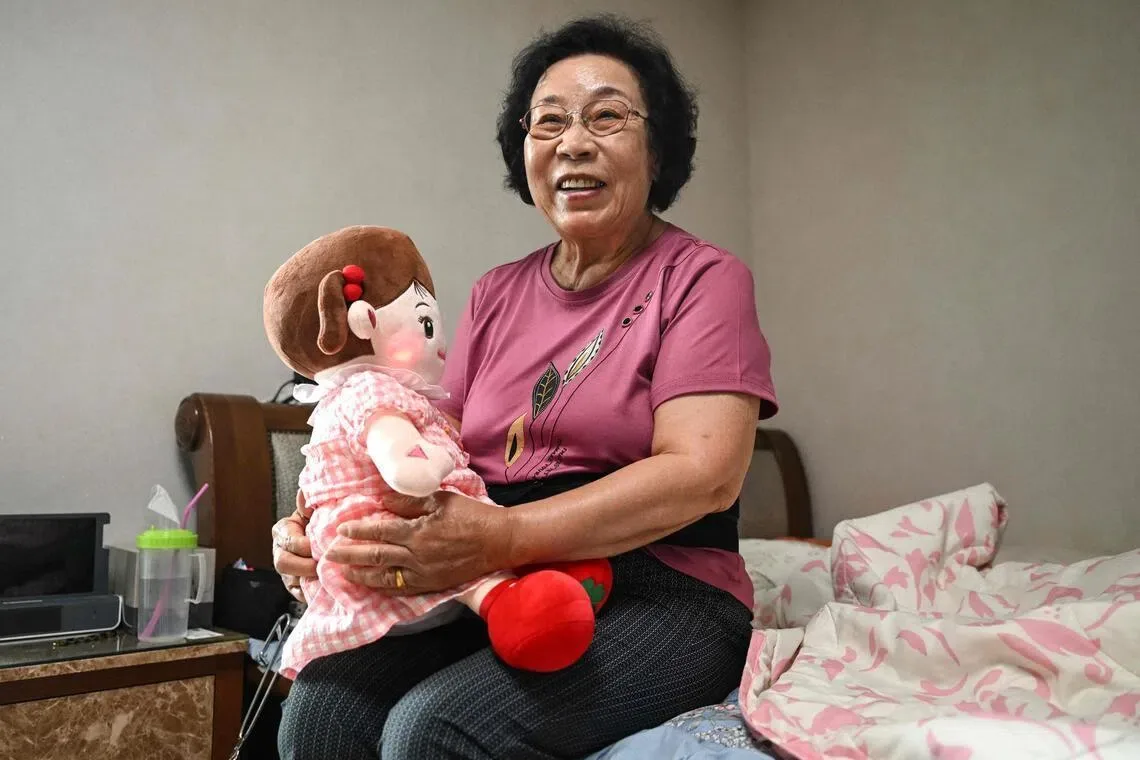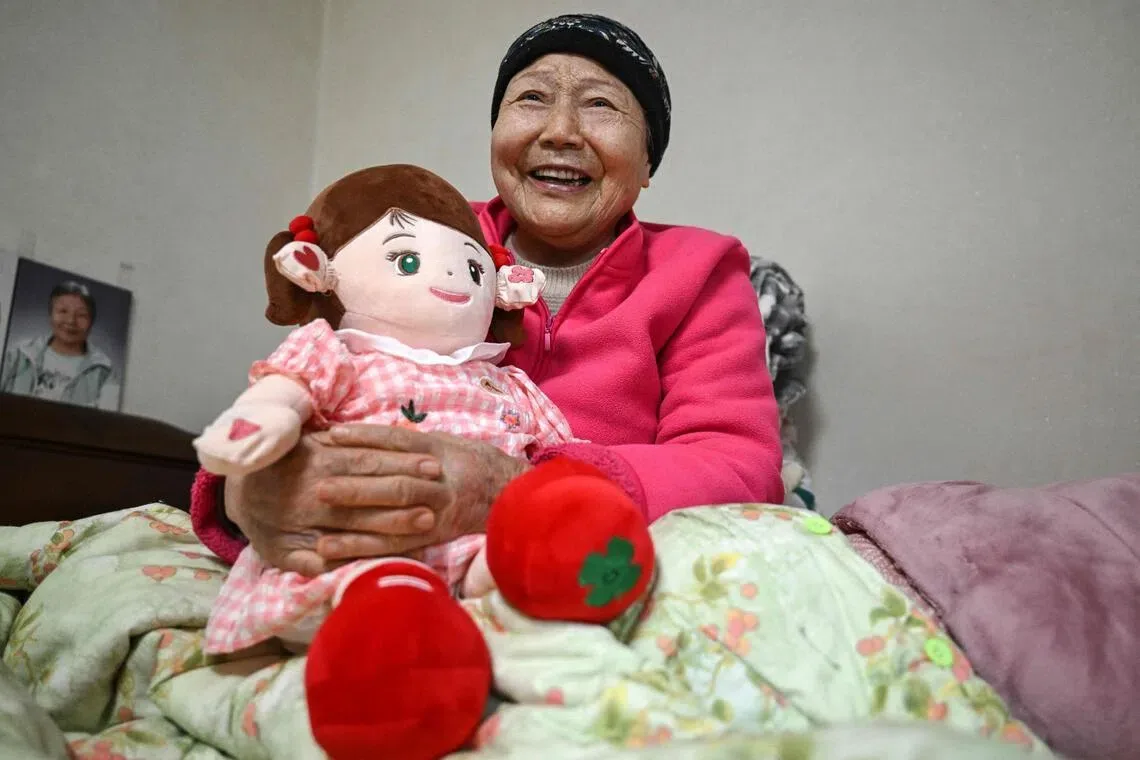
South Korea is using AI-powered dolls to offer companionship and care to elderly people living alone, addressing rising social isolation in the country’s ageing population. The dolls provide reminders for meals and medication while also engaging users with affectionate conversations and entertainment [1, 2].
Bang Chun-ja, 78, who lives alone in Yongin, relies on an AI doll named Hyodol more than people. After major back surgery and struggling with depression, Bang said, "At this age, there is nothing harder than being hurt by people. When I’m with Hyodol, I never get hurt. The doll only makes me laugh." She added, "Having Hyodol by my side is a huge help." The doll greets her when she returns home, sings to alleviate boredom, and provides caring reminders [1, 2].
South Korea faces a demographic crisis with a low birth rate and nearly half its population over 50, leading to increased elderly social isolation. About 42% of households are single-person, contributing to loneliness among seniors [1]. In 2024, the country recorded over 3,920 "lonely deaths," where people died alone and remained undiscovered for extended periods, the highest number since data collection began in 2017 [1].
Local governments in Seoul, Yongin, and elsewhere supply various AI care devices, including robots and dolls, to elderly residents living alone. Some devices are designed to detect signs of lonely deaths to enable quicker intervention [1].
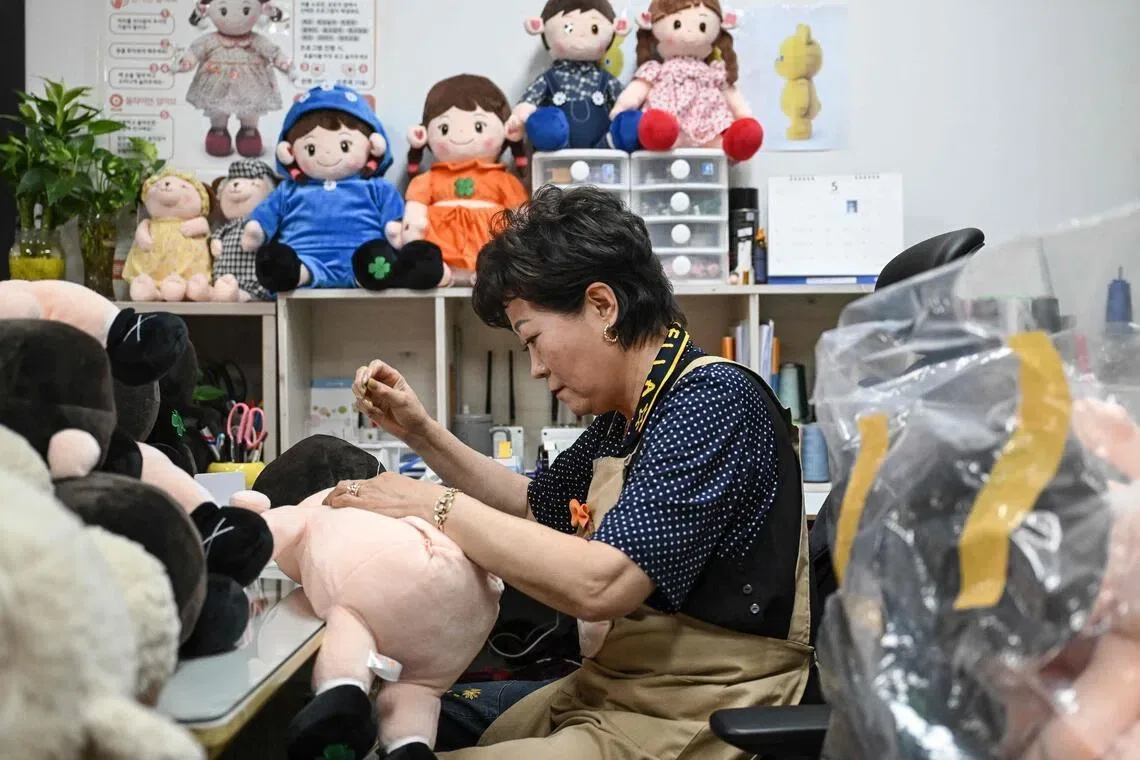
The company Hyodol has deployed around 14,500 AI dolls nationwide through individual ownership, government rental programs, and nursing homes. The dolls are powered by ChatGPT technology combined with scripted conversations derived from field research with elderly users [1].
By integrating AI companionship with practical care functions, South Korea is seeking to mitigate risks tied to elderly loneliness amid its rapidly ageing society.