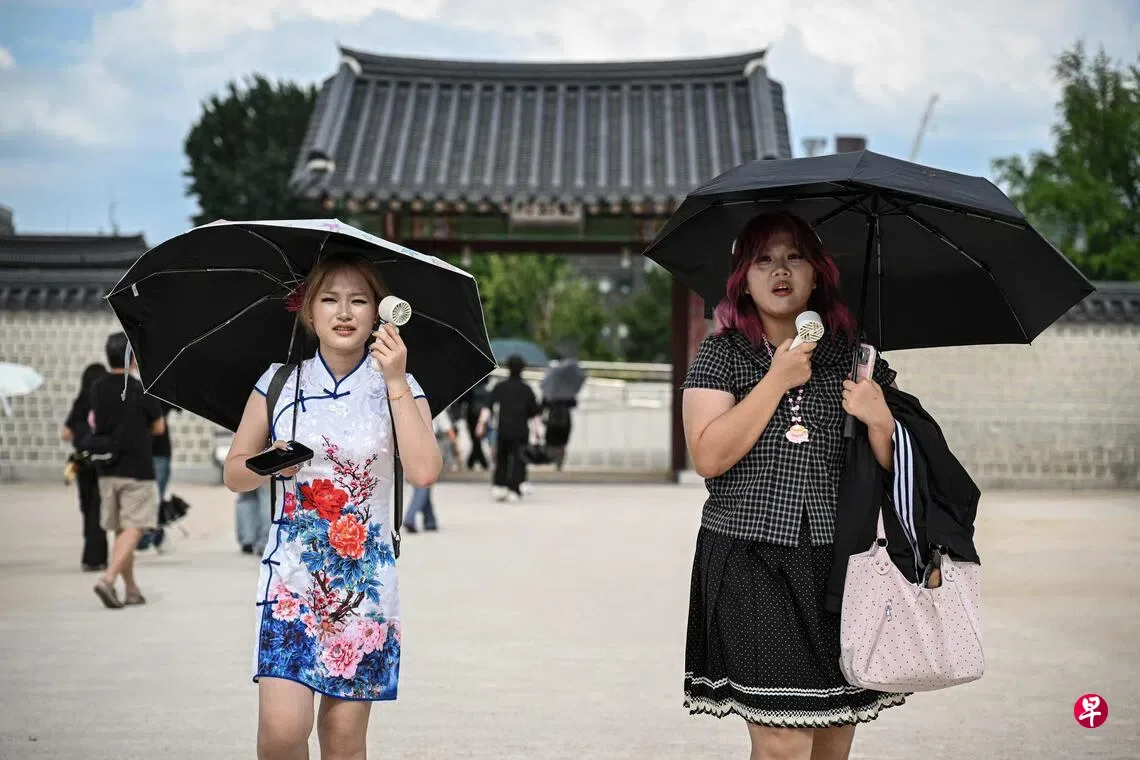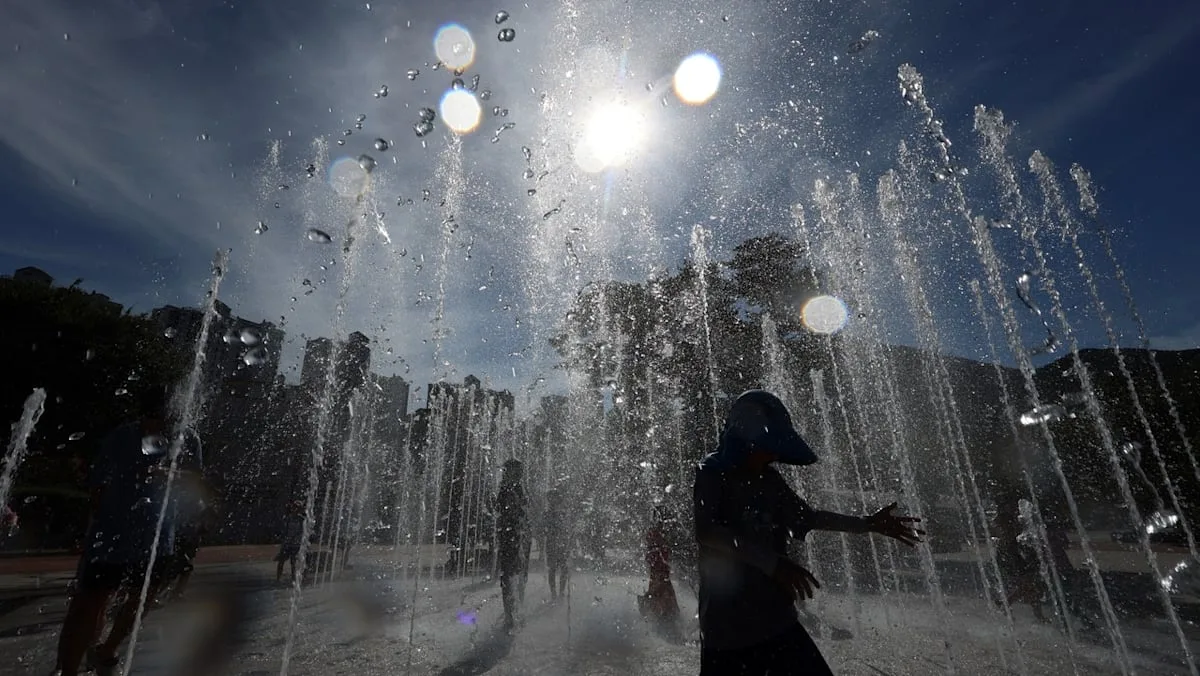
The city of Yangsan reached a new national temperature record of 41.4 degrees Celsius on July 31, surpassing the previous high of 41.0 degrees set in August 2018 in Hongcheon [1, 2]. This marks the highest temperature recorded in South Korea since automated weather observations began in 1973. A Korea Meteorological Administration (KMA) spokesman said, "KMA data records using the ASOS observing system began in 1973, and the 41.4 degrees measured in Yangsan is the highest temperature observed in our records since then" [1].
Yangsan has experienced temperatures above 40 degrees Celsius for three consecutive days starting July 29, when it reached 40.3°C, also a local record. On the same day, neighboring Busan recorded 38.8°C, marking record highs for that city as well [3, 1, 2]. Other parts of South Gyeongsang Province, including Gimhae, Uiryeong-gun, Changwon, and Jinju, also recorded their highest daytime temperatures since weather observations began [2].
The Korea Meteorological Administration attributes the intense heatwave to the combined influence of the North Pacific High and Tibetan High pressure systems [1]. These weather patterns have caused extreme heat conditions leading authorities to issue high-level heatwave warnings and advisories across the affected regions [3, 1, 2].
Temperatures exceeding 40°C are forecast to continue at least until next week as the influence of these pressure systems persists [2]. Residents in the region are advised to take precautions against the prolonged heat.
As of July 31, South Korea faces its highest recorded temperature in over 50 years of automated data collection, with multiple cities in South Gyeongsang Province experiencing unprecedented heat levels [3, 1, 2].