South Korea's local elections on June 3 faced major disruptions due to ballot paper shortages at an estimated 14 to 50 polling stations, causing delays and affecting voter turnout [1, 2, 3, 4]. The National Election Commission (NEC) printed ballots for only 50% to 73% of eligible voters, underestimating turnout partly because of higher early voting rates [2, 3, 5].
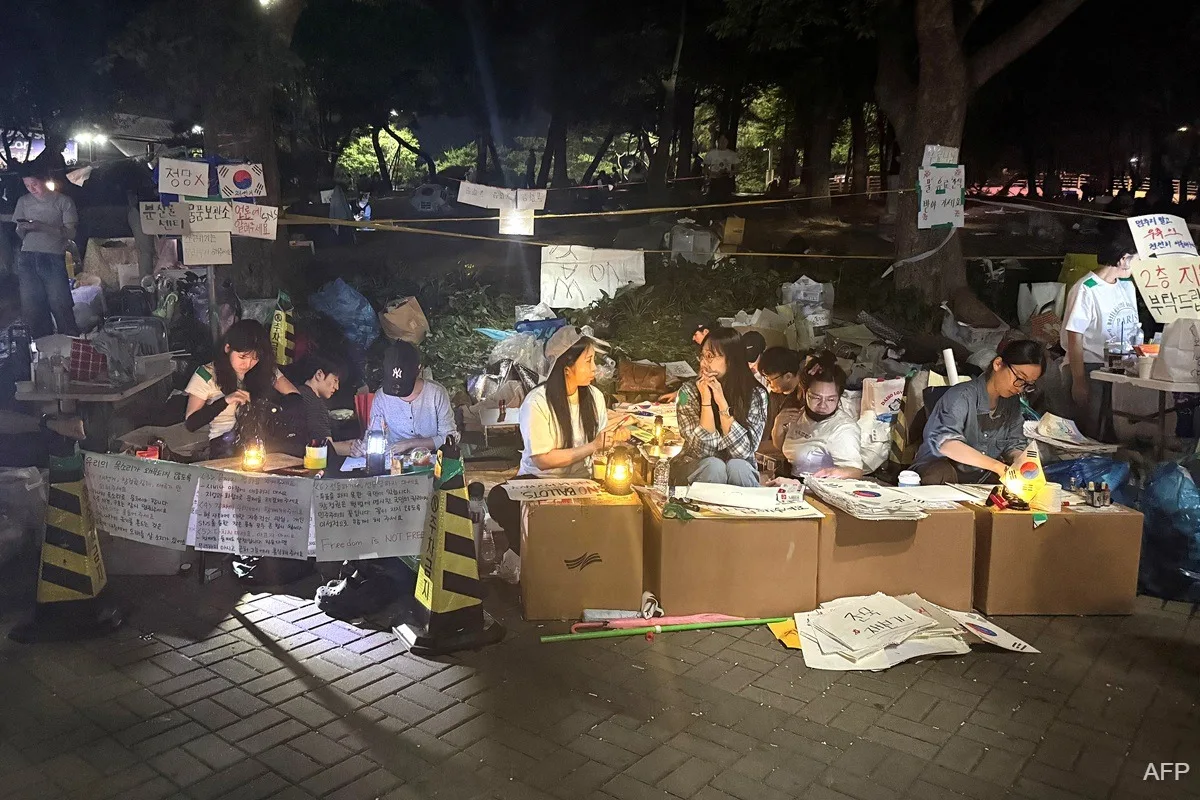
In Seoul’s Jamsil 7-dong neighborhood, about 1,000 protesters began blocking a polling station on June 4, preventing ballot boxes from being removed for roughly 35 hours [1, 6, 4]. Riot police cleared the blockade on June 5, forcibly dispersing protesters and securing about 2,000 ballots for transport to counting centers [1, 6, 4].
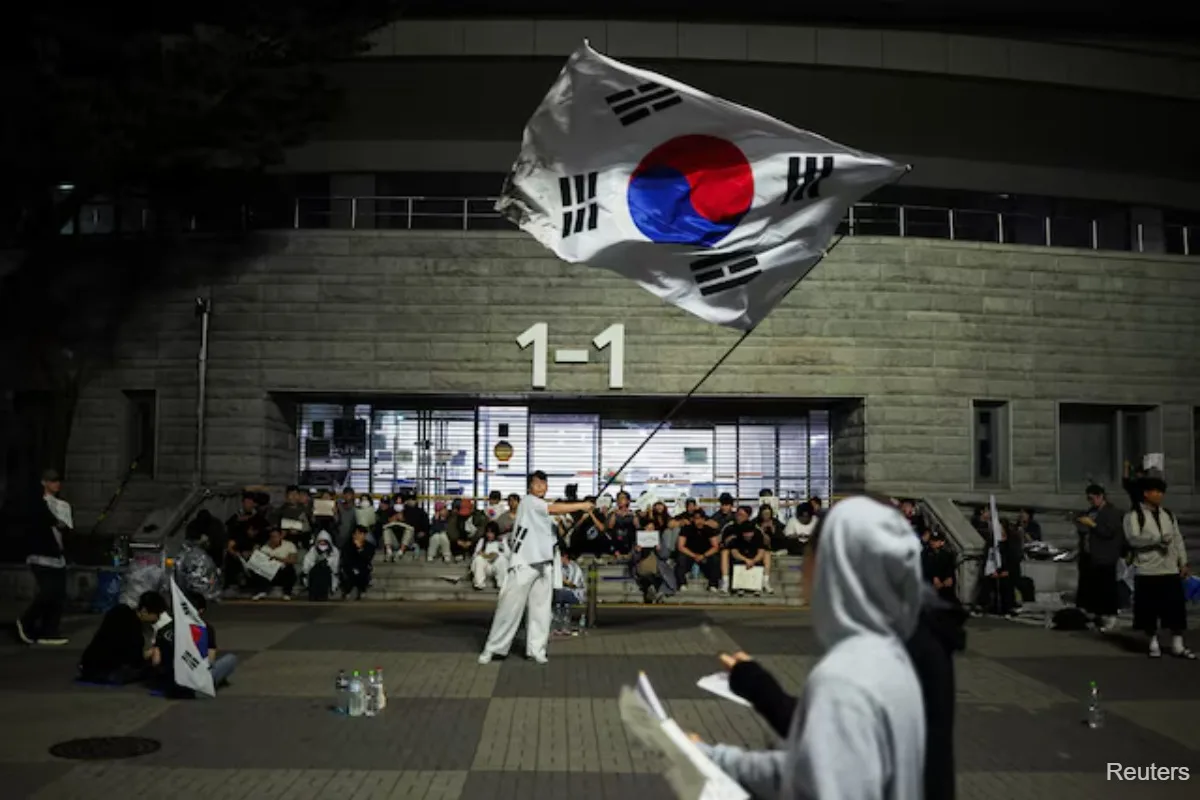
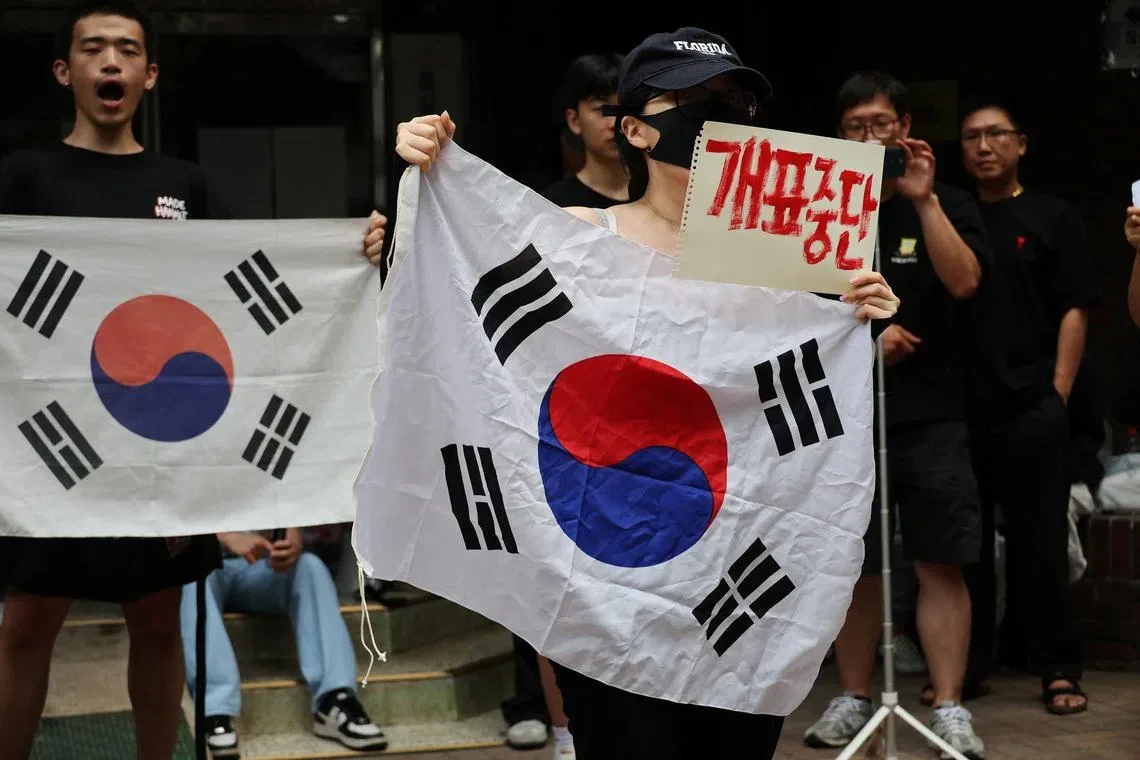
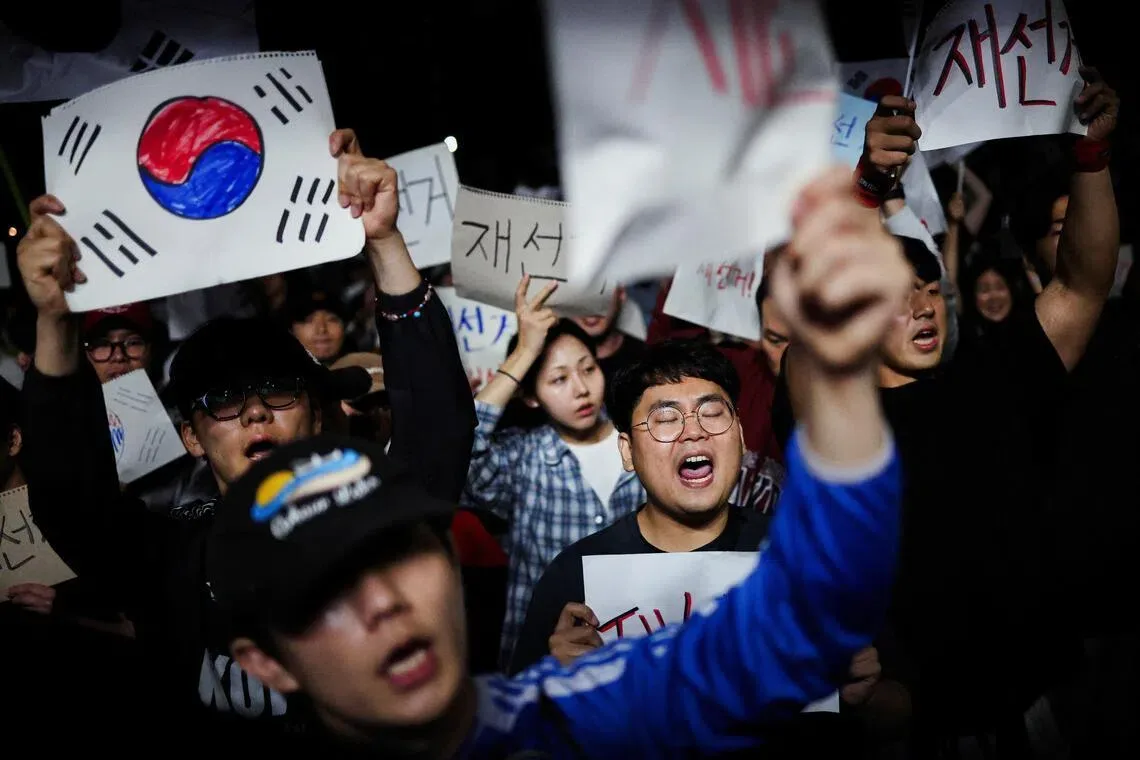
That day, between 6,000 and 10,000 protesters gathered at Seoul’s SK Olympic Handball Stadium demanding a re-run of the elections, citing concerns about election integrity [2, 3]. Protester Seo Jin-hee said, “Regardless of political affiliation, not being able to vote is an infringement on our rights in a free democracy” [3]. Another, Park Soun-wok, added, “The commission’s explanation simply defies common sense... I believe this election must be rerun” [3].
The NEC head, Roh Tae-ak, resigned on June 5 taking responsibility for the mishandling. He said, “There could be no excuse for a failure that had harmed the public and its commitment to the democratic process, and understandably created distrust” [2].
President Lee Jae Myung condemned the ballot shortage as a “flaw difficult to accept” and ordered a thorough investigation involving police and prosecutors [1, 7, 5, 4]. He acknowledged the incident harmed South Korea’s reputation as a model democracy and welcomed public protests demanding accountability, while denying fraud claims [5]. "It was just ridiculous. ... people couldn’t vote because they didn’t have ballot papers. Shocking," Lee said [5]. As president, he expressed “deep regret” over the event [7].
While Lee's ruling Democratic Party won most local races, it failed to win the Seoul mayoral seat [1, 3, 5, 4]. Former president Yoon Suk Yeol, currently jailed and on trial for insurrection, alleged that the NEC ignored security warnings and failed to cooperate with intelligence inspections. His supporters have spread election fraud theories [1, 3, 4].
The NEC and authorities continue their investigation. On June 7, President Lee called for a parliamentary probe into the ballot paper shortage incident [7]. Today's public remarks from Lee emphasize government efforts to restore trust and address the electoral failures [5].