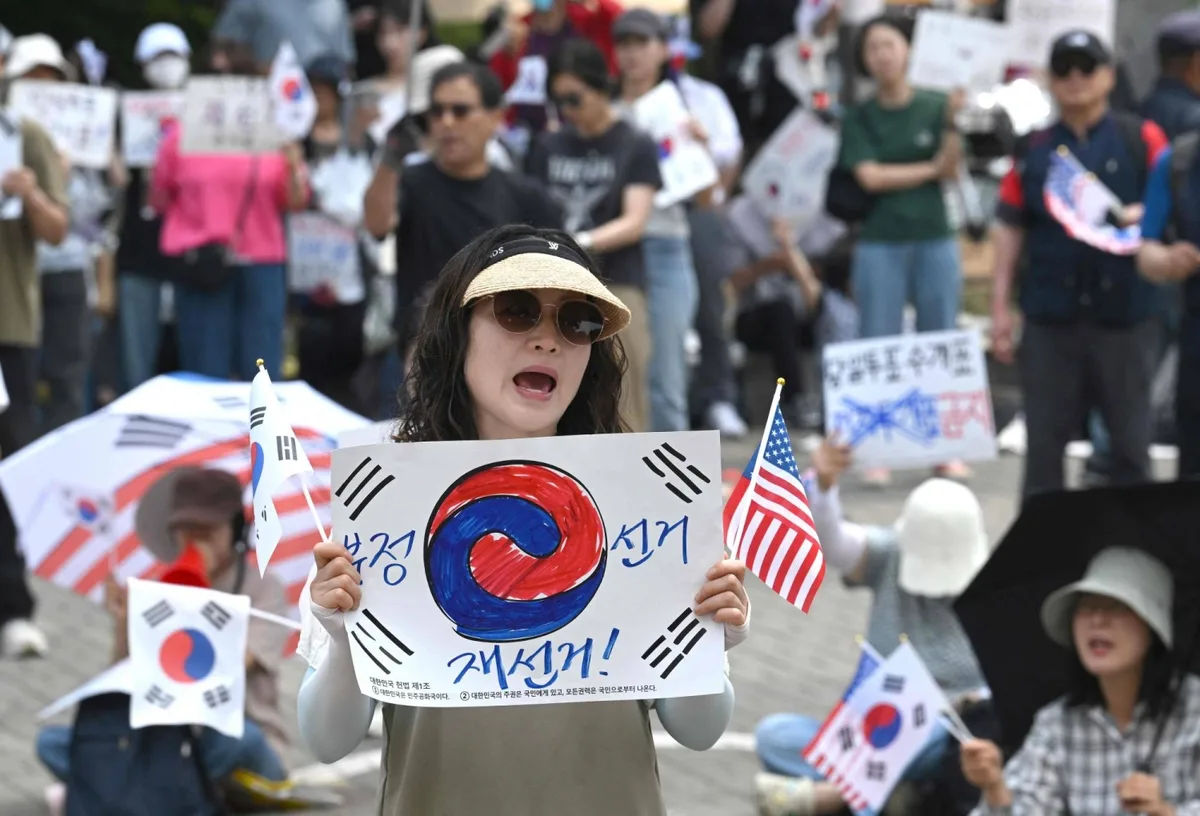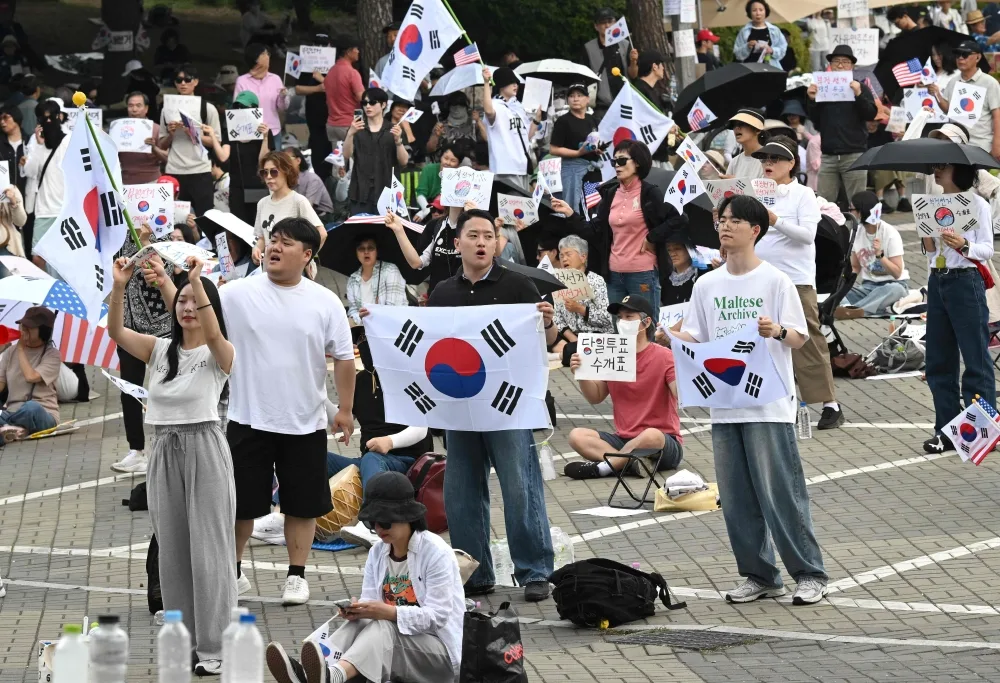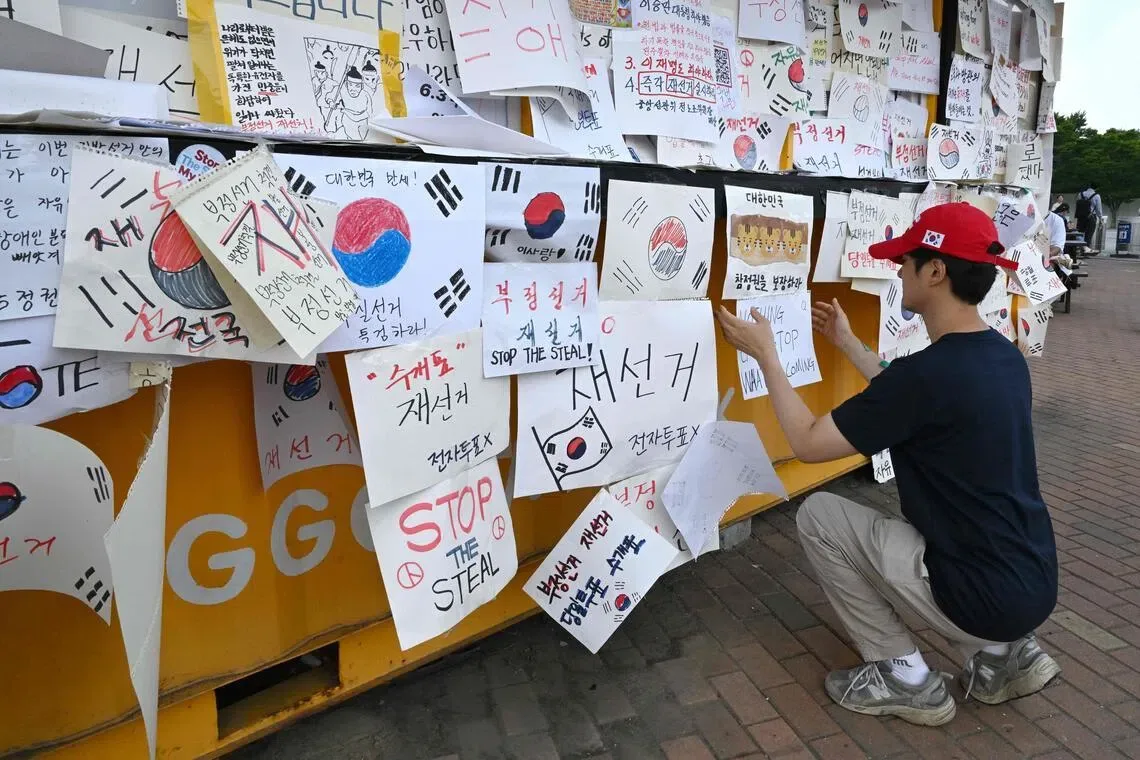
Dozens of polling stations across South Korea ran short of about 7,000 ballot papers on June 3, local election day, causing voters to leave without voting or to cast ballots after counting had begun [1, 2, 3]. Authorities replenished ballot supplies later the same day but the shortage sparked public outrage amid unfounded claims of election tampering [1, 3].
The head of the National Election Commission resigned under pressure following the controversy, though authorities have not agreed to hold new votes despite protests [1, 3]. Student unions at roughly 16 to 18 universities planned nationwide demonstrations on June 10 to condemn the shortage and demand reforms of the election commission [1, 2, 3]. Hwang In-seo of Yonsei University’s student council said, “We are determined to protest because people are universally outraged regardless of political affiliation” [1]. A student group at Seoul National University called the ballot shortage “a serious matter directly related to the right to vote, a cornerstone of our democracy” [2].
The June 3 election was the first nationwide vote since President Lee Jae Myung took office after the ouster of former President Yoon Suk Yeol in late 2024 [1, 3]. Lee’s Democratic Party won most local contests but failed to capture the key Seoul mayoral seat [1, 3].
Ahead of the protests, a Seoul court ordered the preservation of ballot boxes and CCTV footage from stations affected by the shortage for investigation [1, 3]. Prosecutors and police have agreed to form a joint team to investigate the incident [1, 3].
The shortage that day forced some voters to leave without voting while others cast ballots after official counting had started, raising concerns about election integrity [2]. The protests set for June 10 aim to pressure the government for accountability and changes to election management [1, 2, 3].