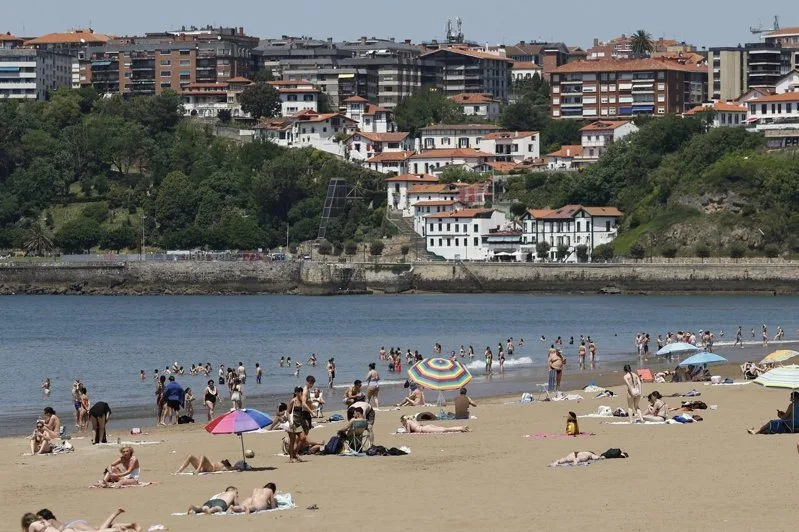
Spain experienced 101 heat-related deaths in May 2026, the highest number for the month since tracking began in 2015 [1, 2, 3, 4, 5, 6, 7]. The Spain Health Ministry said this figure is 3.6 times the average number of heat deaths in May over the last decade, emphasizing the severe health impact of extreme heat even before summer starts [1]. Officials added, "This number is the highest since records began in 2015, and even before summer starts, heat waves are significantly impacting public health" [2].
The late-May heatwave brought record high temperatures to 23 Spanish provinces, with parts of the Mediterranean and Cantabrian seas seeing their warmest May on record, according to the Spanish National Meteorological Agency (AEMET) [3, 4, 5]. AEMET forecast a high chance of above-average temperatures continuing into June, July, and August, especially in northern Spain, the Mediterranean coast, and Balearic Islands [5].
From 2015 to 2025, an estimated 27,564 deaths in Spain were linked to high temperatures [1, 2, 3, 4, 5, 6, 7]. The deadliest year was 2022 when 4,789 heat-related deaths were recorded, followed by 2025 with 3,832 [1, 2, 3, 4, 5, 6, 7]. The Health Ministry warned that mortality risk increases between 9.1% and 10.7% for every degree Celsius temperatures exceed health-risk thresholds [1, 2, 5, 7].
People 75 and older remain the most vulnerable to extreme heat, with young children, pregnant women, and chronic illness patients also at elevated risk, the ministry said [5, 7]. On June 3, Spain's Health Ministry officially announced the May death figures and launched the 2026 national heat prevention plan aimed at reducing illnesses and deaths caused by extreme heat [1, 5, 7].